US Faces Stagflation as Global Order Shifts
The IMF warns of a global stagflationary scenario driven by war and trade fragmentation. The US faces significant risks in its agricultural sector due to trade policies and rising energy costs, while other nations are proactively building economic resilience.

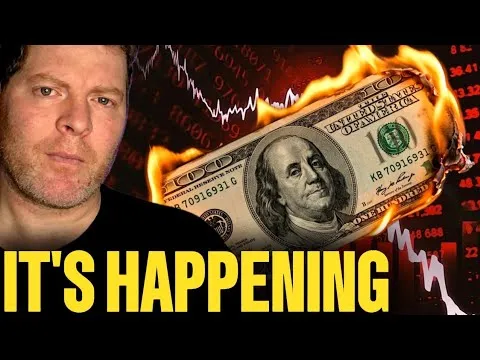
Global Economic Outlook Warns of Stagflationary Risks
The International Monetary Fund (IMF) has released a stark warning about the global economy, detailing an “adverse scenario” that could slash worldwide growth by 2.5% and increase inflation to 5.4%. This outlook is driven by potential war-related energy price spikes and increasing trade friction between nations. The IMF’s analysis suggests a “severe scenario” is even more likely, a possibility that seems to be overlooked by many in the United States.
This warning comes as many countries are nearing the end of receiving oil shipments for a significant period. Even if the United States could immediately fill these tankers, it would take weeks or months for them to reach their destinations and for the fuel to be processed.
In simple terms, the IMF predicts that a period of stagflation – where prices rise but wages stay the same – is on the horizon for both the US and the rest of the world. This could severely impact the working and middle classes.
US Agriculture Caught in Trade and Tariff Trap
A report from Bloomberg highlights how aggressive tariffs and the decoupling of supply chains are trapping the American consumer and economy. These consequences, particularly in agriculture, are becoming unavoidable and difficult to reverse. Even if political leaders change policies or de-escalate international tensions, the impacts on trade and supply chains are expected to last for months, if not years.
The disruption in fertilizer markets, especially for nitrogen, has caused prices to jump by 50%. While many US farmers secured fertilizer before the price hikes, about one-third had to pay these higher costs.
This, combined with the rising cost of fertilizer for crops like corn, is making farming less profitable. Farmers are considering planting fewer acres of corn and switching to crops like soybeans, which require less fertilizer.
Government Policy Exacerbates Agricultural Issues
The shift towards soybeans is partly driven by government policy pushing for more soy-based biofuels. This aims to recreate the economic boom seen with ethanol in the 1990s.
However, the infrastructure to process this increased soy production into biofuels is currently insufficient. The US government is promoting a market for soy that may not physically exist due to these processing limitations.
This situation echoes problems faced in 2025, when a surplus of soy had to be sold. Trade wars and the use of tariffs by the US administration had previously closed off major export markets, especially China, which was the largest buyer of US soy. This left American farmers in a difficult position, with limited options for selling their crops.
China’s Trade Deals and Rising Fuel Costs Impact Exports
China has since made significant trade deals for soybeans with countries like Brazil and Argentina. This further complicates the US agricultural sector’s ability to export its soy. The trade fragmentation mentioned by the IMF is already happening, but it is now compounded by an energy crisis that has increased transportation costs.
These higher fuel costs will be passed on to consumers and reduce the amount of goods the US can export. The American middle class may face shortages and higher prices for corn products, while vast amounts of soybeans could go to waste in fields, with uncertain buyers. This situation is seen as a failure of leadership that neglected the consequences of past policies.
International Responses Contrast with US Inaction
While the US faces these challenges, other nations are actively preparing for the adverse economic scenario predicted by the IMF. Countries like Australia are strengthening trade ties with regional partners to reduce their reliance on Middle Eastern energy. France, in particular, is highlighted as an example of proactive national strategy.
France generates about 70% of its own power and treats its agricultural sector as a matter of national defense. This approach contrasts sharply with the US, which has weakened trade relationships and is experiencing volatile energy prices due to global conflicts. The US has prioritized cheap goods and high corporate profits over national resilience, and the consequences are now apparent.
Stagflation: A Real Threat for Americans
The potential for tariffs on imported produce and goods, combined with a devalued dollar, could effectively mean a 50% increase in consumer prices. This is the reality of stagflation that the United States is now facing. While competent leaders like French President Emmanuel Macron focus on “strategic autonomy” and decoupling from fragile global supply chains, the US is seen as being led by an incompetent administration.
The IMF’s warning and the actions of other nations suggest a significant global economic shift is underway. France’s focus on self-sufficiency and national resilience offers a model that the United States has largely ignored. This has left many Americans unprepared for the economic challenges ahead.
US Exceptionalism and the Need for Global Awareness
There is a prevailing belief in the US that the global economy would collapse without it. However, the world existed before the United States and will continue to exist after it.
Many Western countries have faced and are facing economic crises, yet they adapt and survive. Learning from their experiences is crucial for the US.
The United States must accept that its future prosperity may be less than in the past and adjust accordingly. Studying how nations like Greece managed sovereign debt crises or how people in Turkey cope with hyperinflation can provide valuable lessons. This understanding is essential for navigating the current economic climate.
Preparing for a Less Prosperous Future
The current economic situation in the US, marked by potential stagflation and agricultural disruption, is not an overnight development. It is the result of policy choices that prioritized short-term gains over long-term stability. The IMF’s projections serve as a critical wake-up call, urging a re-evaluation of national economic strategies.
As other nations strengthen their economic defenses and pursue greater self-sufficiency, the US faces a critical juncture. The choices made today will determine the resilience of the American economy and the well-being of its citizens in the face of global economic uncertainty. The focus must shift from abstract political debates to concrete actions that build a more stable and secure economic future.
Source: The IMF Just Modeled US Collapse (And America Isn’t Ready) (YouTube)

Related Articles

EV Dream Falters: Billions at Risk, Factories Canceled
Over $200 billion invested in US EV factories faces jeopardy as demand falters and automakers cancel plans. Significant financial losses are now projected, marking a major shift in the auto industry's electric future.

Trump’s TV Rant Reveals His Own Standards
Donald Trump's recent TV interview revealed a pattern of complaining about issues based on standards he himself set. From war timelines to tariff implications, his criticisms often contradict his past actions and statements. This analysis explores the self-imposed expectations that fuel his public commentary.

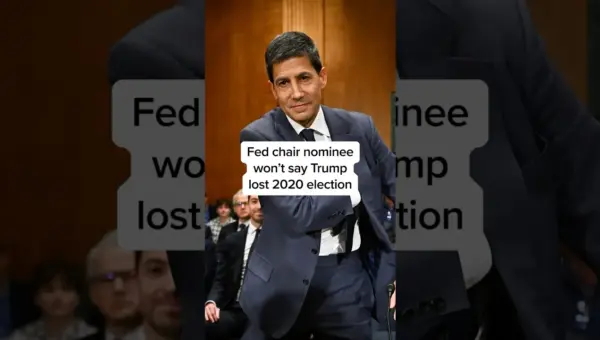
Fed Nominee Dodges Trump Election Question, Sparks Concern
Kevin Warsh, nominated by former President Trump for the Federal Reserve, has drawn criticism for refusing to state if he believes the 2020 election was legitimate. Critics argue this hesitation raises serious concerns about his judgment and the independence required for a key economic role. His response has cast doubt on his suitability for the central bank's leadership.