Nissan Rogue Hybrid Dives Deep Into Series Hybrid Tech
Nissan's upcoming Rogue e-Power introduces a unique series hybrid system where the gasoline engine exclusively generates electricity for the electric motors. This innovative approach promises enhanced city fuel economy and an EV-like driving experience without the need for plugging in. The vehicle is set to launch in the U.S. by year-end.

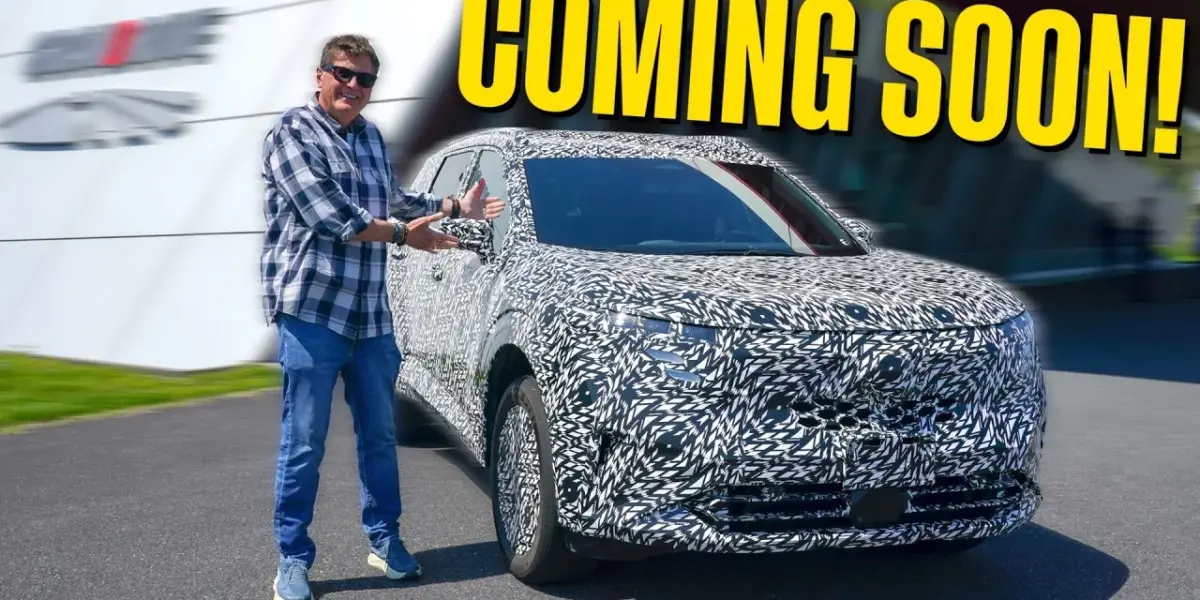
Nissan Unveils Innovative Rogue Hybrid with Series Hybrid Powertrain
Nissan is pushing the boundaries of hybrid technology with its upcoming Rogue e-Power, a vehicle that moves away from traditional hybrid setups. Instead of an electric motor working alongside a gas engine, the Rogue e-Power uses its gasoline engine solely to generate electricity.
This electricity then powers an electric motor that drives the wheels, much like an electric car. Nissan claims this series hybrid system offers about 20% better fuel economy in the city compared to the standard Rogue.
This unique approach sets the Rogue e-Power apart from competitors like the Honda CR-V Hybrid and Toyota RAV4 Hybrid, which use parallel hybrid systems. The standard Nissan Rogue is already a strong seller, making this new hybrid version a crucial addition to the lineup. Nissan plans to offer both the traditional gasoline Rogue and the e-Power hybrid, giving buyers a choice rather than forcing a full switch to hybrid powertrains.
A Different Kind of Hybrid Driving Experience
During an exclusive test drive event near Yokohama, Japan, journalists experienced the distinct feel of the Rogue’s series hybrid system. Unlike conventional hybrids, the gasoline engine in the e-Power model does not directly connect to the wheels.
Instead, it acts as a generator, charging a small 2.1 kWh battery. This battery then supplies power to the electric motors that propel the vehicle.
This setup means the gasoline engine can operate at its most efficient speed, regardless of how fast the car is going. The driving experience is designed to mimic that of a pure electric vehicle, offering smooth, quiet acceleration and the convenience of one-pedal driving through the e-Pedal system. Nissan aims to provide the benefits of electric driving, like instant torque and quiet operation, without the need for plugging in.
Performance and Driving Dynamics
The test drive revealed a remarkably quiet and smooth ride, feeling more substantial than the standard Rogue. While specific horsepower and torque figures for the hybrid model are not yet released, the electric drive system is expected to deliver strong, immediate torque. Early impressions suggest a responsive feel, though some slight lag was noted before full power was delivered during acceleration, possibly due to the turbocharger on the 1.5-liter three-cylinder engine needing to spool up.
The handling on a test track showed good body control, with the hybrid feeling slightly more planted, likely due to the added weight of the battery. Braking also felt different, with a blended system of regenerative braking and traditional friction brakes.
The e-Pedal allows for significant deceleration when lifting off the accelerator, recapturing energy for the battery. However, some drivers might desire more aggressive regenerative braking or adjustable settings for this feature.
Interior and Technology
While the exterior of the prototype Rogue e-Power was camouflaged, the interior is expected to align with the current Rogue’s comfortable and modern design. The e-Pedal system, first seen in the Nissan Leaf, allows drivers to accelerate and decelerate using mostly just the accelerator pedal. This regenerative braking system helps extend range and reduces wear on traditional brakes, though the blending of regenerative and friction braking can take some getting used to.
The small battery size means the gasoline engine is always ready to generate power when needed, eliminating range anxiety typically associated with pure electric vehicles. This series hybrid setup essentially turns the Rogue into a gasoline-powered electric car, offering a bridge for consumers not yet ready for full electrification.
Value and Target Buyer
Nissan has not yet released pricing or official fuel economy numbers for the Rogue e-Power. However, the system is anticipated to offer a noticeable improvement in city fuel efficiency over the standard Rogue.
The target buyer is likely someone who wants the benefits of an electric vehicle—smoothness, quietness, and instant torque—but prefers the convenience of refueling at a gas station and avoids the need to charge. It’s also for those who may not have easy access to charging infrastructure or are hesitant about the range limitations of pure EVs.
The decision to offer both a traditional gasoline engine and a series hybrid option provides flexibility. This strategy acknowledges that different buyers have different needs and comfort levels with new technologies. The Rogue e-Power aims to capture buyers looking for a fuel-efficient, comfortable compact SUV that feels modern and technologically advanced without the full commitment of a plug-in electric vehicle.
Verdict: A Bold Step Forward
The Nissan Rogue e-Power represents a significant innovation in the hybrid market. By using a series hybrid system, Nissan offers a driving experience that closely mimics an EV while retaining the convenience of gasoline power. This approach could appeal to a broad audience seeking improved fuel economy and a refined ride without the complexities of charging.
While specific performance figures and pricing are still under wraps, the promise of better city MPG and an engaging, quiet drive makes the Rogue e-Power a compelling prospect. Nissan expects the new Rogue hybrid to go on sale in the U.S. before the end of the year, potentially offering a unique option in the highly competitive compact SUV segment.
Source: I Test Drive the New 2027 Rogue Hybrid Before You’re Supposed To Even See It! (YouTube)

Related Articles

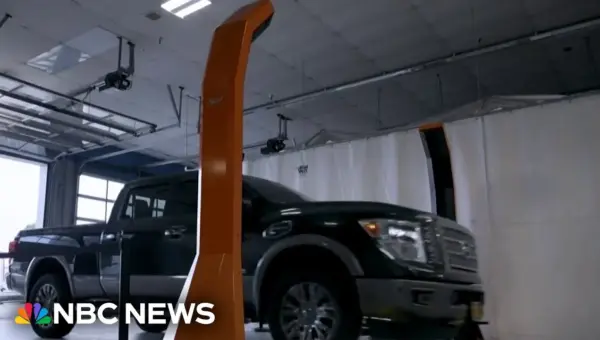
Viper System Scans Cars Like an MRI for Hidden Flaws
A new system called Viper is transforming car inspections, acting like an MRI to find hidden flaws. By scanning thousands of data points in seconds, it reveals issues like oil leaks and tire wear, ensuring transparency in car sales and trade-ins. This technology aims to make the car buying process more honest and less stressful for everyone.

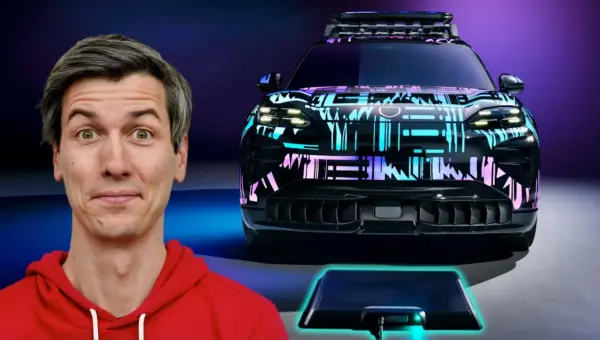
Porsche’s Wireless Charging: No Longer a Gimmick
Porsche's new Cayenne Electric redefines electric car charging with its highly efficient wireless system. Achieving up to 92% efficiency and operating faster than some wired chargers, it offers unmatched convenience and performance.
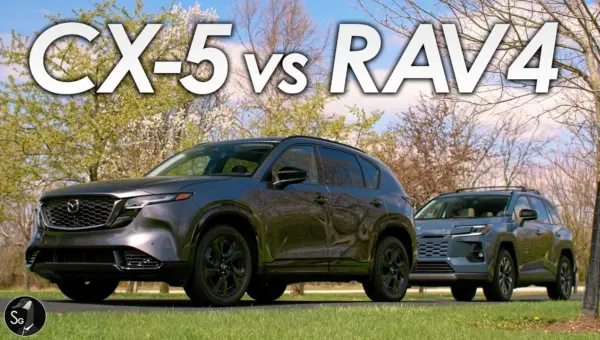
Toyota RAV4 Hybrid Dominates Mazda CX-5 in SUV Showdown
The 2026 Toyota RAV4 Hybrid proves its dominance over the Mazda CX-5, offering superior fuel economy, standard hybrid power, and better everyday practicality. While the CX-5 drives sportier, the RAV4 wins on value and long-term ownership.