DHS Faces Funding Crisis as Lawmaker Blasts Democrats
Homeland Security faces a potential funding crisis, with warnings of unpaid employee salaries by May due to depleted emergency funds. A lawmaker criticized Democrats for a bill that would zero out funding for border patrol and ICE, highlighting national security risks. Meanwhile, a deal to keep two Pennsylvania coal plants open signals a focus on balancing energy needs with environmental standards.


Homeland Security at Risk: Funding Cliff Looms
The Department of Homeland Security (DHS) is facing a severe funding shortage, with Secretary Markwayne Mullen warning that employee salaries may not be paid starting in May. This critical funding gap stems from the exhaustion of emergency funds, originally accessed through an executive order by President Trump. Mullen stated that the department’s bi-weekly payroll alone amounts to $1.6 billion, highlighting the rapid depletion of available resources.
Representative Dan Meuser voiced strong criticism, highlighting that the DHS is currently not financed and that national security is consequently at risk. He argued that Democrats have prolonged a shutdown of the Department of Homeland Security for 67 days. Meuser also pointed to the Biden administration’s handling of immigration, citing the entry of 16 million individuals, many of whom are undocumented and some with criminal records.
Political Standoff Over Border Security Funding
Meuser explained that Democrats proposed a bill that would eliminate funding for Customs and Border Patrol and Immigration and Customs Enforcement. Republicans are seeking to pass their own funding measure, but require a reconciliation process to counter the Democratic bill. This legislative maneuver aims to ensure that essential agencies within DHS receive necessary financial support.
He stressed that the only viable path forward involves Republicans securing a majority in both the House and the Senate. The goal is to pass legislation that adequately funds the department and addresses border security concerns. This approach would bypass potential roadblocks created by the Democratic proposal.
Coal Plant Deal Signals Shift in Energy Policy
In a separate development, President Trump brokered a deal with Pennsylvania Governor Josh Shapiro to keep two coal plants operational, preventing their closure in 2028. This agreement is seen as a significant victory for the state’s energy sector, though it may face opposition from environmental advocates.
Meuser clarified that the deal requires these coal plants to meet federal standards within a six-month period, not just state requirements. Governor Shapiro chose to cooperate with the White House on this matter. He believes that coal plants can contribute to a healthy environment, especially given modern energy demands and advancements in clean coal technology.
Advancements in Clean Coal Technology
Meuser highlighted the advancements in clean coal technology, noting that since 2010, scrubbers have been implemented to remove 99% of sulfur emissions. He also mentioned plans for reclamation projects and discussions with the Department of Energy and the Department of the Interior regarding new clean coal plants and the management of coal banks and mounds. This initiative aims to balance energy needs with environmental responsibility.
The conversation highlighted the complexity of energy policy and the ongoing debate about the role of fossil fuels. Meuser emphasized that the public may not fully grasp the progress being made in making coal power cleaner and more sustainable. He expressed gratitude for the opportunity to inform the public about these developments.
Market Impact
The immediate market impact centers on the potential disruption to government operations should DHS funding not be resolved. This could affect various sectors reliant on government services and contracts. Uncertainty surrounding border security funding also creates a climate of caution for businesses operating in related industries.
Longer-term, the resolution of the DHS funding dispute will signal the administration’s approach to fiscal responsibility and national security. The success of clean coal initiatives could influence energy markets and investment in traditional power sources. It also points to a potential shift in how environmental regulations are balanced with economic development.
What Investors Should Know
Investors should monitor developments regarding the DHS funding negotiations closely, as a prolonged shutdown could impact government contractors and economic stability. The political dynamics surrounding border security and immigration policy will likely continue to influence market sentiment.
The focus on clean coal technology and plant modernization suggests potential investment opportunities in the energy sector, particularly in companies involved in emissions control and new plant development. Understanding the regulatory landscape and the administration’s energy strategy will be crucial for informed investment decisions.
Source: 'THE PEOPLE ARE OUTRAGED': Lawmaker chides Dems over DHS shutdown (YouTube)

Related Articles
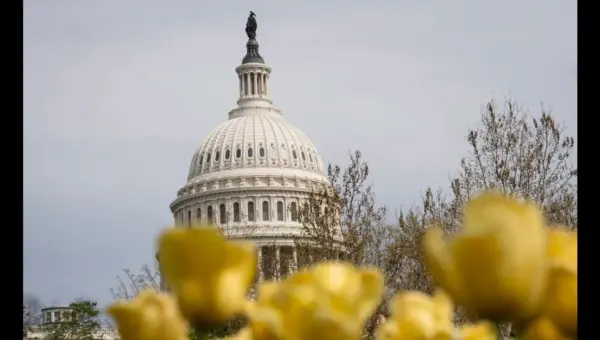
GOP Pushes $70B Border Funding, Sidelines Democrats
Senate Republicans are pushing forward with a $70 billion budget plan for ICE and Border Patrol, using a special process to bypass Democrats. This move highlights deep divisions over immigration policy and funding. The bill's passage could reshape how these agencies are funded and operate.

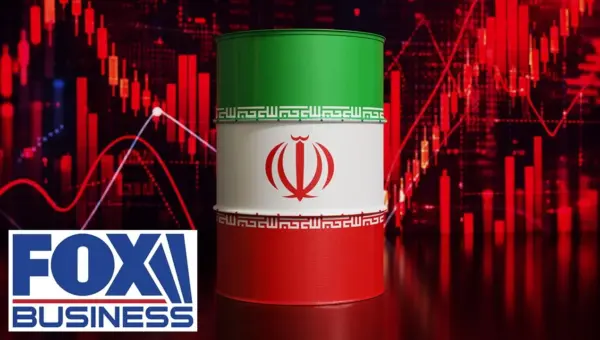
Iran Faces Economic Strain Amid Blockade
Iran is losing an estimated $500 million daily due to ongoing blockades and sanctions, intensifying economic pressure. Meanwhile, the U.S. Congress is set for a marathon voting session to address critical funding for the Department of Homeland Security. Lawmakers are also introducing measures to combat government fraud, aiming to save taxpayers billions.

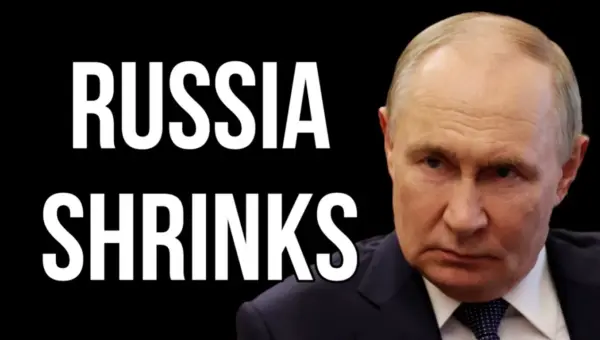
Russia’s Economy Shrinks 1.8% Amidst Sanctions
Russia's economy contracted by 1.8% in early 2026, driven by falling energy revenues and the impact of sanctions. While temporary oil waivers offer short-term relief, underlying structural issues in the energy sector and a widening budget deficit point to a challenging economic outlook for the country.