EV Dream Falters: Billions at Risk, Factories Canceled
Over $200 billion invested in US EV factories faces jeopardy as demand falters and automakers cancel plans. Significant financial losses are now projected, marking a major shift in the auto industry's electric future.

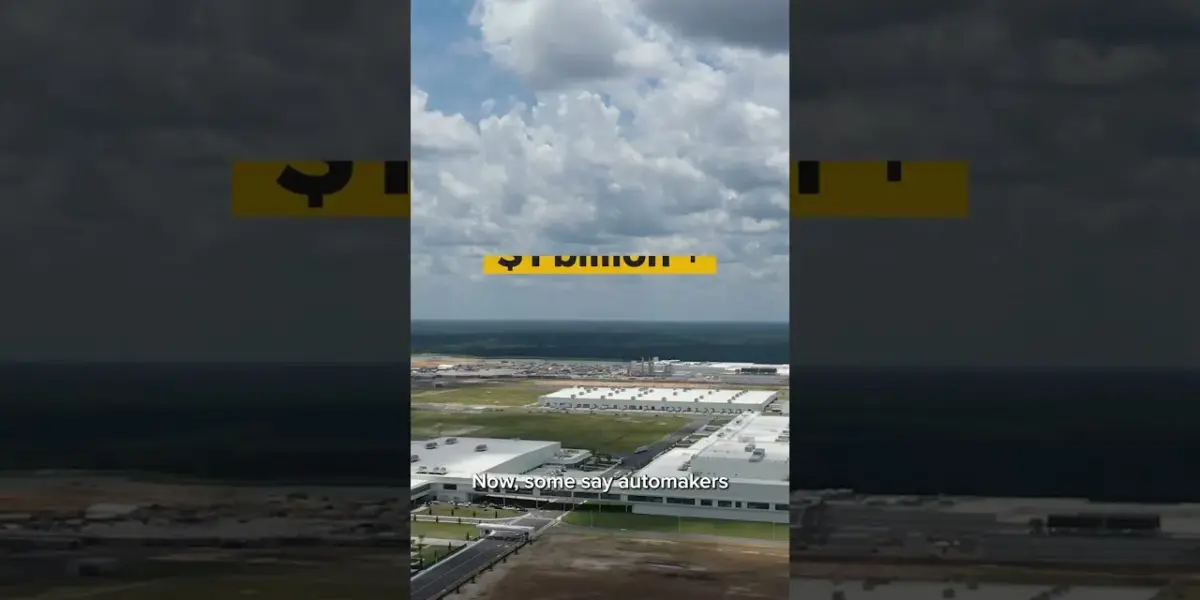
US EV Investment in Jeopardy as Demand Slows
More than $200 billion has been invested in American electric vehicle (EV) manufacturing through 2024, much of it in Southern states. However, these significant investments are now in serious doubt. Automakers are canceling factory plans, reducing production, letting workers go, and even returning to making gasoline-powered cars.
The federal government’s support for EVs is also weakening. Funding has been cut, and there are plans to ease emission rules.
This shift in policy and market conditions has led some experts to predict that automakers could lose over $100 billion on their US EV ventures. This situation is unlike anything seen before in the auto industry.
Demand Falls Short of Expectations
A primary reason for this slowdown is that customer demand for EVs has not met the high expectations set by the industry. While EV sales grew in the first quarter, they saw a sharp decline later in the year. One report indicated a drop of more than 50% in EV sales in the fourth quarter compared to previous periods.
This unexpected drop in demand has caused significant financial strain on the massive investments made in EV production. Companies are now facing the reality of these financial challenges. Some believe this is just a temporary setback, arguing that EVs are the future and will eventually become the norm.
Why EVs Are Still Seen as the Future
Supporters of electric vehicles point to their clear advantages. EVs are generally considered safer and are better for the environment due to zero tailpipe emissions. They also offer superior performance, being faster and providing instant torque for quicker acceleration.
Beyond practicality, many also find EVs to be more appealing. The technology is often seen as cooler and more advanced than traditional cars. These factors suggest that, despite current challenges, the long-term trend for EVs remains positive.
Local Economies Feel the Chill
CNBC recently visited two towns in the South that had become hubs for EV manufacturing to understand the impact on local economies. These communities experienced a surge of excitement and investment when EV factories were planned or built.
The shift away from aggressive EV expansion is now affecting these areas. As factories are scaled back or canceled, local jobs and economic growth are put at risk. The cooling of EV enthusiasm has a direct impact on the communities that had embraced the electric future.
What Investors Should Know
The current situation highlights the risks associated with rapid technological shifts in major industries. While EVs offer long-term potential, the pace of adoption and the associated costs are crucial factors for investors to consider.
The significant capital expenditure by automakers, coupled with falling demand and changing government policies, creates a complex investment environment. Investors need to watch how companies manage these financial pressures and adapt their strategies. The auto industry is clearly in a period of significant transition.
Upcoming reports on quarterly earnings for major automakers will likely provide further insight into how these challenges are affecting company finances. These reports are expected in the coming weeks.
Source: Why the American EV dream is unraveling (YouTube)

Related Articles

EV Surge: High Fuel Costs Spark Global Auto Race
Skyrocketing fuel costs are driving a surge in consumer interest for electric vehicles (EVs) globally. While China dominates production and supply chains, Europe and the US face challenges adapting their industries to this new demand. The global automotive race is on, with significant implications for consumers and national economies.

China Dominates EV Batteries; Rivals Race to Catch Up
China leads the world in electric vehicle battery production, leveraging cost-effective LFP technology and government support. As global rivals race to catch up and secure their own supply chains, innovation in battery chemistry and recycling is becoming crucial for future market competitiveness.


Trump’s TV Rant Reveals His Own Standards
Donald Trump's recent TV interview revealed a pattern of complaining about issues based on standards he himself set. From war timelines to tariff implications, his criticisms often contradict his past actions and statements. This analysis explores the self-imposed expectations that fuel his public commentary.