India Votes: Remote Village Treks 3km to Cast Ballots
Residents of Chuna Bati, a remote Indian village in West Bengal, trekked three kilometers through forests and hills to reach their polling station. The community, lacking paved roads and facing significant challenges in accessing healthcare, hopes their vote will bring much-needed infrastructure development. Their journey underscores the dedication of citizens in isolated areas to participate in democracy.

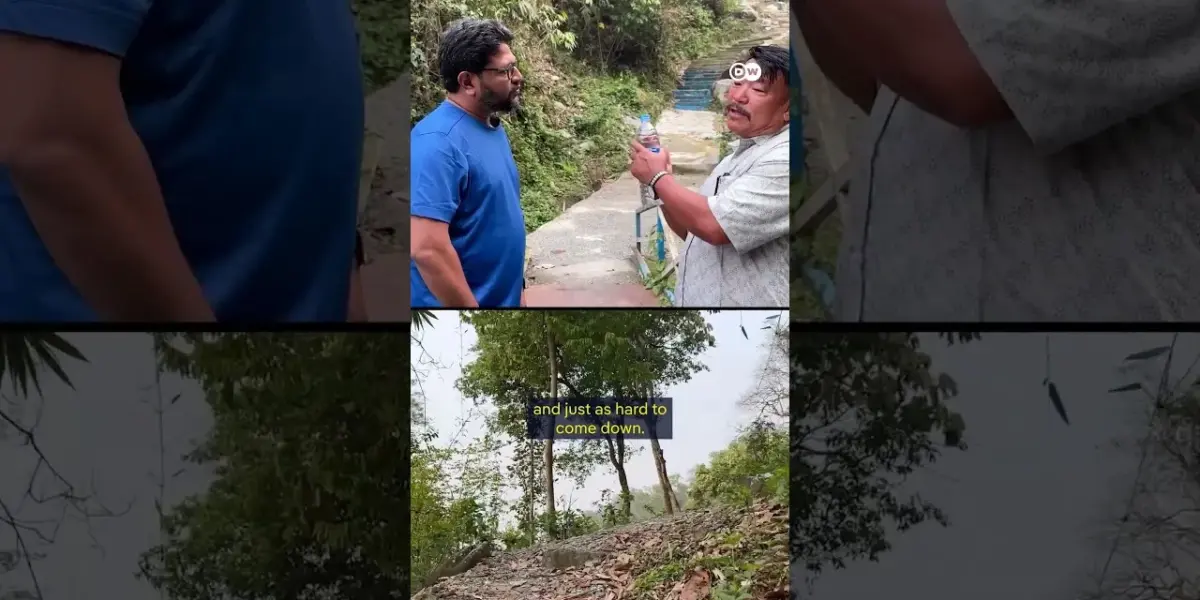
Remote Indian Village Undertakes Grueling Trek to Vote
In the remote hills of West Bengal, residents of Chuna Bati village faced a challenging journey to participate in India’s democratic process. This isolated community, nestled at the foothills of the Eastern Himalayas, is home to one of the region’s most distant polling stations.
To cast their votes, villagers must undertake a demanding three-kilometer trek, navigating dense forests and steep inclines. The arduous journey highlights the commitment of these citizens to their right to vote, even amidst significant geographical obstacles.
A Community Cut Off from Modern Infrastructure
Chuna Bati has a history of isolation, with its origins tracing back to the 19th century when missionaries first arrived. They established a school and a church, providing education to many residents. However, the village has remained largely cut off from modern development for decades.
There is still no paved road connecting Chuna Bati to the outside world. For years, locals have appealed to authorities for help in building essential infrastructure, but their pleas have gone unanswered. This lack of access creates significant hardships for the community.
Health Emergencies Highlight Infrastructure Needs
“If someone falls ill at night, it’s incredibly difficult. If a patient needs to be taken out at 2:00 AM, they often don’t survive the journey,” a villager explained, expressing the frustration and fear that accompanies medical emergencies. “What can we do?”
The absence of proper roads poses a severe threat to the health and well-being of Chuna Bati’s residents. Transporting sick or injured individuals becomes a life-threatening ordeal, especially during nighttime or emergencies.
The lack of timely medical attention due to impassable terrain has led to tragic outcomes, leaving the community feeling helpless and unheard. This situation highlights the urgent need for basic infrastructure development.
Villagers Take Matters Into Their Own Hands
Despite the persistent lack of government support, the people of Chuna Bati have shown remarkable resilience and determination. They are actively working to carve out a road through the hills themselves.
This self-help initiative demonstrates their strong desire for connection and access to essential services. It is proof of their spirit in the face of ongoing neglect, as they strive to improve their living conditions.
Hope for a Better Future Through the Ballot Box
The upcoming elections represent a beacon of hope for the villagers. They are ready to cast their votes, believing that a new government might finally address their long-standing demands. Their primary hope is for the construction of the much-delayed road, which would transform their lives.
This vote is not just a civic duty for them; it’s an act of faith that their voices will be heard and their needs met. The election offers a chance for change and a pathway to overcoming their isolation.
Looking Ahead: The Road to Representation
As India’s general election progresses, the focus remains on communities like Chuna Bati, whose participation highlights the vast disparities in development across the nation. The outcome of this election will determine if the promises of progress reach even the most remote corners of the country. The commitment shown by Chuna Bati’s residents in trekking to vote is a powerful reminder of the importance of ensuring all citizens have access to basic infrastructure and services, regardless of their location.
Source: India: It's a three-hour trek to this remote polling station | DW News (YouTube)

Related Articles

US Must Rebuild Government Power to Meet Future Challenges
The United States must rebuild its government's capacity to build essential projects like housing and infrastructure. This effort is crucial to address affordability crises and counter the perception of government ineffectiveness. A focus on a positive agenda, rather than just criticism, is needed for the nation's future.

US Air Traffic Control Gets a Tech Makeover
America's air traffic control system, reliant on 1960s technology, is undergoing a massive overhaul. The DOT and FAA are working with industry partners to build a modern, safe, and efficient system, aiming for completion by 2028. This ambitious project promises to replace outdated equipment with advanced technology, creating jobs and improving air travel.


Air Traffic Control Gets a Tech Upgrade for Safety
Transportation Secretary Sean Duffy is pushing to modernize the U.S. air traffic control system using new technology like AI. This effort aims to improve safety and capacity, especially after recent incidents highlighted the system's aging infrastructure. The plan includes software upgrades, new hardware, and hiring more controllers, but faces significant funding challenges.