Iran Crisis Sparks Oil Fears, Gas Prices Hit $4
Tensions with Iran are driving oil prices near $91 per barrel and gasoline to $4 a gallon, creating an "energy apocalypse." A dual strategy of economic blockade and military restraint aims to pressure Iran into negotiations over its nuclear program. Despite the turmoil, U.S. equity markets show resilience, and American energy exports are at an all-time high.

Iran Crisis Sparks Oil Fears, Gas Prices Hit $4
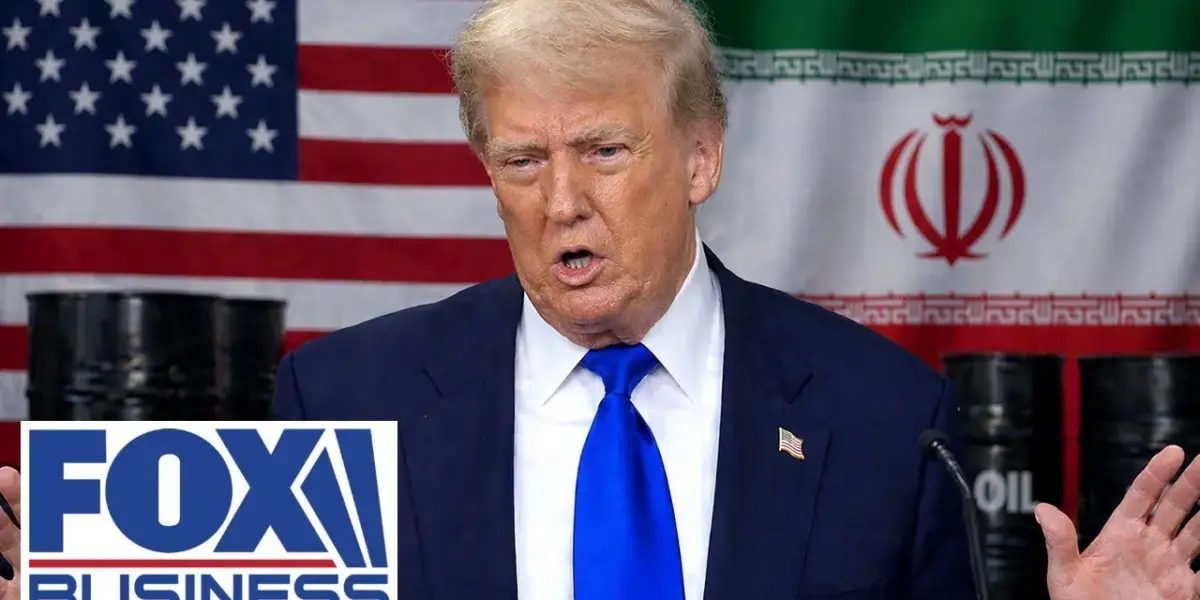
The ongoing tensions with Iran are creating significant fears in the global oil market. West Texas Intermediate crude oil is trading around $91 per barrel. Meanwhile, the national average for a gallon of gasoline is hovering near $4.02, a level one commentator described as an “energy apocalypse.” This situation is impacting families across the country, with some suggesting the high energy prices are linked to a climate agenda.
Dual Track Strategy Unfolds
President Trump has extended a cease-fire with Iran but made it clear this is not a sign of backing down. The economic blockade against Iran remains firmly in place.
The Treasury Secretary stated that Iran’s oil storage facilities are nearing full capacity, a critical point that could force them to shut down oil production. This strategy aims to cut off Tehran’s revenue and limit its options.
Strait of Hormuz Flashpoint
The Strait of Hormuz has become a key area of conflict. Iran has attacked three ships in the vital waterway, highlighting a power struggle playing out in real time.
The economic pressure on Iran is substantial, with estimates suggesting the country is losing nearly half a billion dollars per day in revenue due to the blockade. This financial strain is pushing Iran towards negotiations.
Iran’s Internal Divisions
Negotiations with Iran appear complex due to internal divisions within the regime. While some leaders may be open to a deal, other factions may resist.
Key demands from the President include Iran surrendering its nuclear weapons program, providing enriched uranium, and allowing inspections. These demands present a significant challenge for Iran to overcome.
Market Resilience Amidst Uncertainty
Despite the geopolitical turmoil, equity markets have shown remarkable resilience. After a significant reset in March, markets have recovered strongly.
This strength suggests that the underlying fundamentals remain intact, supported by a robust earnings season. Many companies are now re-evaluating their supply chains, considering options like nearshoring or re-shoring to reduce dependence on volatile regions.
Long-Term Implications for Supply Chains
The ongoing events in the Middle East are prompting companies to rethink their global supply chain strategies. The disruptions experienced during the COVID-19 pandemic and current geopolitical tensions are pushing businesses to build more resilient operations. This could lead to a long-term shift in how goods are produced and transported, potentially accelerating trends like industrial reshoring.
Bond Market Watch
An upcoming 20-year bond auction is also on investors’ radar. The 10-year Treasury yield is currently around 4.30%.
While the 20-year bond is less frequently traded, its auction results will provide insights into demand. The previous 20-year auction in March saw a yield of approximately 4.88%, indicating yields have only risen about 20 basis points since then.
Betting on American Energy
Experts believe the current situation will accelerate reshoring and an industrial renaissance in the United States. The blockade strategy is seen as a brilliant move, effectively putting Iran in a corner.
With Iran losing significant revenue and facing internal protests, time is on the side of the U.S. and its allies. U.S. oil production is also up, allowing the nation to better withstand supply disruptions compared to Iran.
Export Strength and Demand
American energy exports are at an all-time high, with nearly 8.1 million barrels per day being shipped out. This includes significant volumes of gasoline and distillates.
Despite high prices, there has been no sign of demand destruction in the U.S. gasoline market. This indicates the resilience of American households, who, while disliking high prices, can still afford to spend on other goods and services.
Market Impact
The dual strategy of military restraint and economic pressure on Iran is designed to force concessions. The blockade’s effectiveness is evident in Iran’s daily revenue loss, estimated at nearly half a billion dollars. This sustained pressure aims to bring Iran to the negotiating table with specific demands regarding its nuclear program.
What Investors Should Know
Investors are watching how these geopolitical events impact energy prices and global supply chains. The resilience of equity markets suggests a belief that the U.S. can manage these tensions.
The focus on domestic energy production and potential reshoring trends could present long-term opportunities. The upcoming bond auction will also provide a snapshot of broader market sentiment and demand for U.S. debt.
Source: 'ENERGY APOCALYPSE': Iran CRISIS deepens, Trump blockade fuels oil fears (YouTube)

Related Articles


Trump’s Iran Standoff: A Risky Game of Brinkmanship
Critics argue Donald Trump's strategy with Iran relies on risky brinkmanship without clear fallback plans, drawing parallels to past conflicts. His administration's approach seems to misunderstand Iran's willingness to endure prolonged pressure, while diplomatic efforts are complicated by public statements and conflicting advice. This standoff carries significant global implications for economic stability and international security.


Iran Outmaneuvers Trump, Forcing U.S. Into Strategic Retreat
Professor Robert Pape argues that Donald Trump lacks control in the conflict with Iran, projecting an illusion of power while Iran strategically advances its goals. Iran is not seeking a face-saving exit for Trump but aims to inflict economic damage and establish itself as a major world power.

Trump’s Iran Cease-Fire Extension: Genius Move or Political Paralysis?
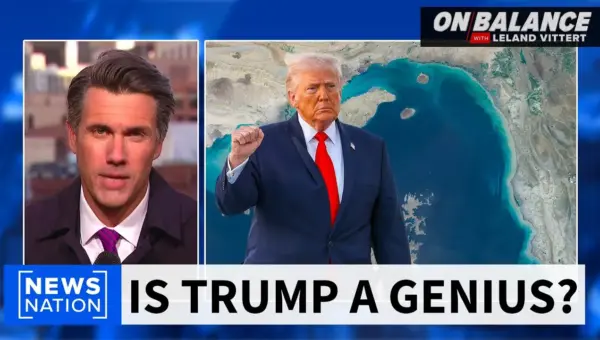
President Trump's decision to unilaterally extend a cease-fire with Iran has sparked debate, with two main interpretations: a brilliant strategic move or political paralysis. While Iran dismisses the extension, the U.S. continues its pressure campaign, but its momentum appears to have shifted. The outcome will significantly impact regional stability and Trump's legacy.