Ukraine Faces Tough EU Talks Despite Hungary Shift
Ukraine's Foreign Minister Dmytro Kuleba stated that while Hungary's new leadership is less confrontational, Kyiv should not expect an easy path toward EU membership. The shift offers chances for fair deals but a radical change in Budapest's stance on EU accession is unlikely.

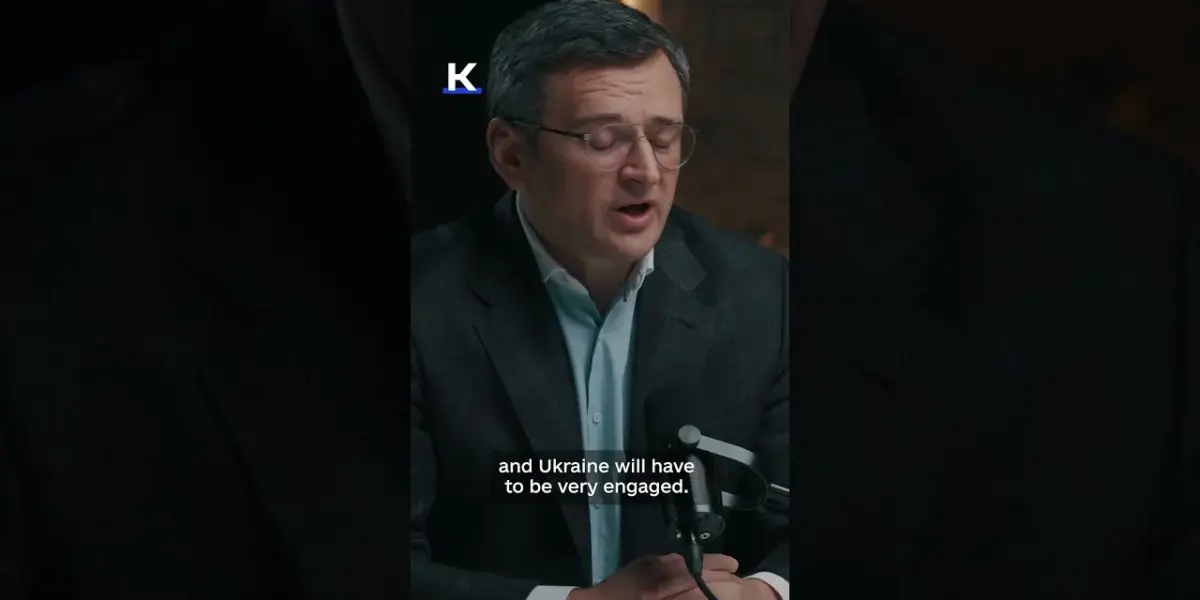
Ukraine Faces Tough EU Talks Despite Hungary Shift
Ukraine’s top diplomat, Dmytro Kuleba, has stated that while Hungary’s new leadership is less confrontational, Kyiv should not expect an easy path toward European Union membership. The shift in Hungary’s approach is seen as an improvement, but fundamental disagreements on key issues are likely to persist.
Kuleba noted a significant difference between the former Hungarian leader, Viktor Orbán, and the current one, framing the new administration as less inclined to ‘demonize’ Ukraine. Both leaders, however, are described as tough negotiators. This means Ukraine will need to be actively involved in discussions and should prepare for challenging interactions.
The new reality in Budapest offers opportunities for more equitable agreements. Kuleba believes this change creates chances for fair deals in the ongoing relationship between Ukraine and Hungary. However, he cautioned against anticipating a complete reversal of Budapest’s long-held position on matters crucial to Ukraine.
EU Accession Remains a Hurdle
The most critical issue for Ukraine remains its accession to the European Union. Kuleba indicated that this process will demand substantial effort from Ukraine’s side. The path to joining the EU is complex and requires meeting numerous criteria and gaining consensus among member states.
While the change in Hungarian rhetoric is a positive development, it is unlikely to fundamentally alter Budapest’s stance on EU enlargement. Ukraine must prepare for continued difficult negotiations regarding its membership bid. The focus will likely remain on securing Ukraine’s strategic goals through persistent diplomatic engagement.
The strategic importance of EU membership for Ukraine is significant. It represents a key pillar of its security and economic future, especially in the context of ongoing regional instability. Securing this pathway requires navigating the political interests of all member states.
Historically, EU accession negotiations are lengthy and demanding processes for any candidate country. Ukraine’s situation is further complicated by its ongoing conflict, which adds layers of security and economic considerations. The willingness of existing members to support expansion is a critical factor.
Strategic Implications
The nuanced shift in Hungary’s position highlights the complex geopolitical dynamics within the European Union. While overt hostility may decrease, the underlying national interests of member states will continue to shape the negotiation process. For Ukraine, this means relying on strong diplomatic efforts to build consensus.
This development also highlights the importance of bilateral relations within the broader EU framework. Ukraine must continue to engage directly with each member state to address specific concerns and build support for its accession. Success will depend on Ukraine’s ability to demonstrate its commitment to EU values and reforms.
The ongoing engagement required by Ukraine mirrors past accession processes where candidate nations had to demonstrate sustained commitment and reform. The emphasis on ‘fair deals’ suggests a potential for progress, but the underlying challenges of political alignment and national priorities remain.
Ukraine’s focus on EU accession is a strategic imperative, aiming to anchor the country firmly within European political and economic structures. This move is seen as a crucial step for long-term stability and development, especially given the current security environment.
The coming months will likely see continued diplomatic exchanges between Kyiv and Budapest, as well as broader discussions within the EU institutions. Ukraine’s ability to secure favorable outcomes will depend on its sustained diplomatic efforts and the evolving political landscape across Europe.
Source: Russia's war won't end soon, Dmytro Kuleba says (YouTube)

Related Articles
Iran Readies ‘New Cards’ Amidst US Sanctions Standoff
Iran is signaling a readiness to escalate its conflict with the U.S. and Israel, agreeing to talks in Pakistan amid demands for sanctions relief. Meanwhile, U.S. President Trump faces scrutiny over his narrative of the conflict, while geopolitical rivals China and Russia appear to benefit from the shifting global dynamics. Ukraine continues its push for financial aid and stronger sanctions against Russia.

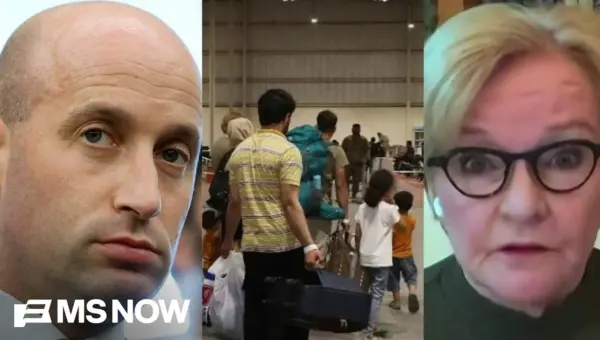
US May Send Afghan Allies to Congo Amid Aid Crisis
The U.S. is reportedly considering sending over 1,100 Afghan allies, who aided U.S. efforts, to the Democratic Republic of Congo. This proposal faces strong criticism from advocates who call it 'immoral' and a betrayal of promises. Meanwhile, Ukraine once suggested naming a territory 'Donny Land' to appeal to President Trump.
Hungary’s New Leader Offers Ukraine Hope
Hungary's recent election of Peter Magyar as opposition leader signals a potential shift in its relationship with Ukraine. While not guaranteeing an easy path, the change offers Ukraine a better chance for constructive dialogue and fairer deals, especially concerning EU accession. The broader EU landscape may also see a reduction in Russian influence.