Iran Outmaneuvers Trump, Forcing U.S. Into Strategic Retreat
Professor Robert Pape argues that Donald Trump lacks control in the conflict with Iran, projecting an illusion of power while Iran strategically advances its goals. Iran is not seeking a face-saving exit for Trump but aims to inflict economic damage and establish itself as a major world power.

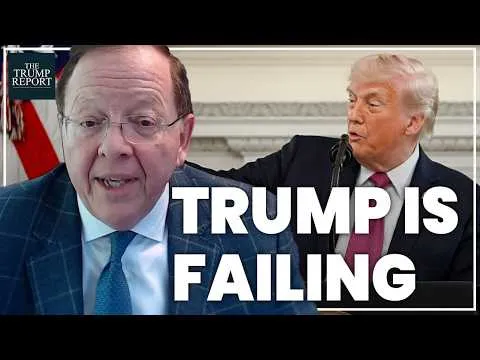
Iran Outmaneuvers Trump, Forcing U.S. Into Strategic Retreat
Donald Trump’s attempts to de-escalate the conflict with Iran are failing, according to Professor Robert Pape, a political science expert from the University of Chicago. Trump appears desperate to escape what Pape calls the “escalation trap,” but his actions show a lack of real control over the situation.
Pape, who has studied military blockades and economic sanctions for decades and advised multiple White Houses, argues that Trump projects an image of control to connect with disengaged voters. However, this strategy doesn’t align with the actual events unfolding on the ground.
Illusion of Control vs. Real-World Actions
While Trump may claim to extend ceasefires or make deals, Iran’s actions, such as seizing ships in the Strait of Hormuz, demonstrate a different reality. Pape stresses that following actions, not rhetoric, is key to understanding the conflict. He points to the consistent presence of U.S. troops in the region over eight weeks as a stark indicator that de-escalation is not happening.
Pape’s analysis of the conflict follows a staged model he predicted before the first bombs fell. Stage one involved bombings and targeted killings, while stage two saw Iran retaliate with horizontal escalation, like seizing ships. The current stage, stage three, involves a “ground power dilemma” – the difficult choices and potential costs associated with deploying more troops.
The core issues are not about misunderstanding; they are about power. Somebody’s going to have to give up power.
Trump’s apparent surprise at the potential number of American casualties in a ground conflict highlights his disconnect from the realities of war. This realization seems to be driving his search for alternative escalation tactics, such as blockades and implicit nuclear threats, as Iran refuses to offer face-saving gestures.
Iran’s Strategic Goals
Iran, according to Pape, is not interested in bailing out Trump or the U.S. economy. Instead, they aim to inflict economic pain on the United States, potentially pushing it back to the economic conditions of the 1970s. They see this as payback for years of U.S. and Israeli military actions against them.
The recent missile parades in Iran, displaying weapons pointed at American cities, serve as a clear signal of their intent. Iran is signaling that they are in control and are prepared to cause harm if provoked further. Their primary focus is on demonstrating their power and control, particularly over the global economy through control of the Strait of Hormuz.
Parsing Trump’s Communication
Pape suggests a way to understand Trump’s public statements by dividing the audience into three groups: the 60% disengaged voters, the 30% who follow news daily, and the 10% who are deeply informed. Trump’s rhetoric often targets the first two groups, creating an illusion of strength and control.
However, a recent post extending the ceasefire, which was unusually subdued, was not aimed at domestic audiences. Pape believes this message was directly targeted at Iranian leaders. The fact that Iran responded by seizing tankers indicates they are reading Trump’s strategy correctly and are not swayed by his attempts at appeasement.
The Zero-Sum Nature of the Conflict
Pape emphasizes that the core issues – Iran’s nuclear enrichment and control of the Strait of Hormuz – are “zero-sum.” This means that one side’s gain is the other’s loss, leaving no room for compromise. These issues are fundamentally about power, and neither side is willing to cede it.
This zero-sum dynamic explains why ceasefires are short-lived and negotiations falter. Even attempts at de-escalation, like the brief truce involving Lebanon, quickly broke down. The conflict is not a misunderstanding that can be solved with dialogue; it is a struggle for dominance.
Future Outlook: A Grinding Conflict
Pape predicts a grinding conflict over the coming months, where Iran will increasingly control the Strait of Hormuz and exert its leverage. This could lead to significant economic downturns in countries like Bahrain, potentially losing 20-30% of their GDP.
The next stage, according to Pape, involves Iran using its growing influence to destabilize and potentially topple the governments of the UAE and Saudi Arabia. These nations are particularly vulnerable and fear U.S. withdrawal, as they see themselves directly in Iran’s sights across the Strait.
The world may cry out about rising gas prices, but these states are talking about power, and power dominates in world politics.
Pape argues that Iran is emerging as a fourth center of world power, with the potential to acquire nuclear weapons within a year. This growing power will inevitably lead to more assertive actions against its neighbors, creating global instability.
A Strategic Defeat
Pape likens the current U.S. actions in the region to the worst strategic defeat since the Vietnam War. He believes that Iran’s goal is not just to survive but to fundamentally alter the global power balance and wreck Donald Trump’s presidency, using the conflict as a tool.
Even if a different U.S. president takes office, the underlying issues of power and Iran’s strategic goals will remain. The current situation is unsustainable, and any U.S. withdrawal would create a power vacuum that Iran would readily fill, accelerating its rise as a major global power.
The conflict is unlikely to end quickly, with Iran strategically using negotiations and military actions to achieve its long-term objectives. The United States, despite its military might, appears to be on a losing track, with its economy serving as the primary chessboard for this global power struggle.
The next crucial period to watch is between now and the U.S. midterm elections, as Iran aims to significantly weaken the Trump presidency. Iran’s strategy is to prevent future attacks by acquiring nuclear weapons and toppling adversarial governments, thereby reshaping the geopolitical landscape.
The situation is far from over, and the path forward suggests increasing Iranian influence and a diminished role for the United States on the global stage, unless a significant shift in strategy occurs.
Source: Trump is ‘behaving like a wimp’ & is begging for a way out | Prof. Robert Pape (YouTube)

Related Articles

Trump’s Gnat-Like Focus Fuels Risky Diplomacy
Donald Trump's use of escalating rhetoric, even admitting it's a tactic to appear unstable, is aimed at pushing nations to negotiations. This approach, driven by a reported boredom with prolonged conflicts and a short attention span, risks international instability.
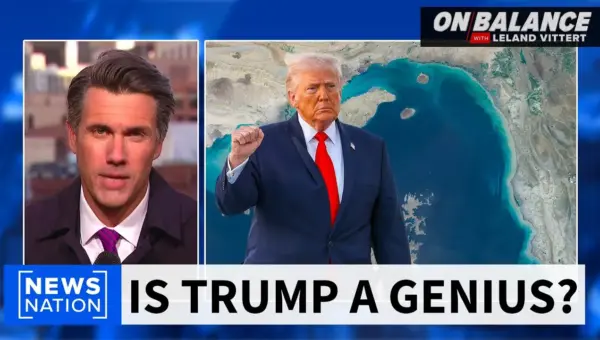
Trump’s Iran Cease-Fire Extension: Genius Move or Political Paralysis?
President Trump's decision to unilaterally extend a cease-fire with Iran has sparked debate, with two main interpretations: a brilliant strategic move or political paralysis. While Iran dismisses the extension, the U.S. continues its pressure campaign, but its momentum appears to have shifted. The outcome will significantly impact regional stability and Trump's legacy.
Trump’s ‘Magic’ Fades as Voters Tune Out, Analysts Say
Political analyst Gerard Baker suggests Donald Trump's "magic" is fading as voters grow tired of his rhetoric, citing declining approval ratings and skepticism over his foreign policy claims, particularly regarding Iran. Baker and Katie BS discuss the complexities of the Iran negotiations and compare potential deals to the past JCPOA agreement.