Iran Escalates Conflict, Seizes Ships in Hormuz Strait
Iran has escalated tensions by seizing two ships and firing on a third in the Strait of Hormuz. This action comes amid conflicting reports about the effectiveness of U.S. sanctions and a complex diplomatic dance between the two nations. The incident raises concerns about regional stability and global shipping.

Iran Escalates Conflict, Seizes Ships in Hormuz Strait
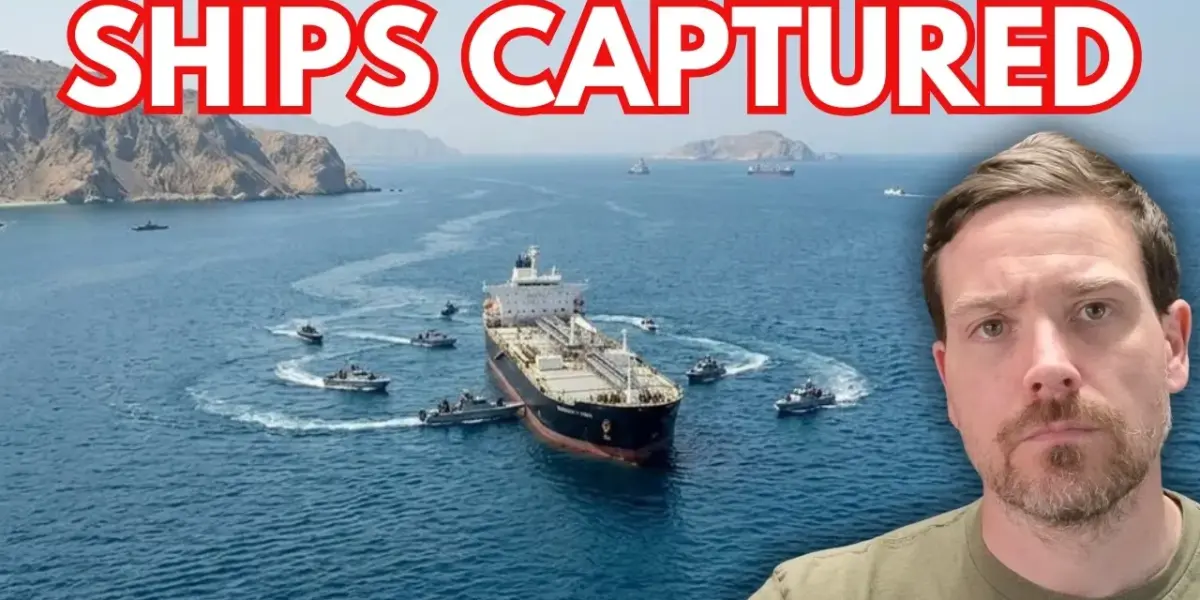
The waters around the Strait of Hormuz have become a flashpoint once again. Iran’s Navy recently seized two commercial ships and fired on a third vessel.
This action marks a significant escalation, as it’s the first time Iran has directly fired on ships since a ceasefire was put in place. The incident has raised concerns about the fragile peace and the ongoing tensions in the region.
The Islamic Revolutionary Guard Corps (IRGC) Navy claimed responsibility for the seizures. They stated that two ships, the MSC Francesca and the Epideon, were taken because they had “jeopardized maritime security.” According to the IRGC, these vessels tampered with navigation systems and disrupted safety in the Strait of Hormuz. Iran considers such actions a “red line.” Fast attack boats, a type of vessel Iran possesses in large numbers, were reportedly used in the operation.
Details of the Incident
Reports indicate that three vessels were targeted. A Liberia-flagged container ship suffered damage to its bridge from gunfire, including a rocket-propelled grenade. The ship’s captain reported being approached and then fired upon by an IRGC gunboat.
Thankfully, all crew members on this vessel were safe. Another Greek-operated container ship was also fired upon, despite having received permission to transit the Strait of Hormuz.
A third container ship, also Liberia-flagged, was fired on while sailing outbound through the Strait. This vessel reportedly sustained no damage, and its crew remained unharmed.
It was able to continue its journey. These events demonstrate a clear shift from mere threats to direct action, increasing the risk for international shipping in this vital waterway.
A Complex Diplomatic Dance
The seizures come at a confusing time for international diplomacy. Just days before, President Trump had announced an indefinite extension of a ceasefire with Iran.
This extension was reportedly tied to Iran presenting its own proposal for negotiations. However, Iran’s state media quickly denied any plans to negotiate on Friday, suggesting no change in their approach to talks with the United States.
Adding to the complexity, Iran has stated it will not negotiate until the U.S. blockade of the Strait of Hormuz is lifted. This creates a difficult situation, as both sides seem to have conflicting expectations and timelines for engagement. The U.S. has also sent mixed signals, with some officials suggesting a short, defined period for potential talks rather than an open-ended ceasefire.
The Blockade and Conflicting Reports
A major point of contention is the effectiveness of the U.S. blockade. Reports from outlets like The Wall Street Journal and the Financial Times suggest that a significant number of ships, including tankers carrying oil and gas, have managed to bypass the U.S. blockade. These reports, citing intelligence from groups like Lloyd’s List Intelligence and Vortexa, indicate that dozens of vessels have sailed in and out of Iranian ports since the blockade began.
However, U.S. officials, including those speaking on Fox News, have strongly refuted these claims. They assert that there is no evidence of Iranian ships successfully evading the blockade and that any such reports are Iranian propaganda.
The U.S. states that its efforts are focused on turning back or seizing vessels coming from Iranian ports, especially those that fund groups like Hamas and Hezbollah. This information war highlights the difficulty in getting a clear picture of the situation on the ground.
Why This Matters
The Strait of Hormuz is a critical chokepoint for global oil supplies. Any disruption here can have significant ripple effects on international energy markets and the global economy.
Iran’s aggressive actions, including the seizure of ships, directly challenge freedom of navigation and international maritime law. This escalation raises concerns about potential wider conflict and the safety of seafarers.
The conflicting reports about the blockade’s effectiveness also create uncertainty. If ships are indeed getting through, it could weaken the impact of U.S. sanctions on Iran’s economy.
This could, in turn, influence Iran’s willingness to negotiate and prolong the current standoff. The situation highlights the challenges of applying economic pressure while simultaneously seeking a diplomatic resolution.
Implications and Future Outlook
The recent events suggest that Iran is willing to take more direct and forceful actions to assert its interests. This could lead to increased military posturing and potential confrontations in the region.
For the U.S., the challenge is to maintain pressure through sanctions and blockades without triggering a full-blown military conflict. The effectiveness of these measures is now being openly questioned.
The lack of clear communication and the prevalence of propaganda from both sides make it difficult to predict the next steps. If Iran feels its economic pressure is not severe enough, it may continue or even increase its aggressive actions.
Conversely, if the U.S. perceives the blockade as ineffective, it might consider deploying more military assets to enforce it more strictly. The situation remains volatile, with a high potential for further incidents.
Historical Context
Tensions between Iran and the U.S. have been high for decades, particularly since the 1979 Iranian Revolution. The Strait of Hormuz has historically been a site of conflict and confrontation.
In past incidents, Iran has threatened to close the strait or has harassed foreign shipping. The U.S. has responded by increasing its naval presence to ensure the free flow of commerce.
The current situation is influenced by broader geopolitical factors, including Iran’s nuclear program and its regional influence. Sanctions imposed by the U.S. have significantly impacted Iran’s economy, leading to increased pressure on the Iranian government. The recent actions can be seen as a response to this pressure and an attempt to regain leverage in negotiations.
The ongoing dispute over maritime security and the effectiveness of economic sanctions highlights the complex and often contradictory nature of international relations. As both sides navigate this challenging period, the world watches closely for signs of de-escalation or further conflict.
Source: Iran Just Seized Two Ships in Major Escalation (YouTube)

Related Articles
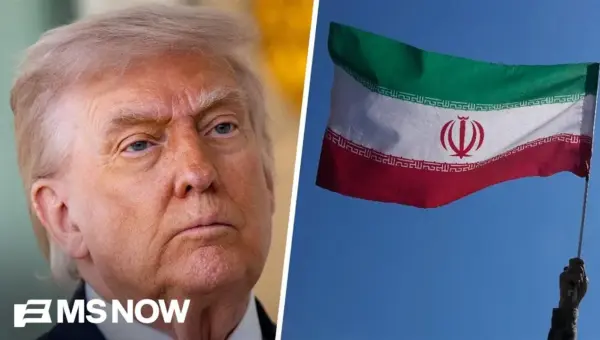
McFaul: Trump’s Impatience Hinders U.S. Iran Negotiations
Former Ambassador Michael McFaul stated that President Trump's impatience is damaging U.S. negotiation efforts with Iran. Following Iran's seizure of vessels in the Strait of Hormuz, McFaul criticized Trump's public threats, advocating for lower-level talks and a focus on mutual interests rather than trust.
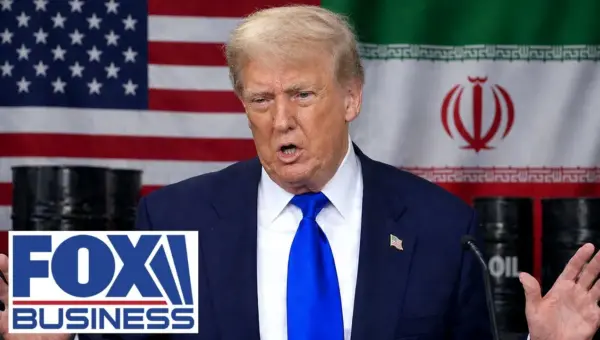
Iran Crisis Sparks Oil Fears, Gas Prices Hit $4
Tensions with Iran are driving oil prices near $91 per barrel and gasoline to $4 a gallon, creating an "energy apocalypse." A dual strategy of economic blockade and military restraint aims to pressure Iran into negotiations over its nuclear program. Despite the turmoil, U.S. equity markets show resilience, and American energy exports are at an all-time high.


EU Agrees to New Iran Sanctions Over Shipping
European Union foreign ministers have agreed to expand sanctions against Iran, targeting those responsible for threatening freedom of navigation. A separate aid agreement for Ukraine is also nearing finalization within 24 hours. The EU's naval mission will be bolstered to protect shipping in critical waterways.