McFaul: Trump’s Impatience Hinders U.S. Iran Negotiations
Former Ambassador Michael McFaul stated that President Trump's impatience is damaging U.S. negotiation efforts with Iran. Following Iran's seizure of vessels in the Strait of Hormuz, McFaul criticized Trump's public threats, advocating for lower-level talks and a focus on mutual interests rather than trust.

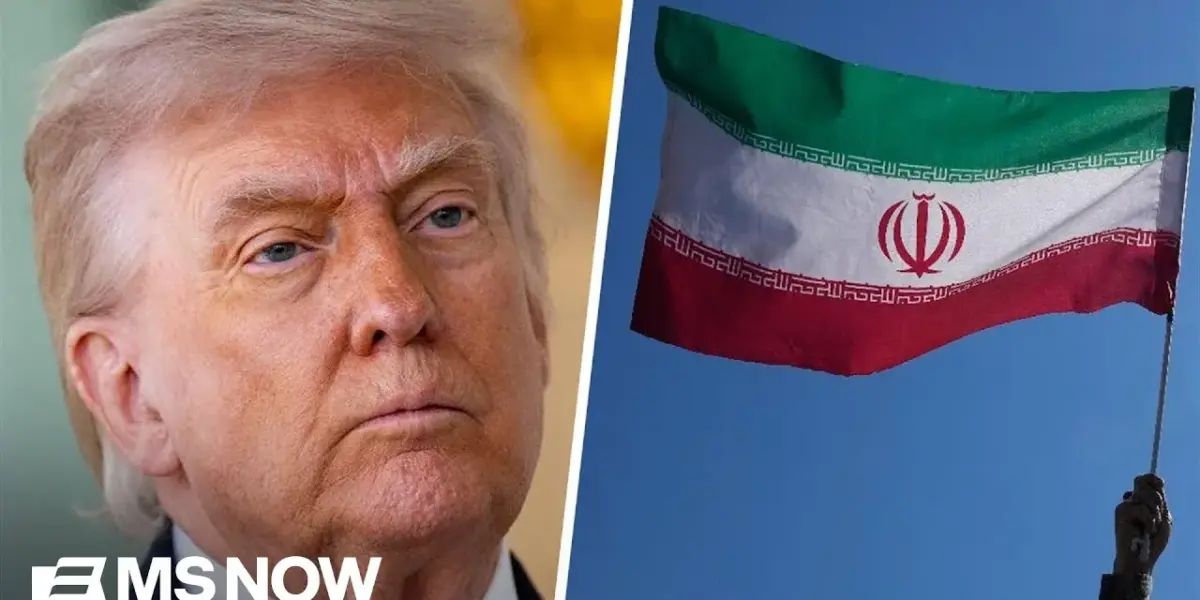
Iran Seizes Vessels Amid Standoff, Undermining Peace Talks
Recent military actions by Iran in the Strait of Hormuz have cast a shadow over potential peace talks with the United States. Iran targeted and seized three vessels, damaging two, in a move that raises serious questions about the future of negotiations. These actions occurred shortly after President Trump announced an indefinite ceasefire, pending a viable plan from Iran.
The situation leaves many questions unanswered about the path forward. While a ceasefire is in place, the confrontation in the Strait of Hormuz has created significant uncertainty. The ball is now in Iran’s court to decide whether to engage in direct discussions with the U.S.
Pakistan Steps In to Facilitate Dialogue
Pakistan is reportedly planning to strongly encourage Iran to come to the negotiation table. Sources involved in peace discussions indicate that Pakistani officials will push for direct talks between Iran and the U.S. in the coming days.
Pakistani Army leader General Asim Muneer is expected to lead this diplomatic effort. He will likely embark on a charm offensive to persuade Iranian leaders to engage with the U.S. This comes as the ongoing confrontations on the waterways are creating major doubts about the possibility of peace.
McFaul Criticizes Trump’s Negotiation Style
Former Ambassador Michael McFaul has voiced strong criticism of President Trump’s approach to negotiating with Iran. McFaul believes that Trump’s escalatory statements, often made on social media, are dangerous if not backed by action. He argues this tactic does not help the negotiation process and could be catastrophic if followed through.
McFaul suggests a different strategy, proposing lower-level talks focused on specific issues like Iran’s nuclear capabilities. He believes this would help build momentum, rather than the current approach of oscillating between demands for immediate breakthroughs and total deadlock. This back-and-forth has so far yielded no positive results.
“The fact that the president is so impatient, that undermines the ability of the American side to negotiate effectively. Impatience is never useful when you’re negotiating any international agreement, let alone one so consequential with such a tough regime to negotiate with.”
Understanding the Iranian Regime
McFaul expressed skepticism about the idea that the Iranian regime is pragmatic. He sees their primary goal as survival, viewing it as an existential threat to their leadership. For the U.S., however, the issue is framed more as electoral politics, which he believes puts more pressure on the American side.
He likens the situation to a game of chicken, noting that such escalatory tactics are not new in negotiations. McFaul argues that taking small, incremental steps is often more effective than aiming for a quick, sweeping deal. This approach is undermined by impatience, especially when dealing with a difficult regime.
Assessing the Iranian Leadership
Regarding descriptions of Iranian leaders, McFaul finds comparisons like those made by Senator John Kennedy, comparing them to characters from Star Wars or Charles Manson, unhelpful. He stresses the importance of humility when assessing the internal dynamics of the Iranian government.
McFaul believes that Iran likely has a consistent policy, and that any perceived division might be a tactic. He suggests that Iran may believe time is on their side. He dismisses the idea that trust plays a significant role in negotiations with autocratic regimes.
Focus on Mutual Interests, Not Trust
McFaul emphasizes that successful negotiation with Iran hinges on finding solutions that serve both American and Iranian interests. He states that this cannot be determined without direct communication.
The core task, according to McFaul, is to identify areas of mutual benefit. This requires actual dialogue, not assumptions based on trust or perceived irrationality. He concludes that the inability to talk directly prevents finding common ground.
Source: Trump being 'so impatient' is undermining U.S. ability to negotiate effectively: McFaul (YouTube)

Related Articles

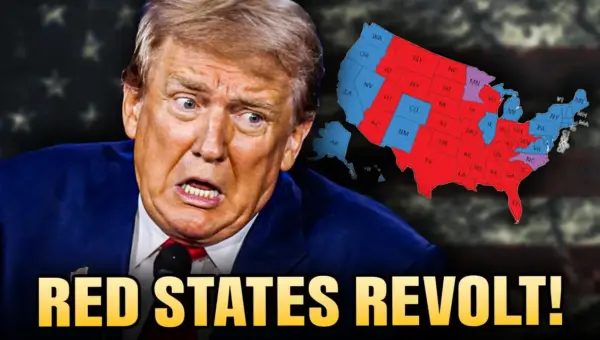
Red State GOP Leaders Resist Trump’s Grip
Red state Republican lawmakers are pushing back against Donald Trump's influence, particularly concerning redistricting. Indiana Republicans refused Trump's demands to redraw maps, fearing it would hurt their party. This signals a growing pragmatism among state GOP leaders prioritizing voter sentiment over loyalty to Trump.
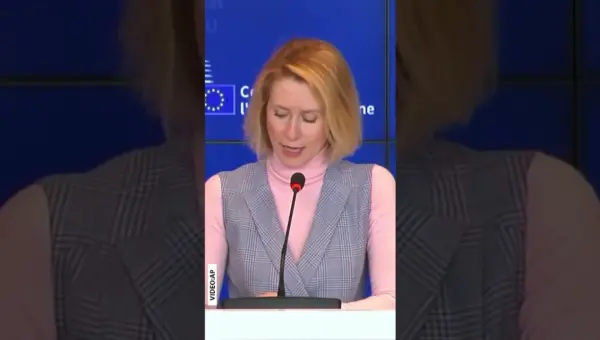
EU Agrees to New Iran Sanctions Over Shipping
European Union foreign ministers have agreed to expand sanctions against Iran, targeting those responsible for threatening freedom of navigation. A separate aid agreement for Ukraine is also nearing finalization within 24 hours. The EU's naval mission will be bolstered to protect shipping in critical waterways.


Trump’s Iran Standoff: A Risky Game of Brinkmanship
Critics argue Donald Trump's strategy with Iran relies on risky brinkmanship without clear fallback plans, drawing parallels to past conflicts. His administration's approach seems to misunderstand Iran's willingness to endure prolonged pressure, while diplomatic efforts are complicated by public statements and conflicting advice. This standoff carries significant global implications for economic stability and international security.