EU Agrees to New Iran Sanctions Over Shipping
European Union foreign ministers have agreed to expand sanctions against Iran, targeting those responsible for threatening freedom of navigation. A separate aid agreement for Ukraine is also nearing finalization within 24 hours. The EU's naval mission will be bolstered to protect shipping in critical waterways.


EU Strengthens Sanctions on Iran Amid Navigation Threats
European Union foreign ministers have reached a political agreement to expand sanctions against Iran. This move targets individuals and entities responsible for threatening freedom of navigation. The decision comes amid ongoing concerns about Iran’s actions, particularly in the Strait of Hormuz, a vital waterway for global trade.
Ministers emphasized that the right to navigate freely through this region is not open for negotiation. They condemned what they called ‘daily U-turns’ regarding the Strait’s accessibility as dangerous and reckless.
The EU’s current naval mission in the region is seen as the fastest method to protect commercial shipping. Ministers were urged to contribute more naval assets to this effort. This strengthens the EU’s commitment to ensuring the safe passage of energy and trade routes.
Europe is prepared to help restore the normal flow of goods once conditions permit. The existing sanctions on Iran are already extensive, but this new agreement aims to increase pressure on those directly involved in disrupting maritime traffic.
Ukraine Aid Agreement Nears Finalization
In separate news, a crucial aid agreement for Ukraine is reportedly close to being finalized. An agreement is expected within the next 24 hours, according to sources. This development is seen as a significant step in providing continued support to Ukraine amidst its ongoing conflict.
The promise was initially made in December, and efforts have been underway to overcome previous obstacles. All parties hope that remaining issues will be resolved soon to allow the agreement to take effect.
Debate Over Broader Iran Measures Continues
During the meeting, some member states proposed more drastic measures against Iran. These included fully or partially suspending the EU’s association agreement with Iran. Others suggested restricting trade originating from Israeli settlements.
However, these proposals did not gain enough support to move forward. Suspending the association agreement requires unanimous consent from all member states, which was not achieved in this meeting.
The existing measures that could be strengthened require a qualified majority vote. This means some member states would need to change their current positions. Such a shift was not observed during the discussions.
Nevertheless, these debates are expected to continue as the EU assesses its response to Iran’s actions. The focus remains on implementing measures that can be agreed upon by a sufficient number of member states to have a meaningful impact.
Strategic Implications
The expanded sanctions on Iran signal a firm stance by the European Union regarding international maritime law. By targeting those responsible for ‘breaches to freedom of navigation,’ the EU aims to deter future disruptions. The Strait of Hormuz is critical, with a significant portion of the world’s oil passing through it daily.
Any threat to this passage can cause global energy prices to spike and disrupt supply chains. The EU’s naval mission, strengthened by additional assets, acts as a visible deterrent and a rapid response capability.
This action by the EU also reflects a broader geopolitical alignment with allies concerned about Iran’s regional activities. It demonstrates a coordinated effort to apply economic and political pressure. The decision to expand sanctions, rather than immediately enacting more severe trade restrictions, suggests a calculated approach.
The EU is balancing the need for decisive action with maintaining diplomatic channels and avoiding actions that could have unintended negative economic consequences for its own member states or global markets. The continuation of discussions indicates a willingness to explore further options if the situation does not improve.
Historical Context of Sanctions
The use of sanctions as a foreign policy tool is well-established. Nations and international bodies often employ economic sanctions to pressure states into changing their behavior without resorting to military conflict.
For instance, international sanctions have been used against various countries over issues ranging from nuclear proliferation to human rights abuses. The effectiveness of sanctions can vary widely, depending on their scope, the cooperation of other international actors, and the target country’s economic resilience.
In this case, the EU’s sanctions aim to isolate individuals and entities directly involved in threatening maritime freedom. This targeted approach is often seen as more effective than broad sanctions that can harm civilian populations.
The EU’s history of using sanctions against Iran includes measures related to its nuclear program. This latest expansion is a specific response to actions impacting international trade and security in a vital global shipping lane.
Looking Ahead
The agreement on expanded sanctions against Iran is set to be formally adopted soon. Discussions regarding potential further measures, including trade restrictions and the association agreement, will continue among member states.
The progress on the Ukraine aid package is also expected to be confirmed within the next day. These developments highlight the complex diplomatic and security challenges currently facing the European Union.
Source: 😱Kallas urgently came out with news about Ukraine! (YouTube)

Related Articles


Trump’s Iran Standoff: A Risky Game of Brinkmanship
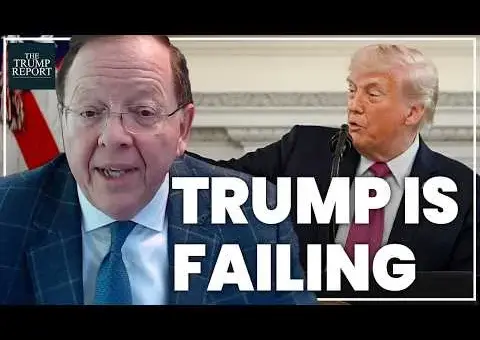
Critics argue Donald Trump's strategy with Iran relies on risky brinkmanship without clear fallback plans, drawing parallels to past conflicts. His administration's approach seems to misunderstand Iran's willingness to endure prolonged pressure, while diplomatic efforts are complicated by public statements and conflicting advice. This standoff carries significant global implications for economic stability and international security.
Iran Outmaneuvers Trump, Forcing U.S. Into Strategic Retreat
Professor Robert Pape argues that Donald Trump lacks control in the conflict with Iran, projecting an illusion of power while Iran strategically advances its goals. Iran is not seeking a face-saving exit for Trump but aims to inflict economic damage and establish itself as a major world power.
Trump’s Iran Cease-Fire Extension: Genius Move or Political Paralysis?
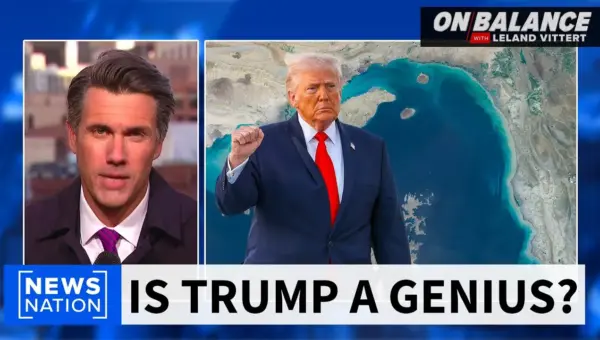
President Trump's decision to unilaterally extend a cease-fire with Iran has sparked debate, with two main interpretations: a brilliant strategic move or political paralysis. While Iran dismisses the extension, the U.S. continues its pressure campaign, but its momentum appears to have shifted. The outcome will significantly impact regional stability and Trump's legacy.