Market Shift: 2026 Seen as Prime Time for Real Estate Buyers
Experts predict 2026 could be the best year for real estate buyers in over a decade, driven by increasing inventory and reduced competition. Investor Michael Zuber advocates for a disciplined approach, emphasizing a daily 20-minute routine to identify prime rental properties. He advises new investors to define a specific "buy box" and understand their market's average deal metrics before making offers.


Market Shift: 2026 Seen as Prime Time for Real Estate Buyers
Expenses are rising, and job security feels less certain for many. This situation highlights the need for individuals to create their own income streams. For those looking to real estate as a path to financial independence, experts suggest that now, and particularly in 2026, could offer a significant opportunity not seen in over a decade.
The strategy? Acquire rental properties one at a time.
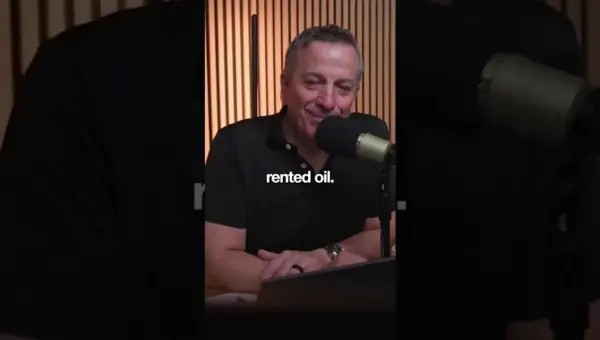
Michael Zuber, a real estate investor with 25 years of experience, believes 2026 will be the best year for buying property in a decade. This isn’t a casual prediction; Zuber is known for his disciplined approach and sees a clear advantage for investors who understand the market dynamics. He also shares a method that allows anyone to become a successful investor by dedicating just 20 minutes a day to identifying the right properties.
From W2 Employee to Real Estate Investor
Zuber’s journey into real estate began after experiencing a significant loss in the dot-com crash, which led him to seek more stable investment avenues. Inspired by books like “Rich Dad Poor Dad,” he set a goal to acquire four rental properties in his thirties. His plan was to have them paid off by retirement, offering him financial options later in life.
His real estate career started in 2001, even before the market boom. A key moment came in 2006 when he attended a seminar predicting a crash in California.
At the time, his wealth was heavily invested in California real estate. He learned about the affordability index and realized Fresno was becoming unaffordable.
Acting on this information, Zuber used a 1031 exchange to sell eight homes and reinvest the equity into apartment buildings. This move from 8 to 80 properties in 2006 allowed him to avoid the market downturn. He continued to invest actively during the subsequent crash, a strategy that proved successful.
Predicting Market Trends
Zuber’s ability to anticipate market shifts has been a hallmark of his career. He retired in 2018 and continued flipping homes until 2022, when the market became more challenging for flippers. More recently, he strategically pulled nearly a million dollars in equity before a major geopolitical event, preparing to re-enter the buying market.
He attributes this foresight to paying close attention to the market daily for over 30 years. This consistent observation allows him to identify coming trends and make informed decisions, a skill he believes is crucial for long-term success in real estate.
Why 2026 is an Investor’s Market
Zuber predicts that 2026 will be a challenging year for many, but a prime opportunity for real estate investors, especially those following strategies like those promoted by BiggerPockets and his own “One Rental at a Time” approach.
Investors often seek more active listings (inventory) and less competition. Recent reports indicate that about 60% of buyers are delaying purchases or have left the market altogether. This reduction in demand benefits investors by increasing available properties and creating more opportunities with motivated sellers, evidenced by rising days on market and more relisted homes.
While this environment may be difficult for sellers and some flippers, it presents a golden opportunity for disciplined buyers. Zuber encourages buyers with a clear investment strategy, or “buy box,” to submit aggressive offers daily and explore creative financing options. For long-term, buy-and-hold investors, this market offers the best conditions in a decade to find and secure great deals.
The Power of a “Buy Box”
Zuber emphasizes the importance of a well-defined “buy box” – a specific set of criteria for the properties an investor will target. He believes that many new investors overcomplicate the process by not having a focused approach. A good buy box should yield between 20 to 40 active listings, providing enough options without being overwhelming.
As an example, Zuber shares his original buy box from 2001: single-family homes in a specific Fresno, California zip code (93703). The homes needed to be three or four bedrooms, single-story, with a two-car garage, and between 1,200 and 2,000 square feet. This narrow focus was essential because he couldn’t learn the entire Fresno market from afar.
The key to using a buy box is daily observation. For the first 90 to 120 days, investors should simply document what’s changing in the market and what sells.
This process helps them understand the average deal within their criteria. Zuber advises against making any offers until one can clearly articulate the characteristics of an average deal in their buy box.
Focusing on Great Deals, Not Average Ones
Once an investor understands the average deal, they can set a higher bar. If an average deal yields a 3.5% cash-on-cash return (the annual cash flow divided by the total cash invested, including down payment, closing costs, and repairs), Zuber suggests targeting deals with at least a 5.5% or 6% return. The goal is to consistently find or create exceptional deals, not just average ones.
He stresses that rushing into purchases is a mistake. Treating the first deal as an educational experience can lead to significant financial losses. Instead, diligent research and adherence to a disciplined strategy are crucial for success.
The 20-Minute Daily Routine
The 20-minute daily commitment is designed for busy individuals, particularly those with full-time jobs. This brief daily review allows investors to stay informed about their specific market and identify opportunities without needing extensive free time.
This daily repetition is vital. Zuber advises against consolidating all research into one long session per week.
Seeing what’s happening every day in the buy box helps investors understand subtle market shifts and recognize when a deal meets their criteria. Even on days when nothing significant changes, the brief review confirms that the market is stable, and the investor is still on track.
Understanding Yield: The Core Calculation
To calculate the potential return, or “yield,” on an investment property, Zuber breaks it down into two main components: the total cash invested and the annual cash flow. This calculation helps investors determine if a deal is truly exceptional.
The denominator, or the total cash invested, includes the down payment, closing costs, and any immediate repair expenses needed to make the property rent-ready. The numerator, or the annual cash flow, is calculated by estimating the average monthly rent, then subtracting all operating expenses such as property taxes, insurance, vacancy, and maintenance reserves. Multiplying the net monthly cash flow by 12 gives the annual figure.
For example, if the total cash invested is $24,000 and the estimated annual cash flow is $2,400, the cash-on-cash yield is 10% ($2,400 / $24,000). By performing this calculation across multiple active listings within their buy box, investors can determine the average yield in their market and set a higher target for themselves.
Key Expenses to Factor In
When calculating yield, investors must accurately account for several key expenses. Understanding average rents within the specific buy box is crucial. Property taxes, which have seen substantial increases, must be researched for the target asset.
Insurance costs are also significant, varying greatly by location and risk factors like storms or extreme weather. Investors should also budget for reserves, which cover unexpected expenses like major repairs, vacancies, or potential tenant issues. These reserves are not personal funds but should be treated as business expenses.
The Importance of Reserves and Long-Term Holding
Zuber highlights that owning real estate requires capital, especially to weather unexpected storms. He shares a personal story where a first rental property suffered $15,000 in damages from a tenant, and he never received another rent payment. Without sufficient reserves, such an event could have forced him to sell at a loss, but his capital allowed him to manage the situation and eventually exchange the property for an apartment building.
The core principle of wealth building in real estate, according to Zuber, is a three-step process: first, create disposable income to serve as seed capital; second, become an elite investor by mastering a specific niche (like a buy box); and third, hold investments for at least a decade. Appreciation, he notes, is uncertain until the property is sold, making cash flow and disciplined acquisition paramount.
Strategic Offers in Today’s Market
With significant equity in many homes, the current market presents unique opportunities for creative offers. Investors can leverage this by making aggressive cash offers on some properties while simultaneously exploring seller financing options on others.
Understanding a seller’s financial situation, such as their loan-to-value ratio and equity position, is key to making effective creative offers. Nearly 40% of homes are owned free and clear, creating a large pool of potential sellers who might be open to creative terms. This demographic trend, coupled with the natural cycle of older homeowners eventually selling, suggests a sustained opportunity for strategic negotiation.
Why Appreciation Isn’t the Primary Goal
Zuber intentionally excludes appreciation from his primary yield calculation because it is not guaranteed until a property is sold. He has seen markets crash and wealthy individuals lose everything, emphasizing that relying on appreciation alone is a risky strategy.
However, he does incorporate value-add strategies if they directly increase rental income. For instance, converting a two-bedroom unit to a three-bedroom, if square footage allows, can significantly boost rents. This type of value-add is calculated into the potential cash flow, making it a tangible benefit rather than speculative appreciation.
The market will likely offer these buyer-friendly conditions for at least another 6 to 18 months, providing ample time for investors to prepare and act. The key is discipline, a defined strategy, and daily engagement.
Source: If You Can Do This 20 Mins/Day, You Can Become a Rental Millionaire (YouTube)

Related Articles

Own Assets, Not Cash, To Beat Inflation
Robert Kiyosaki emphasizes acquiring assets over simply earning money to combat inflation. Printed money loses value, while hard assets like real estate or commodities can increase in worth. This strategy helps build wealth and maintain purchasing power.


Bitcoin Eyes $85K Amidst Conflicting Ceasefire News
Bitcoin is testing key resistance levels, potentially aiming for $85,000 amidst conflicting geopolitical news. Analysts are watching energy markets and historical cycles for clues, while warning of potential bull traps due to low volume and bearish divergences. The market remains at a critical decision point.


Trump Warns Iran: Bombing Could Start ‘Tomorrow’
President Trump has signaled a tough stance on Iran, warning that he expects to be "bombing tomorrow" if a satisfactory deal isn't reached, with the current cease-fire set to expire. Despite the escalating rhetoric, financial markets have remained measured, seemingly pricing in a future resolution and a potential "peace dividend."