Podcasts Go Visual: New Strategy Boosts Reach
Podcasts are increasingly adding video to their strategy to attract new listeners and boost revenue. YouTube has become a major platform for this, with creators finding success through authentic, less-produced content that resonates with viewers.

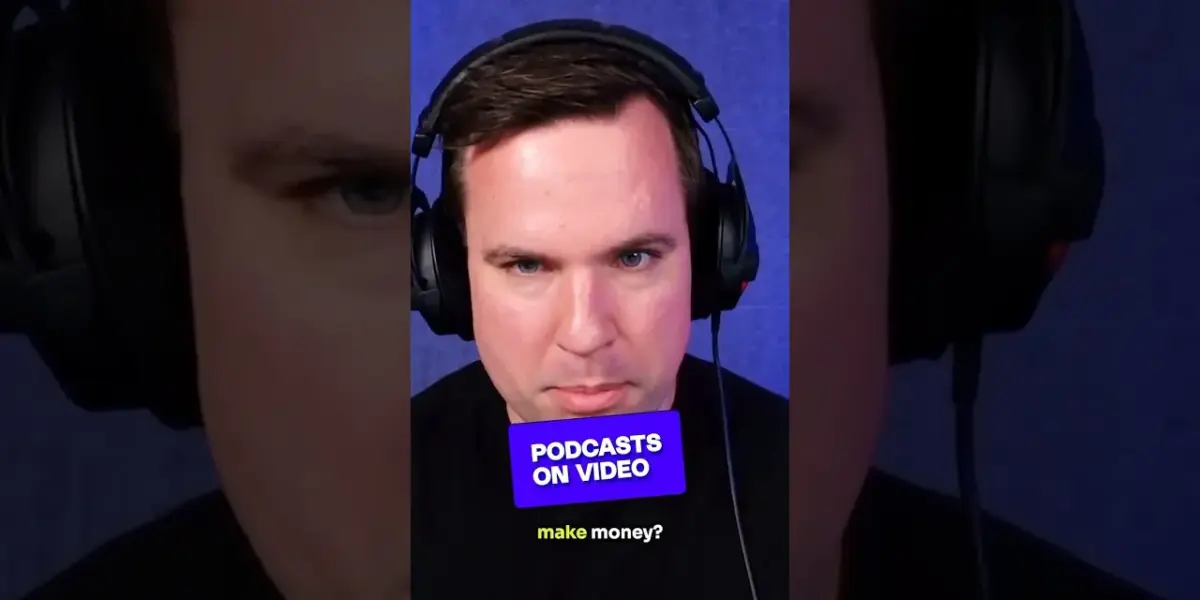
Podcasts Embrace Video to Find New Listeners
Podcasts are changing. The latest trend sees shows adding video, not just for fun, but to make more money and reach more people. This move is a big deal because finding new listeners for audio-only podcasts has always been tough.
While loyal fans love their audio podcasts, a new type of listener is emerging. These viewers see podcasts as video products, and platforms like YouTube are becoming major players. YouTube is now the biggest place to listen to podcasts in the world, showing how much people like this new format.
YouTube Becomes a Podcast Powerhouse
The shift to video is largely driven by the desire to tap into YouTube’s massive audience. Many creators feel they haven’t found a strong way to get new people to discover their audio shows. Now, they can use video to introduce their content to a wider group of potential fans.
This strategy isn’t just about numbers; it’s about connection. Creators are noticing that overly polished videos don’t always perform best on YouTube. Instead, a more raw, authentic style often wins over viewers.
Authenticity Wins Over Viewers
The most successful podcasts on YouTube often have a casual, almost DIY feel. Videos that look like they were filmed in a garage, for example, can create a stronger bond with the audience. This less-produced style feels more real and relatable to viewers.
This authenticity is key to building a connection. It helps new viewers get to know the hosts and the show’s personality. It’s less about perfect production and more about genuine interaction, making the content feel more approachable.
A Strategy for Growth and Discovery
For podcast creators, the push to video is mainly about accessing new audiences and bringing fresh faces into their shows. It’s a way to get people familiar with their talent and the topics they cover.
By offering video versions, creators can attract viewers who might not typically seek out podcasts. Once viewers discover a show through video, they might then become regular listeners of the audio version too. This opens up a whole new avenue for growth.
Who Should Care About This Trend?
Podcast creators looking to expand their reach should definitely pay attention. If you’re struggling to find new listeners or want to grow your brand, adding video is a smart move. It’s also a good idea for advertisers who want to reach engaged audiences on platforms like YouTube.
Regular podcast listeners might also find themselves watching more shows. As more content becomes available in video format, you might discover new favorites by simply browsing YouTube. It’s a win-win for creators and consumers.
The Future of Podcasting Looks Visual
The trend of podcasts embracing video is more than just a passing fad. It’s a strategic pivot to address the challenges of audio discovery and tap into the massive reach of video platforms. This evolution is likely to continue as more creators recognize the benefits of a visual presence.
As creators experiment with different video styles, we can expect to see even more innovative approaches. The goal remains the same: to connect with audiences in meaningful ways and grow their listenership. The integration of video is set to redefine how podcasts are created, consumed, and monetized in the coming years.
Specs & Key Features
While this trend focuses on content strategy rather than specific hardware, here are the key elements involved:
- Video Recording Equipment: This can range from simple smartphone cameras to professional video setups, depending on the creator’s budget and desired quality.
- Editing Software: Tools for editing video footage, adding graphics, and ensuring a smooth viewing experience.
- Platform Integration: The ability to easily upload and manage video content on platforms like YouTube, Spotify, and Apple Podcasts.
- Audience Engagement Tools: Features within platforms that allow for comments, likes, and subscriptions, fostering a community around the show.
- Monetization Options: Advertising revenue from video platforms, sponsorships, and potential for premium video content.
The focus is on making content accessible and engaging across multiple formats. Creators are adapting their production to fit the expectations of a video-first audience, prioritizing authenticity and connection over high production values.
Source: Podcasts pivoting to video (YouTube)

Related Articles

Book Deals Now Demand Social Followings
Publishers are now prioritizing an author's social media following over traditional manuscript quality. This shift treats book proposals as business plans, where online influence dictates the likelihood of securing a deal. Aspiring authors must now build a significant online presence to stand out.

Make Your LinkedIn Posts Stand Out From AI Clones
Over half of LinkedIn posts are now AI-generated and get less engagement. Learn how to make your posts stand out by brainstorming manually, using AI for research, adding personal stories, and developing your unique voice. This guide helps you create original content that connects with your audience.

YouTube Stars Who Ditched The Algorithm For Stardom
Discover how YouTube creators like Mark Rober, Rhett & Link, and Justin Bieber used the platform to achieve massive mainstream success. These stars built empires beyond videos, proving YouTube is a powerful launchpad for global fame and diverse careers.