Health Secretary Defends Budget Amidst Senate Scrutiny
U.S. Health Secretary Robert F. Kennedy Jr. faced tough questions from senators regarding the administration's budget, prescription drug costs, vaccine confidence, and abortion drug safety. Key disagreements emerged over the role of vaccines in public health and the government's approach to regulating healthcare and food products. The hearing highlighted the administration's agenda to prioritize patients and reform healthcare, while lawmakers debated the effectiveness and implications of proposed policies.

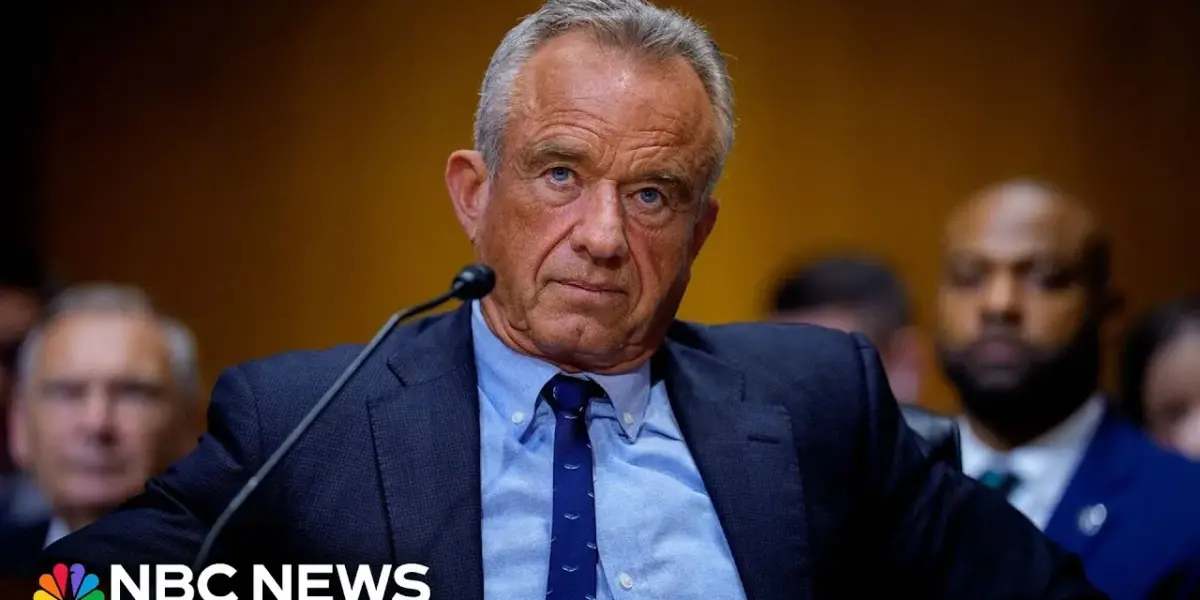
Health Secretary Faces Senate Grilling on Budget, Policies
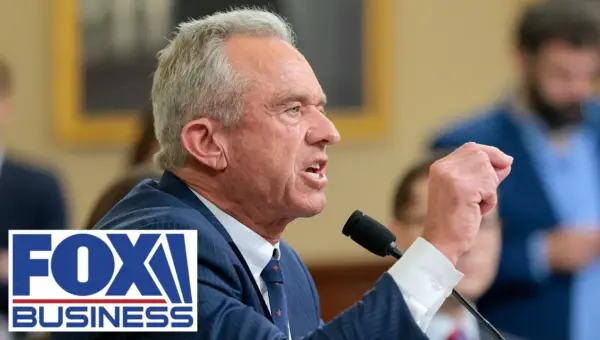
Secretary of Health and Human Services Robert F. Kennedy Jr. appeared before the Senate Committee on Health, Education, Labor, and Pensions on Wednesday to discuss the administration’s proposed budget.
Lawmakers raised concerns ranging from prescription drug costs and vaccine confidence to the safety of abortion medications and the nation’s preparedness for future health crises. The hearing highlighted sharp disagreements on key health policy issues, with senators pressing the Secretary on the administration’s actions and priorities.
Focus on Affordability and Patient Power
Senator Bill Cassidy, the committee chairman, opened the hearing by emphasizing the widespread concern over affordability, from gasoline to healthcare. He specifically highlighted the issue of high prescription drug prices, noting that patients understand when middlemen are increasing costs for their own profit. Cassidy suggested that when patients are truly the focus of care, rather than just a source of bills, prices tend to decrease.
The administration’s proposed budget aims to put the patient in charge, according to Cassidy. The hearing touched upon efforts to make life-saving drugs more accessible and affordable, including increasing access to generic and biosimilar drugs. A report released by the committee suggested ways to bring new drugs to market more rapidly, which could lower research and development costs and, consequently, drug prices, while maintaining high standards for safety and effectiveness.
Secretary Kennedy stated that the administration is challenging the status quo and defending institutions that uphold it, aiming to make America healthy again. He pointed to recent achievements, such as negotiating lower drug prices with major pharmaceutical companies and promoting transparency in healthcare pricing. The Secretary also mentioned efforts to convene health insurance CEOs to reform prior authorization processes and tech companies to improve patient access to health records.
Debate Over Vaccine Confidence and Public Health
A significant portion of the hearing focused on vaccine confidence and the administration’s role in public health messaging. Senator Bernie Sanders expressed deep concern over what he described as a broken American healthcare system, where the U.S. spends more per capita on healthcare than any other developed nation yet has lower life expectancy and leaves millions uninsured or underinsured. Sanders directly questioned Secretary Kennedy about his past writings that appeared to cast doubt on the germ theory and the role of vaccines in reducing mortality.
Secretary Kennedy defended his position, stating that while vaccines save lives, the dramatic decline in infectious disease mortality in the 20th century was primarily due to improvements in hygiene, sanitation, and water supply, not solely vaccines. He cited a CDC study supporting this view. Sanders countered by referencing a World Health Organization-led study in The Lancet, which indicated vaccines have saved over 150 million lives and significantly reduced infant deaths over the past 50 years.
Sanders also raised concerns that the administration has spread misinformation about vaccine safety and effectiveness, pointing to the largest measles outbreak in over 30 years. He questioned whether the new CDC director would have the authority to make independent decisions and potentially replace political appointees who he believes have undermined trust in immunizations.
Secretary Kennedy refuted Sanders’ characterization of political appointees and affirmed that the CDC director has the authority to make independent decisions. Regarding the measles outbreak, Kennedy stated that the U.S. has managed it better than other countries, noting that most affected children were older and their vaccination decisions predated his appointment. He highlighted that the outbreak is a global issue, with other nations experiencing significantly higher case numbers relative to their populations.
Concerns Regarding Abortion Drug Safety
Senator Cassidy also pressed Secretary Kennedy on the administration’s stance regarding chemical abortion drugs. He expressed disappointment that the removal of the in-person dispensing requirement for these drugs remains in place.
Cassidy shared a case where a woman was allegedly coerced into taking abortion pills, leading to criminal charges against the individual who provided them. He argued that reinstating the in-person requirement would protect women from abuse and coercion.
Secretary Kennedy stated that he could not discuss the matter due to ongoing litigation, a response Cassidy found frustrating. Cassidy also raised concerns about unapproved and misbranded chemical abortion drugs being imported from international providers, questioning why the department had not taken stronger steps to stop their illegal sale.
Addressing Diet, Obesity, and Rural Health
The discussion also turned to the epidemic of obesity and the role of ultra-processed foods. Senator Sanders advocated for strong warning labels on unhealthy food products, similar to approaches taken by countries like Chile and Mexico. Secretary Kennedy indicated that the agency has finalized regulations defining ultra-processed foods and that labeling requirements are in the interagency process, with a commitment to moving forward once they return to HHS.
Both Secretary Kennedy and Senator Sanders agreed on the need to ban advertisements for junk food targeted at children. Kennedy also supported the idea of restricting taxpayer subsidies for unhealthy foods, referencing efforts to allow states to remove sugary drinks and candy from SNAP benefits. He noted that 50% of states have applied for waivers to do so.
Senator Rand Paul raised the issue of taxpayer subsidies for unhealthy foods, advocating for a bill to stop such subsidies. He also discussed expanding Health Savings Accounts (HSAs) and allowing individuals to negotiate drug prices through larger purchasing groups or co-ops, suggesting these measures would cost taxpayers nothing and empower consumers.
Secretary Kennedy highlighted the administration’s significant investment in rural health through the Rural Health Transformation Fund, aiming to strengthen rural hospitals and improve access to care. He mentioned investments in expanding rural residency programs and nutrition services, noting that physicians trained in rural areas are more likely to stay and practice there.
Looking Ahead
The hearing concluded with both senators and the Secretary acknowledging the need for change in the American healthcare system. While disagreements persist on the best path forward, particularly concerning public health messaging and reproductive health policies, the discussions highlighted a shared concern for patient affordability and well-being. Future actions from HHS regarding food labeling, rural health initiatives, and its response to ongoing public health challenges will be closely watched.
Source: LIVE: Secretary Kennedy testifies at Senate hearing | NBC News (YouTube)

Related Articles
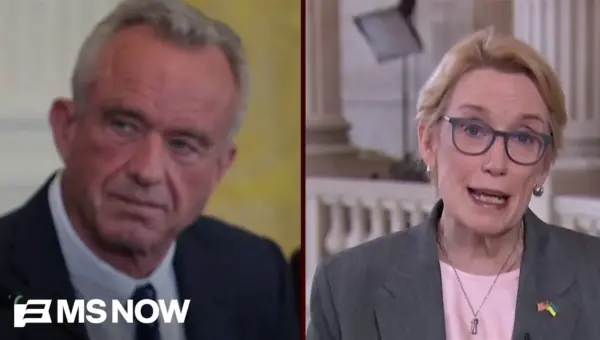
Senator Slams Health Secretary Ahead of Crucial Hearing
Senator Maggie Hassan has sharply criticized Health and Human Services Secretary Robert F. Kennedy Jr. ahead of a Senate Finance Committee hearing, asserting the nation is less healthy under his leadership. Hassan cited concerns over vaccine policy, budget cuts impacting healthcare access, and the failure to address toxic chemicals in the food supply.

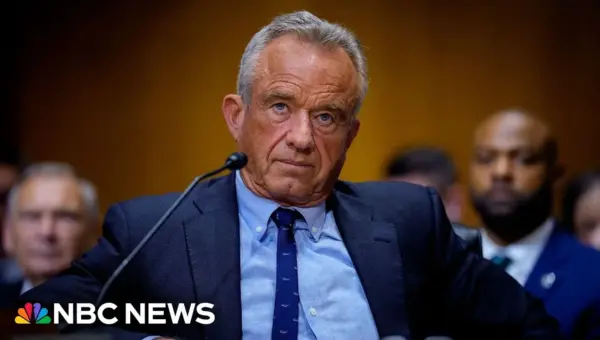
Health Secretary Defends Policies Amid Senate Scrutiny
Health Secretary Robert Kennedy testified before the Senate, defending the Trump administration's healthcare policies, including Medicaid reforms, rural healthcare investments, and prescription drug initiatives. The hearing saw sharp disagreements with Democratic senators over vaccine policies, drug pricing transparency, and the impact of healthcare cuts.

Senate Grills RFK Jr. on Trump’s $2027 HHS Budget
The Senate grilled Health and Human Services Secretary Robert F. Kennedy Jr. on the Trump administration's 2027 budget, debating reforms to Medicaid, rural healthcare investments, and prescription drug pricing. Sharp disagreements arose over vaccine policies and transparency with pharmaceutical companies, while consensus emerged on prioritizing nutrition and preventive care.