Senate Grills RFK Jr. on Trump’s $2027 HHS Budget
The Senate grilled Health and Human Services Secretary Robert F. Kennedy Jr. on the Trump administration's 2027 budget, debating reforms to Medicaid, rural healthcare investments, and prescription drug pricing. Sharp disagreements arose over vaccine policies and transparency with pharmaceutical companies, while consensus emerged on prioritizing nutrition and preventive care.

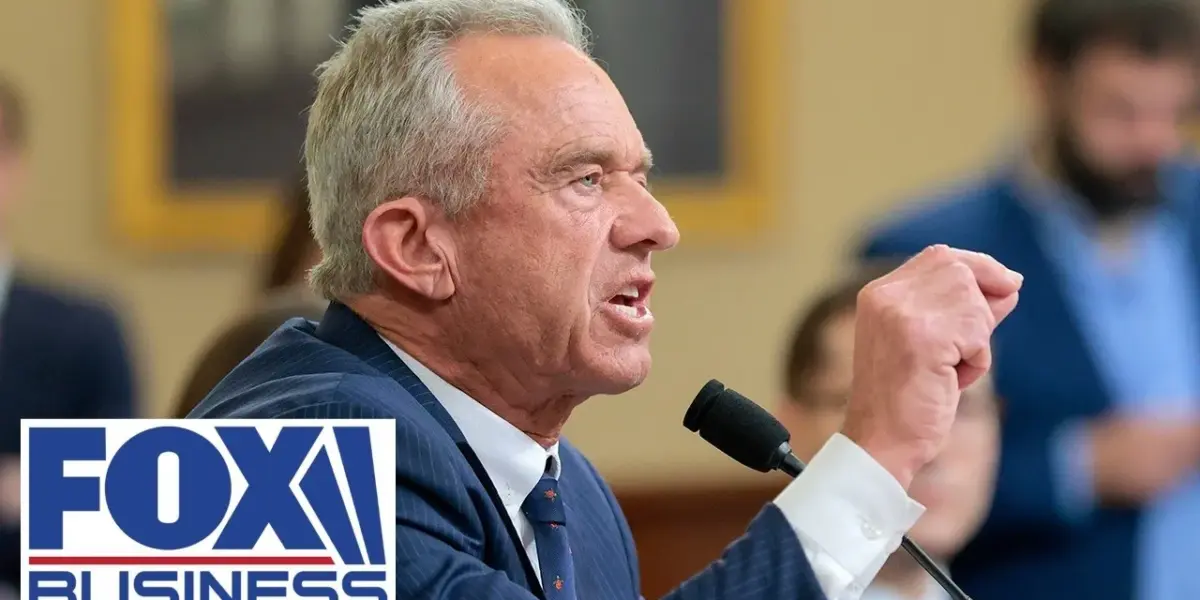
Senate Questions Health Secretary on 2027 Budget and Policy
The U.S. Senate convened to discuss the proposed fiscal year 2027 budget for the Department of Health and Human Services (HHS), with Secretary Robert F. Kennedy Jr. facing scrutiny over the administration’s healthcare policies. During the hearing, lawmakers debated the progress and direction of the nation’s healthcare system, touching on issues from Medicaid financing to prescription drug costs and public health initiatives.
Medicaid Reforms and Cost Savings Highlighted
One key focus of the discussion was the overhaul of Medicaid, the government health insurance program for low-income individuals and families. Lawmakers noted that Medicaid spending had doubled between 2019 and 2025, a significant increase attributed to pandemic-related factors and prior administration policies. The administration’s “working families tax cuts” aim to address this by realigning the healthcare system.
These reforms include measures to prevent program financing gimmicks and ensure funds reach intended recipients. The new law prohibits coverage for certain non-citizens and removes beneficiaries who are deceased, enrolled in multiple states, or own homes valued over $1 million.
It also introduces work or school requirements for those able to participate in such activities, mirroring requirements in other safety net programs. These changes are projected to save taxpayers hundreds of billions of dollars, ensuring Medicaid’s long-term stability.
Rural Healthcare and Prescription Drug Access
The hearing also addressed a substantial $50 billion investment in rural healthcare through the Rural Health Transformation Program. Starting this year, all 50 states are receiving funds to improve healthcare workforces, invest in technology, and promote preventive health. This initiative aims to strengthen rural hospitals, which are often the largest employers and economic drivers in their communities.
Efforts to bring transparency and accountability to the prescription drug supply chain were also discussed, including reforms targeting pharmacy benefit managers (PBMs). These reforms intend to end incentives for PBMs to steer patients toward more expensive drugs. The administration also highlighted its “Trump RX” initiative, designed to help patients find lower-priced drug alternatives, though questions were raised about its effectiveness compared to existing insurance coverage.
Debate Over Vaccine Policy and Transparency
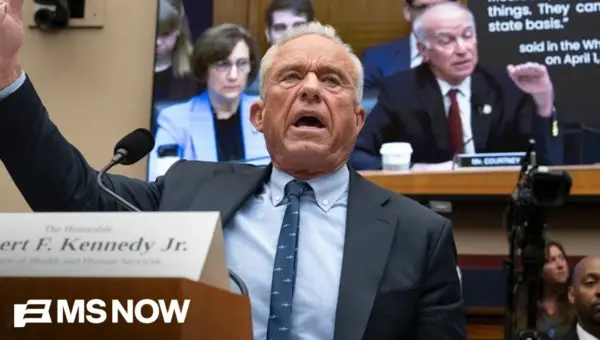
A significant portion of the hearing devolved into a sharp disagreement regarding vaccine policies and the administration’s transparency. Senator Ron Wyden accused Secretary Kennedy of promoting “anti-vaccine policies” and misleading Congress, particularly concerning the measles outbreak. Wyden presented evidence suggesting Kennedy’s travel to Samoa was to promote his views on vaccines and questioned his denial of controversial statements about Black children.
Secretary Kennedy defended his department’s handling of the measles outbreak, stating that the U.S. managed it better than other countries despite global challenges. He emphasized the importance of restoring public trust in government health institutions. However, Wyden pressed Kennedy on whether he would commit to releasing written agreements with pharmaceutical companies, citing concerns about “secret deals” that benefit “big pharma” at the expense of American families.
Kennedy refused to release the agreements, citing proprietary information and trade secrets, and pointed to the Inflation Reduction Act’s provisions requiring non-disclosure agreements. He stated that his administration had already achieved significant price reductions for various medications, arguing that Congress could implement more powerful negotiation measures if they chose.
Focus on Nutrition and Prevention
Despite the contentious exchanges, there was bipartisan agreement on the importance of nutrition and preventive healthcare. Lawmakers praised HHS’s efforts to integrate nutrition education into medical schools, with over 50 schools committing to provide at least 40 hours of training. The department is also working with states to mandate nutrition education in medical licensing and continuing education.
HHS has also issued directives to hospitals requiring them to serve nutritious foods, particularly for patients with conditions like diabetes. These efforts extend to federal programs like WIC, SNAP, and school lunches, aiming to promote healthier eating habits across the population. The administration views this focus on prevention and whole-person health as a crucial step in reversing the chronic disease epidemic.
Looking Ahead
The hearing concluded with a commitment from Secretary Kennedy to work with Senator Scott on wastewater surveillance initiatives, such as the PREDICT Act, to strengthen early detection of public health threats. The discussions highlighted the ongoing challenges and differing approaches to healthcare policy in the United States, with key budget decisions and policy implementations for 2027 on the horizon.
Source: WATCH LIVE: Senate grills RFK Jr on Trump’s 2027 HHS budget request (YouTube)

Related Articles

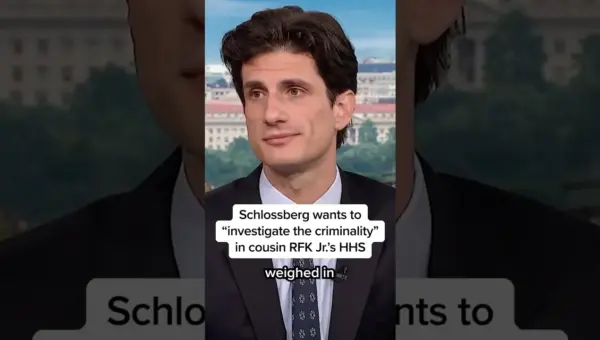
Schlossberg Vows HHS Probe Amid Cousin RFK Jr.’s Leadership
Jack Schlossberg, running for Congress in New York's 12th district, announced his plan to investigate the Department of Health and Human Services (HHS), currently led by his cousin, Robert F. Kennedy Jr. He aims to uncover alleged "criminality" and question who is funding the administration's actions while Americans struggle financially. Schlossberg's pledge highlights his campaign's focus on transparency and government accountability.
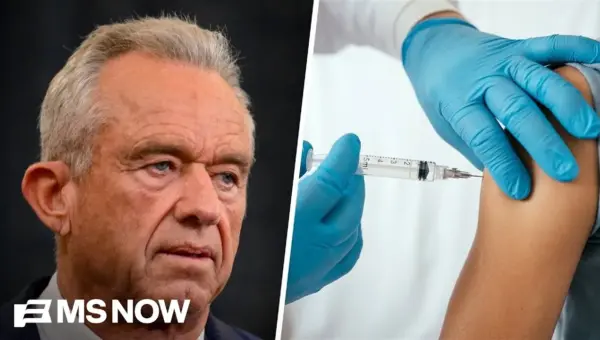
RFK Jr. Accused of Making Measles ‘Great Again’ Amid Vaccine Policy Shifts
Pennsylvania Congressman Brendan Boyle is criticizing Health and Human Services Secretary Robert F. Kennedy Jr., accusing him of policies that have led to a resurgence of measles. Boyle also condemned alleged misinformation and significant healthcare budget cuts proposed by the administration. He stated that when Medicaid cuts take effect, the public will clearly see who has been truthful about healthcare access.
Trump Taps Vaccine Advocate to Lead CDC, Shifting from Skepticism
President Trump has nominated Dr. Erica Schwartz, a vaccine supporter and former COVID-19 response official, to lead the CDC. This move signals a potential shift away from vaccine skepticism within his political circle. However, experts like Dr. Chris Pernell express cautious optimism, emphasizing the need for vigilance due to ongoing concerns about leadership influenced by anti-science views.