Health Secretary Defends Policies Amid Fierce Congressional Debate
U.S. Health Secretary Robert F. Kennedy Jr. faced a challenging House hearing, defending the fiscal year 2027 HHS budget amidst sharp criticism from lawmakers. While the administration highlighted its focus on prevention, rural health, and transparency, critics raised serious concerns about policy decisions impacting vaccine programs, research funding, and public health initiatives.

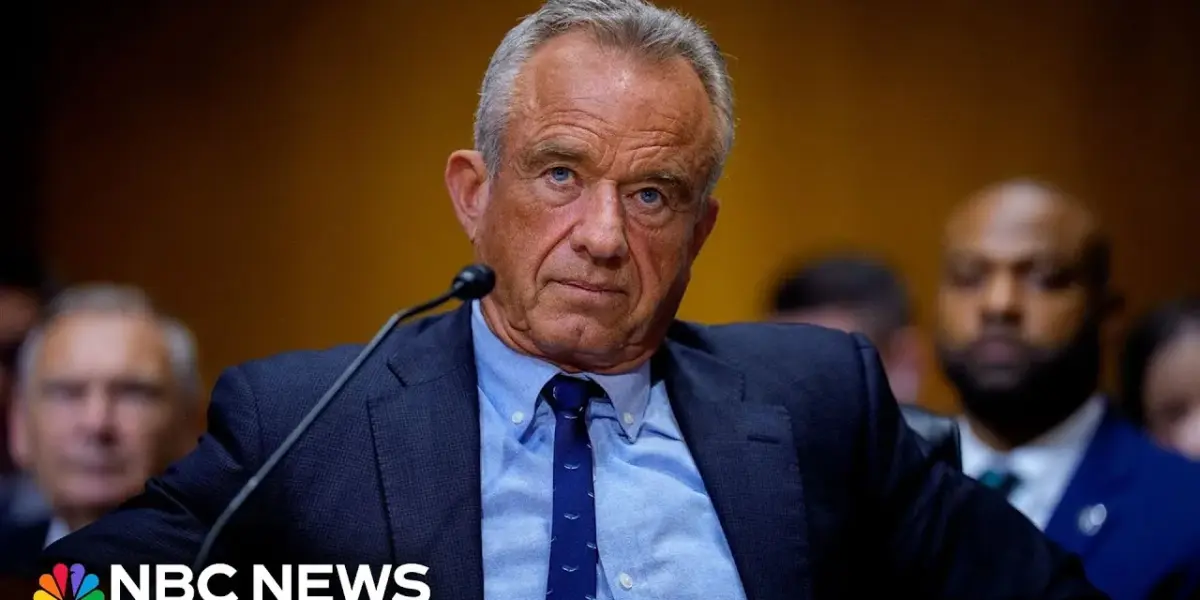
Health Secretary Faces Scrutiny Over HHS Budget and Policies
U.S. Secretary of Health and Human Services (HHS), Robert F. Kennedy Jr., appeared before a House subcommittee hearing to discuss the department’s fiscal year 2027 budget. The hearing, held on [Date of hearing, inferred as recent], quickly became a forum for sharp disagreements between lawmakers regarding the administration’s health care agenda.
Administration Highlights Prevention and Affordability
Secretary Kennedy opened his testimony by outlining the administration’s commitment to making America healthier. He emphasized a focus on prevention, transparency, and accountability as core principles guiding HHS.
The budget proposes strengthening primary care, expanding behavioral health services, and investing in maternal and child health. These steps aim to improve health outcomes and control rising healthcare costs.
Kennedy, a pharmacist by training, shared his firsthand understanding of the challenges patients face. He noted that many people forgo needed care due to cost or system complexity.
The administration’s efforts to increase price transparency and promote competition through measures like bio-similars are intended to create a more functional healthcare marketplace. Modernizing tools like prior authorization was also cited as a way to reduce administrative burdens for both patients and providers.
Rural Health and Program Integrity Emphasized
A significant portion of the discussion focused on rural health, an area of particular concern for many members of Congress. Secretary Kennedy acknowledged the unique challenges faced by rural communities, including provider shortages and hospital closures. He highlighted the proposed Rural Health Transformation Fund, described as the largest investment in rural health in U.S. history, with $50 billion allocated over five years.
The Secretary also stressed the importance of program integrity and the responsible stewardship of taxpayer dollars. Efforts to combat fraud, waste, and abuse in Medicare and Medicaid were presented as essential for protecting these vital programs and maintaining public trust. He stated that every dollar lost to fraud is a dollar that cannot be used for patient care.
Critics Raise Alarms Over Policy Decisions
The hearing was marked by strong criticism from several lawmakers, particularly Ranking Member Representative DeJette. She described the past 15 months as profoundly disturbing for public health, citing a resurgence of measles and challenges in research funding. DeJette expressed concern that the Food and Drug Administration (FDA) is becoming less reliable and more politicized under the current administration.
Specific policy decisions drew sharp rebukes. DeJette criticized Secretary Kennedy for firing expert scientists from the advisory committee on immunization practices and replacing them with ideologues. She also questioned the cancellation of research and development related to mRNA technology and the addition of safety warnings on Tylenol use in pregnancy, despite evidence suggesting its safety compared to untreated fever.
Concerns Over HIV Prevention and Research Funding
Representative DeJette shared personal stories illustrating the impact of the administration’s policies. One story involved a project to increase access to long-acting HIV prevention medication that faced funding terminations and instability, potentially leading to more infections. Another highlighted disruptions to clinical trials, including a trial on pediatric medication therapy management, which was forced to halt enrollment due to funding issues, resulting in lost data.
These incidents, DeJette argued, represent a failure of leadership and vision. She contended that public health fails when decisions are based on ideology rather than evidence, and that the current HHS lacks the confidence of scientists, doctors, and the American people. The Secretary was urged to be a force for improving public health, not dismantling it.
Disagreements on Vaccine Policy and Public Health Messaging
Secretary Kennedy directly addressed criticisms regarding measles prevention and vaccine policy. He stated that the measles epidemic began before his tenure and that most affected individuals made their vaccination decisions prior to his appointment. He presented data suggesting the U.S. has managed the outbreak better than many other countries, including Mexico and Canada, and highlighted global measles cases in Europe.
He also recounted a personal experience at the funeral of a young girl who died from measles within the Mennonite community. Kennedy suggested that the child might have lived if she had received proper treatment, rather than being isolated and shamed. He advocated for treating all sick individuals with compassion, regardless of their vaccination status, and ensuring access to available treatments.
Debate Over Maternal Health and Family Planning Programs
The discussion also turned to maternal health and family planning programs. Representative DeJette questioned Secretary Kennedy about the proposed elimination of the CDC’s Safe Motherhood program, which collects data to prevent maternal deaths. Kennedy confirmed his awareness of the proposed elimination.
Further scrutiny was applied to the proposed elimination of the Title X family planning program. DeJette highlighted that the program provides essential services like contraceptive care to millions of low-income individuals. She questioned the Secretary’s awareness of contraception use rates and its medical benefits beyond pregnancy prevention, and pressed him on the program’s cost-effectiveness, citing studies that indicate significant public savings for every dollar invested.
Looking Ahead: Budget Implementation and Oversight
The hearing concluded with members expressing their intent to continue working with HHS on various priorities, while also emphasizing the need for continued oversight. The coming months will be critical in determining how the proposed budget is implemented and whether the administration can address the concerns raised by critics regarding scientific integrity, public health programs, and healthcare accessibility. The effectiveness of these initiatives will be closely watched by lawmakers and the public alike.
Source: LIVE: Secretary Kennedy testifies at House hearing | NBC News (YouTube)

Related Articles
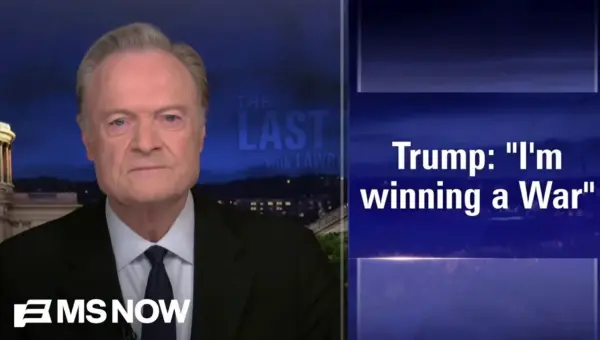
Trump’s Labor Secretary Resigns Amid Misconduct Probe
President Trump's Secretary of Labor, Lori Chavez-DeRemer, has resigned amid an investigation into alleged misconduct. Meanwhile, Robert F. Kennedy Jr. faces scrutiny for controversial remarks, and Trump's aggressive rhetoric towards Iran and his handling of the Iran nuclear deal are criticized.

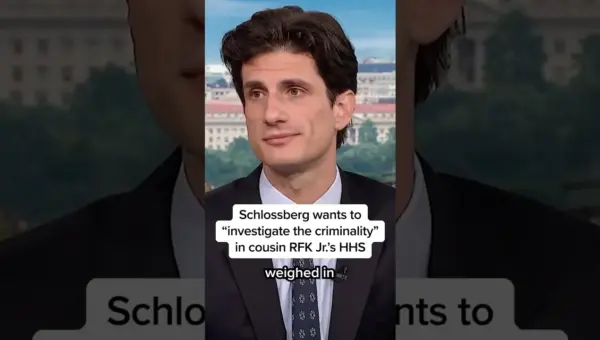
Schlossberg Vows HHS Probe Amid Cousin RFK Jr.’s Leadership
Jack Schlossberg, running for Congress in New York's 12th district, announced his plan to investigate the Department of Health and Human Services (HHS), currently led by his cousin, Robert F. Kennedy Jr. He aims to uncover alleged "criminality" and question who is funding the administration's actions while Americans struggle financially. Schlossberg's pledge highlights his campaign's focus on transparency and government accountability.

Budget Director Stumbles Under Sharp Congressional Questioning
During a recent congressional hearing, Budget Director Russ Vote faced intense questioning from Democratic lawmakers. The focus was on the administration's budget proposals and alleged politically motivated funding decisions. Vote was challenged on claims of economic improvement, accusations of punishing 'blue states,' and significant proposed cuts to research and consumer protection.