Trump’s Early Morning Tweets Spark Global Concern, Mockery
Donald Trump's early morning social media posts, filled with erratic commentary and insults, have drawn widespread criticism and international mockery. While claiming progress on Iran talks, Iran itself reported capturing vessels and highlighted its ability to disrupt global internet cables. This behavior, coupled with historically low approval ratings, has led to China viewing itself as a major beneficiary of U.S. diplomatic missteps.

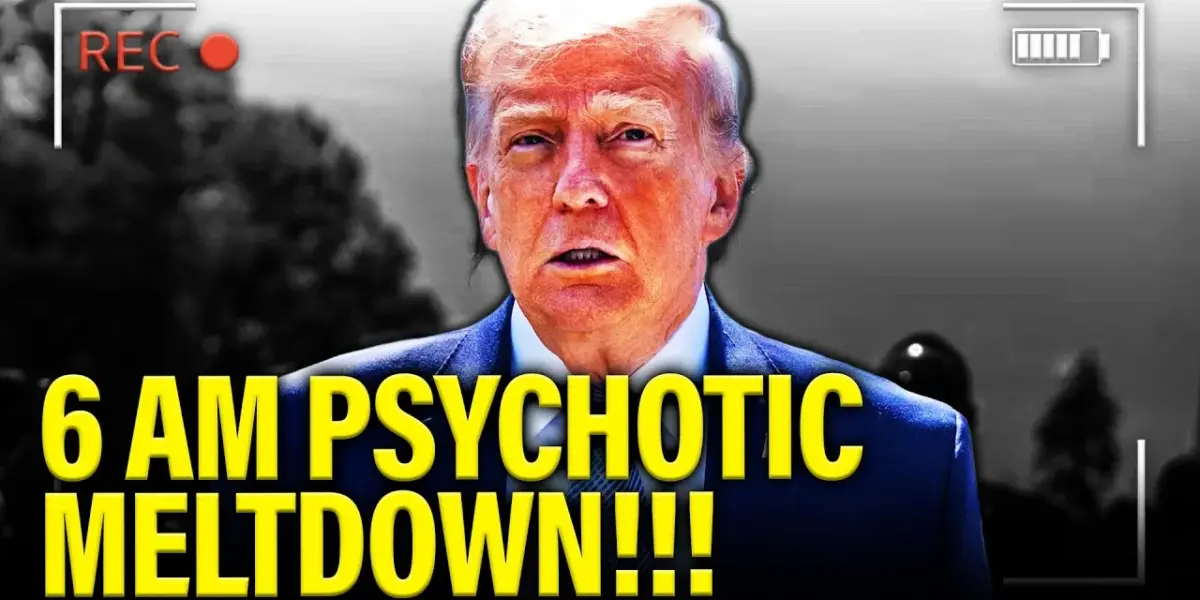
Trump’s Early Morning Tweets Spark Global Concern, Mockery
Donald Trump’s early morning social media activity has drawn sharp criticism and international mockery. Reports detail a series of posts beginning around 3:00 a.m., including questions like “What will happen next?
Some sort of game? Some sick game?” This behavior occurred while the United States was reportedly at war, raising concerns about presidential focus and stability.
Shortly after, Trump called for Senator Mark Kelly to be held accountable, demanding his arrest with multiple exclamation points. This call for a U.S. senator’s arrest at such an early hour adds to the pattern of erratic communication being highlighted.
Iran Talks and Ceasefire Doubts
Around 6:00 a.m., Trump contacted the New York Post with what he called “really good news regarding US Iran talks,” suggesting a deal could be possible by Friday. However, this announcement was met with skepticism, especially given the recent ceasefire deadline and Iran’s refusal to negotiate with his team in Islamabad, Pakistan. Multiple outlets reported that Trump’s own social media posts and misinformation about Iran’s negotiating stance were major obstacles to any progress.
The transcript paints a picture of frustration, comparing the situation to having an “irrational lunatic in the Oval Office.” Critics argue that Trump’s public statements undermine diplomatic efforts and create an environment where rational discussions are impossible.
Attacks on Supreme Court Justice and Historical Context
Later that morning, Trump posted again, questioning how Democrats could dislike the Supreme Court’s decisions. He specifically targeted Supreme Court Justice Katanji Brown Jackson, referring to her as a “low IQ person.” This insult was interpreted as a racist remark, a pattern previously observed when Trump has insulted Black individuals.
The commentary expressed dismay at the prospect of explaining such behavior to law students, emphasizing the need to never normalize such rhetoric from a national leader. Trump also reportedly expressed displeasure with the Supreme Court’s decision to overturn his “unlawful tariffs,” which would require a refund of $159 billion.
Unprecedented Low Approval Ratings
The article points to Donald Trump’s consistently low approval ratings as evidence of widespread dissatisfaction. His approval stands at 33% in the latest AP Norc poll, with his handling of the economy at a mere 30%. These numbers are described as “unprecedented territory” and indicative of a need for resignation.
The author suggests that a more robust and independent media would create overwhelming pressure for Trump and his administration to step down daily. The lack of consistent critical coverage in corporate media is seen as a failure to reflect the true depth of public disapproval.
Iran’s Actions Amidst Trump’s Statements
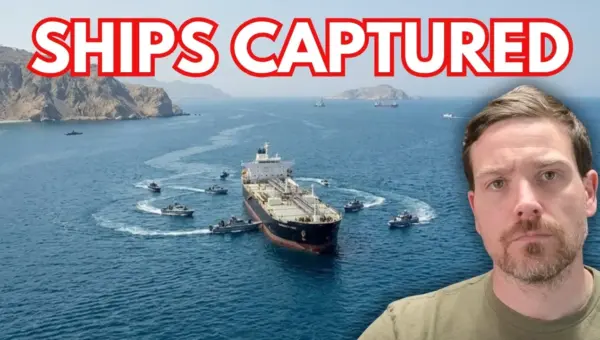
While Trump claimed positive developments in Iran talks, objective news painted a different picture. The Iranian Navy reported capturing two vessels in its territorial waters for attempting to pass through the Strait of Hormuz without permission. This action directly contradicted Trump’s earlier claims about Iran’s naval capabilities.
Iranian state media highlighted the vulnerability of undersea internet cables in the Strait of Hormuz. They suggested that cutting these cables could disrupt the digital economy for large parts of the world, presenting a significant threat to global connectivity.
Global Mockery and Shifting Alliances
Iranian social media accounts were reportedly mocking Trump’s ceasefire extensions and negotiation tactics. This mockery extended to China, where social media influencers openly questioned Trump’s credibility and relevance on the global stage.
CNN reported that Chinese influencers viewed China as the biggest winner in the ongoing situation, questioning why Trump would visit Beijing without credibility. The shift towards the Chinese yuan as a potential currency for oil sales, and China’s dominance in green energy, signals a broader global economic realignment away from U.S. influence.
Domestic Disarray and Republican Priorities
The transcript also touches on perceived disarray within the Trump administration, citing a report about a counterterrorism official under investigation for seeking financial support. It mentions various bills introduced by Republicans, such as proposals to carve Trump’s face into Mount Rushmore or rename airports in his honor.
These legislative priorities are contrasted with more serious international and domestic challenges. The article also references testimony about how U.S. actions and rhetoric have negatively impacted relations with Canada, leading to boycotts of American products.
Why This Matters
This analysis highlights the potential consequences of a leader’s public statements, especially during sensitive geopolitical moments. The contrast between Trump’s claims and the reported actions of Iran, along with the international ridicule he faces, suggests a significant erosion of diplomatic leverage and national standing.
The situation also points to a growing global shift in economic and political power, with China positioning itself as a more stable alternative. The author’s strong criticism highlights a desire for responsible leadership and a concern that Trump’s behavior is damaging the country’s reputation and ability to engage effectively on the world stage.
Implications and Future Outlook
The events described suggest a challenging future for U.S. foreign policy, particularly concerning Iran and its allies. The potential disruption of global internet infrastructure by Iran represents a new and serious threat. The growing economic influence of China and its potential to challenge the U.S. dollar’s dominance in oil trade are significant trends.
Domestically, the article implies a deep division and a concern that political priorities are misaligned with national needs. The author’s call for resignation and the emphasis on public opinion suggest a desire for accountability and a return to more traditional forms of political discourse.
The next steps in U.S.-Iran relations and the ongoing economic competition with China will be critical to watch. The author’s platform, Midas Plus, offers daily recaps and exclusive content for those seeking deeper engagement with these issues.
Source: Trump has 6 AM MELTDOWN as he SURRENDERS in WAR!!! (YouTube)

Related Articles

Trump’s Unpopularity Hurts GOP Ahead of Midterms
Donald Trump's declining approval ratings are emerging as a significant challenge for the Republican Party heading into the midterm elections. Analysts suggest his unpopularity could cost GOP candidates, as voter frustration grows and Democratic enthusiasm rises. Despite internal party fears, many Republicans remain hesitant to distance themselves from the former president.
Trump’s Iran Stance Shifts Repeatedly Amid War
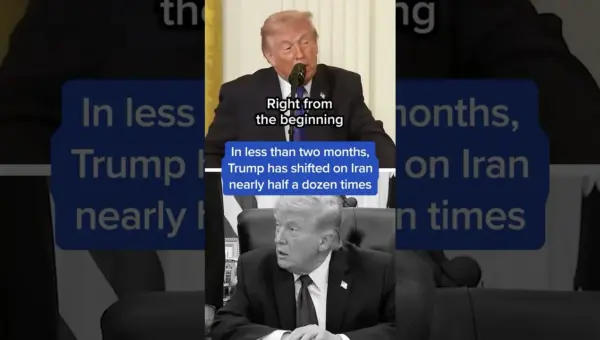
President Donald Trump's stance on the ongoing war in Iran has shifted nearly half a dozen times in under two months, creating confusion about U.S. objectives. Analysis from MS NOW highlights the inconsistency in his public statements regarding the conflict's aims. These repeated changes raise questions about U.S. foreign policy reliability and the strategy in the region.

Iran Escalates Conflict, Seizes Ships in Hormuz Strait
Iran has escalated tensions by seizing two ships and firing on a third in the Strait of Hormuz. This action comes amid conflicting reports about the effectiveness of U.S. sanctions and a complex diplomatic dance between the two nations. The incident raises concerns about regional stability and global shipping.