Trump’s Iran Stance Shifts Repeatedly Amid War
President Donald Trump's stance on the ongoing war in Iran has shifted nearly half a dozen times in under two months, creating confusion about U.S. objectives. Analysis from MS NOW highlights the inconsistency in his public statements regarding the conflict's aims. These repeated changes raise questions about U.S. foreign policy reliability and the strategy in the region.

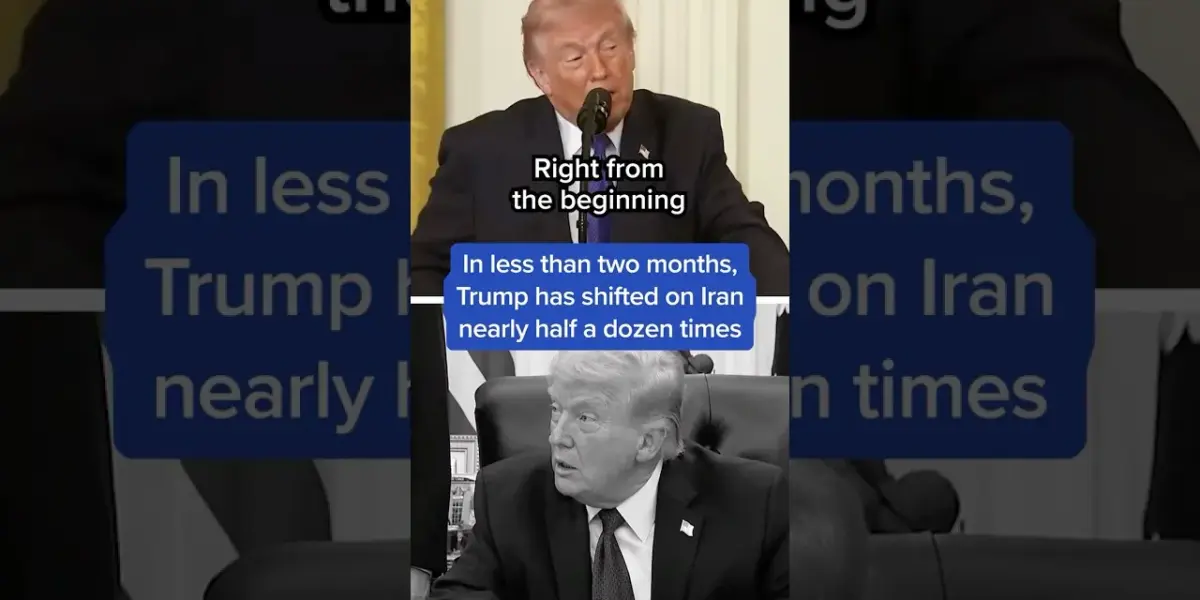
Trump’s Shifting Stance on Iran War Revealed
As the conflict in Iran continues into its eighth week, President Donald Trump has repeatedly changed his public statements regarding the war’s objectives. These shifts have created confusion and raised questions about the administration’s strategy and goals in the region. MS NOW’s JM Rieger has detailed these evolving positions, highlighting nearly half a dozen changes in Trump’s approach within a two-month period.
Conflicting Declarations on War Aims
President Trump’s public remarks have shown significant divergence from his earlier statements about the purpose of military involvement in Iran. Initially, the focus seemed to be on specific actions or threats, but the declared aims have broadened and narrowed at different times. This inconsistency makes it difficult for both the public and international allies to understand the administration’s long-term vision for the conflict.
For example, one week the administration might emphasize a goal of deterring a particular threat, while the next week the objective could be described as a broader effort to change the regime’s behavior. These shifts are not minor adjustments but substantial changes in the declared purpose of U.S. military engagement.
Analysis of Trump’s Statements
JM Rieger’s breakdown from MS NOW points to a pattern of evolving rhetoric surrounding the Iran conflict. The analysis suggests that these changes may be driven by various factors, including domestic political considerations, reactions to unfolding events on the ground, or evolving advice from national security teams. Understanding these shifts is crucial for grasping the complexities of U.S. foreign policy.
The frequent changes create a challenge for diplomatic efforts. Allies may hesitate to commit resources or support if they perceive a lack of clear and consistent objectives from the United States. This ambiguity can weaken the coalition’s overall strength and effectiveness in dealing with the situation in Iran.
Specific Instances of Policy Changes
While the transcript does not provide specific dates or exact quotes for each of the nearly half a dozen shifts, it clearly indicates a dynamic and fluid policy approach. These changes could range from statements about the desired end state of the conflict to specific conditions under which U.S. forces might withdraw or escalate their involvement. Each shift represents a potential recalibration of U.S. foreign policy objectives.
The lack of a fixed, publicly stated goal can also lead to misinterpretations by adversaries. If Iran is unsure of what specific actions would prompt a U.S. response or de-escalation, it could lead to miscalculation on their part. This uncertainty, while sometimes intended as a strategic tool, can also increase the risk of unintended conflict.
Broader Implications for U.S. Foreign Policy
The repeated alterations in President Trump’s messaging on Iran have significant implications beyond the immediate conflict. Such inconsistency can erode trust in U.S. foreign policy commitments among allies and partners worldwide. It raises concerns about the predictability and reliability of American leadership on the global stage.
These shifts can impact domestic political discourse, potentially creating divisions within the country regarding the necessity and goals of military intervention. A clear and consistent foreign policy is often seen as a sign of strong leadership, and frequent changes can be interpreted as a sign of indecisiveness or internal disagreement.
What to Watch Next
Moving forward, observers will be closely watching for any further changes in President Trump’s rhetoric regarding the Iran conflict. The administration’s next public statements and actions will be critical in determining whether a more stable and clearly defined strategy emerges. The international community will also be looking for signs of consistency that could help de-escalate tensions and provide a clearer path toward resolution.
Source: In less than two months, Trump has shifted on Iran nearly half a dozen times (YouTube)

Related Articles

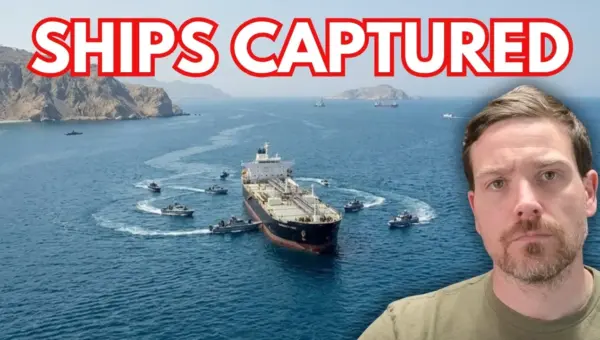
Iran Escalates Conflict, Seizes Ships in Hormuz Strait
Iran has escalated tensions by seizing two ships and firing on a third in the Strait of Hormuz. This action comes amid conflicting reports about the effectiveness of U.S. sanctions and a complex diplomatic dance between the two nations. The incident raises concerns about regional stability and global shipping.
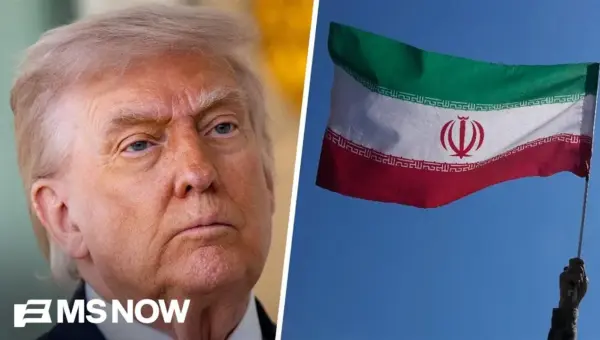
McFaul: Trump’s Impatience Hinders U.S. Iran Negotiations
Former Ambassador Michael McFaul stated that President Trump's impatience is damaging U.S. negotiation efforts with Iran. Following Iran's seizure of vessels in the Strait of Hormuz, McFaul criticized Trump's public threats, advocating for lower-level talks and a focus on mutual interests rather than trust.

Red State GOP Leaders Resist Trump’s Grip
Red state Republican lawmakers are pushing back against Donald Trump's influence, particularly concerning redistricting. Indiana Republicans refused Trump's demands to redraw maps, fearing it would hurt their party. This signals a growing pragmatism among state GOP leaders prioritizing voter sentiment over loyalty to Trump.