Iran Talks Loom as US Blocks Ports, Demands Nuclear Ban
The U.S. is signaling potential talks with Iran, but only if the regime abandons its nuclear ambitions. Meanwhile, a U.S. blockade of Iranian ports aims to cut off the nation's ships, underscoring a dual strategy of pressure and diplomacy.

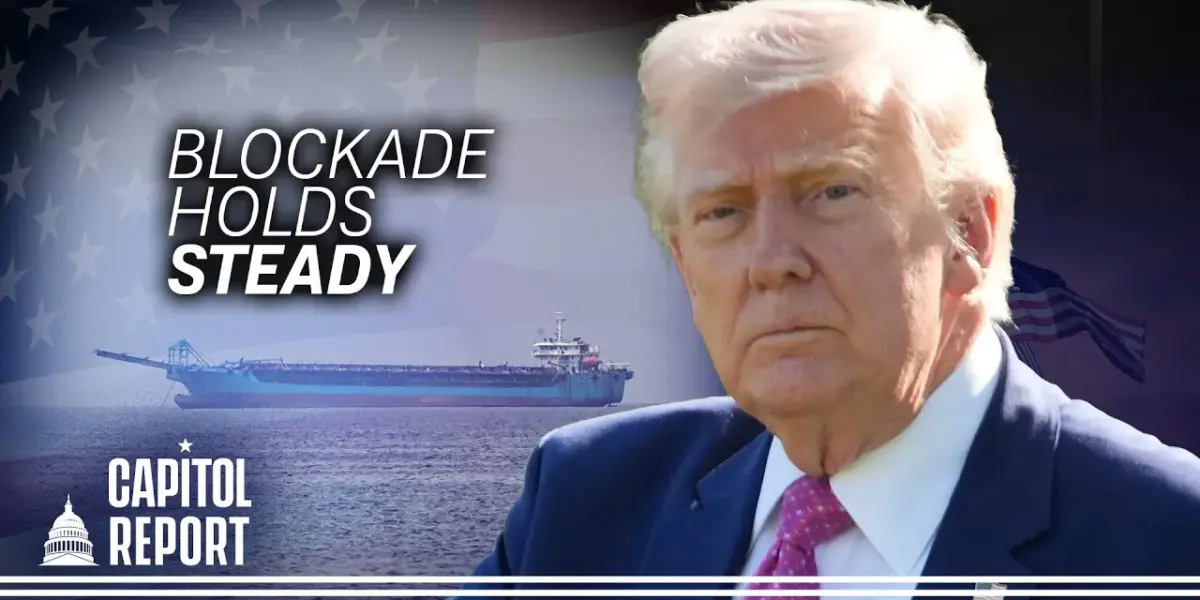
US Tightens Grip on Iran Amid Nuclear Standoff
The United States is taking a firm stance against Iran, hinting at potential talks while simultaneously enforcing a blockade of Iranian ports. President Trump has suggested that negotiations with the Iranian regime could happen in Islamabad, Pakistan, within the next two days. He stated that Iran has reached out, expressing a strong desire to reach a deal.
However, the U.S. position remains unwavering: Iran must not possess a nuclear weapon. “Iran agreed there’s no deal. There’ll never be a deal. Iran will not have a nuclear weapon and we’re going to get the dust back,” President Trump declared. He added that the U.S. would either retrieve any nuclear materials or take them by force.
Blockade Aims to Cut Off Iranian Ships
This diplomatic pressure is backed by a significant military action. The U.S. military is now blockading ships entering and leaving Iranian ports. This mission involves over 10,000 U.S. sailors, Marines, and airmen, supported by more than a dozen warships and numerous aircraft. During the first 24 hours, no ships managed to pass the blockade, and six merchant vessels were directed to turn back towards Iranian ports.
Vice President Pence has characterized Iran’s actions as “economic terrorism.” He stated that if Iran continues this path, no Iranian ships will be allowed to depart either. The U.S. believes it holds the military and economic advantage, particularly through the blockade of oil leaving the Strait of Hormuz. The Vice President emphasized that the ball is in Iran’s court, stating, “We must have the enriched material out of Iran. We must have their conclusive commitment to not develop a nuclear weapon. If they’re not willing to meet us there, that’s up to them.”
The blockade applies to vessels of all nations going to or from Iranian ports. This action is seen by some as removing Iran’s ability to hold global economies hostage. The underlying concern is preventing a regime with a “finger on the nuclear button” from acquiring nuclear weapons.
Broader Regional Diplomacy Efforts
In parallel, the U.S. is also involved in other significant diplomatic efforts. Secretary of State Marco Rubio recently hosted direct peace talks between Israel and Lebanon in Washington. This meeting, a historic event in decades, aims to establish a framework for lasting peace. Discussions focused on a ceasefire and the disarmament of Hezbollah, an organization seen as inflicting damage on the region and the Lebanese people themselves.
The U.S. views the Lebanese people as victims of both Hezbollah and Iranian aggression, highlighting the need for this influence to cease. This broader diplomatic push underscores a strategy of addressing regional instability through negotiation and pressure.
Domestic Political Considerations: FISA
On the domestic front, President Trump is urging Congress to renew FISA Section 702, a law set to expire soon. Despite his past claims of being a victim of illegal FISA abuses during elections, the President now considers the law vital for national security. He has spoken with military leaders who reportedly view it as essential, especially given current operations. This highlights the complex balancing act between domestic political concerns and national security imperatives.
Why This Matters
The current situation with Iran is a critical juncture in international relations. The U.S. is employing a dual strategy of intense economic pressure and diplomatic engagement, aiming to prevent Iran from acquiring nuclear weapons. The blockade of Iranian ports is a significant escalation, signaling a strong resolve to enforce U.S. demands. This approach, if successful, could reshape regional security dynamics and prevent a major global crisis.
Implications and Future Outlook
The success of these U.S. actions hinges on Iran’s response. If Iran complies with U.S. demands, it could lead to a de-escalation of tensions and a more stable Middle East. However, if Iran resists, the situation could escalate further, potentially leading to more direct conflict. The U.S. blockade, while aimed at pressure, also carries the risk of unintended consequences, such as impacting global oil markets or provoking a wider regional conflict.
The simultaneous diplomatic efforts with Israel and Lebanon suggest a broader U.S. strategy to counter Iranian influence by fostering regional stability through other means. The renewal of FISA Section 702 also points to the administration’s focus on intelligence gathering and national security tools, even amidst political controversy.
Historical Context
The U.S.-Iran relationship has been fraught with tension since the 1979 Islamic Revolution. The issue of Iran’s nuclear program has been a central concern for decades, leading to international sanctions and diplomatic efforts. The 2015 Joint Comprehensive Plan of Action (JCPOA) aimed to curb Iran’s nuclear activities in exchange for sanctions relief, but the U.S. withdrew from the deal in 2018. Since then, tensions have steadily increased, with actions like the recent port blockade representing a significant escalation in the ongoing standoff.
Source: US, Iran May Resume Talks Over Next 2 Days, Trump Says (YouTube)

Related Articles

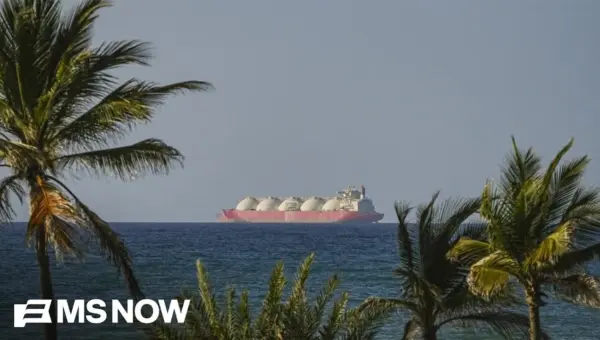
US Tightens Grip on Iran: Blockade Continues, Troops Surge
The U.S. has initiated a naval blockade of Iranian ports, deploying thousands of additional troops to the Middle East to increase economic pressure. Meanwhile, diplomatic efforts are underway with the start of Lebanon-Israel ceasefire talks, occurring amidst significant civilian casualties and ongoing regional tensions.
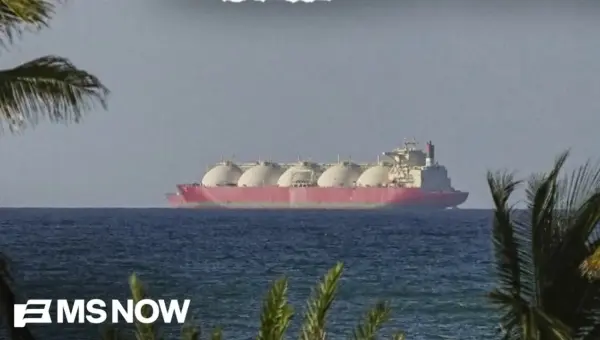
US Blockade Tightens on Iran; Peace Talks Show Glimmers of Hope
The United States military has implemented a three-day blockade of Iranian ports as part of an economic pressure campaign. While official reports indicate success in turning away ships, some vessels have reportedly tested the waters. Meanwhile, diplomatic efforts are underway, with President Trump suggesting the conflict is nearing an end, though significant hurdles remain.
US Blockade Tightens Grip: Iran Faces Painful Economic Squeeze
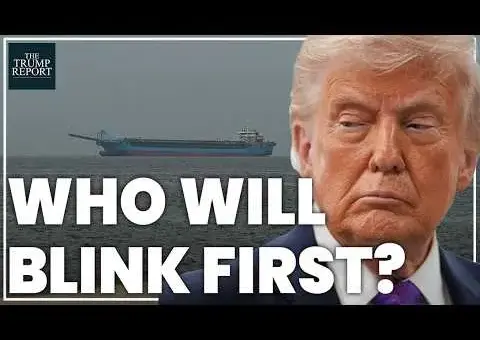
The Strait of Hormuz is a critical shipping lane now under a complex U.S. naval blockade targeting Iranian oil exports. While the U.S. aims to squeeze Iran economically, Tehran's high pain tolerance and control over escalation present significant challenges. The situation risks global trade disruption and economic shocks.