China Slams US Blockade of Hormuz Strait
China has accused the US of being 'irresponsible and dangerous' following the US Navy's blockade of the Strait of Hormuz. This action threatens to cut off oil shipments vital to China's economy, impacting millions of jobs and potentially raising global energy prices.

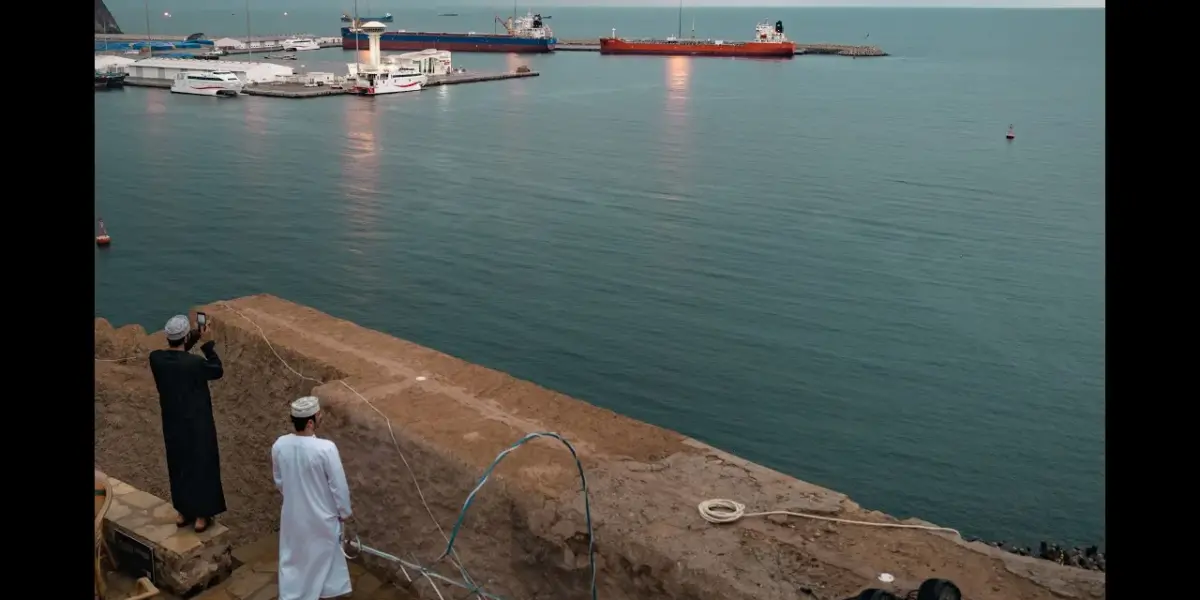
China Slams US Blockade of Hormuz Strait
The United States has officially started blocking ships in the Strait of Hormuz. This action specifically targets vessels that interact with Iran.
This move has put China, Iran’s largest oil buyer, on high alert. On Monday, Beijing strongly criticized Washington’s blockade, calling it “irresponsible and dangerous.” This statement comes as tensions between Beijing and Washington continue to rise, partly due to China’s alleged military support for Iran.
For the first 24 hours of the US blockade, no ships were allowed to pass through the Strait of Hormuz. The US announced a significant military operation in this vital waterway earlier on Tuesday. The blockade is designed to stop any ship entering or leaving Iranian ports, as well as those that pay transit fees to Iran.
This action directly threatens Iran’s oil shipments, which are its main source of income. Most of these oil exports go to China.
How China is Affected
China affairs analyst Win Zhao explained how this US blockade severely impacts China. During the blockade, China would be unable to purchase any oil from Iran. This situation could even cut off oil supplies from nearby countries like the UAE or Saudi Arabia.
Any ship paying transit fees to Iran while passing through the strait could be stopped by US forces. Essentially, China’s oil imports from the Persian Gulf region would be completely cut off.
China has officially opposed the US blockade and called for de-escalation. However, they stopped short of fully supporting Iran, especially after peace talks failed.
Oil shipments passing through the Strait of Hormuz make up nearly half of China’s total oil imports. This disruption has already caused gasoline prices in China to jump by about 11% since the conflict began.
Economic Impact on China
The rising oil prices are impacting tens of millions of jobs in China’s chemical and related industries. This comes at a time when China is already struggling with lingering deflation. China’s chemical and refining sectors alone employ about 7 to 10 million people.
When you include the broader supply chain, logistics, sales, and processing, this number rises to 20 to 30 million jobs. This sector is even larger than the real estate industry in terms of employment.
Rising energy costs are affecting China’s economy across the board. This includes its chemical exports, which are a significant part of its trade.
Win Zhao also highlighted that finding new oil suppliers is not a simple solution. Even increasing oil purchases from Russia faces challenges due to existing pipeline limitations.
US-China Relations Under Strain
At the same time, US-China relations are facing serious difficulties. President Trump had previously warned China that it could face heavy penalties, including 50% tariffs, if caught supplying weapons to Iran. Some China analysts believe that President Trump might delay a meeting with Chinese President Xi Jinping until the conflict in Iran is resolved.
Why This Matters
The US blockade of the Strait of Hormuz is more than just a regional conflict. It directly affects global energy markets and the economies of major world powers.
For China, a nation heavily reliant on imported oil, this blockade poses a significant threat to its economic stability and industrial output. The disruption could lead to widespread job losses and further economic slowdowns, impacting millions of workers and numerous industries.
This situation also highlights the delicate balance of power and influence in the Persian Gulf. The US action, aimed at pressuring Iran, has created a ripple effect that is straining international relations, particularly between the US and China. The interconnectedness of global trade means that actions taken in one region can have far-reaching consequences for economies and political relationships worldwide.
Historical Context and Background
The Strait of Hormuz has long been a crucial chokepoint for global oil trade. For decades, nations have sought to ensure its free flow, as any disruption can send shockwaves through the global economy.
The US Navy’s presence and operations in the region are a part of its long-standing security commitments. However, the specific nature of this blockade, targeting ships interacting with Iran, represents an escalation of tactics.
This event also fits into a broader pattern of geopolitical tensions between the US and China. Both nations are vying for influence on the global stage, and their economic and military policies often clash. Allegations of military support between China and Iran add another layer of complexity to these already strained ties.
Implications, Trends, and Future Outlook
The immediate implication of this blockade is a potential rise in global oil prices and increased economic pressure on China. In the longer term, it could push China to accelerate its efforts to diversify its energy sources and reduce its reliance on the Persian Gulf. This might involve increased investment in domestic energy production, renewable energy, or securing new supply routes from other regions.
The trend towards greater economic competition and potential decoupling between the US and China is likely to continue. This incident highlights the risks associated with geopolitical instability, particularly for economies heavily dependent on international trade. The future outlook suggests a continued need for careful diplomacy and strategic planning by all parties involved to prevent further escalation and mitigate economic fallout.
Source: China Accuses US for Being 'Irresponsible' as US Blockade of Hormuz Strait Continues (YouTube)

Related Articles
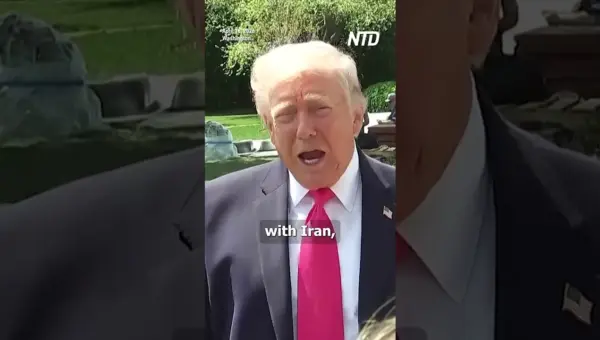
Trump Signals Iran Deal Talks Could Happen This Weekend
President Trump indicated that in-person talks with Iran could occur this weekend, expressing optimism for a "good deal" focused on preventing nuclear weapons. He linked diplomatic progress to positive economic signs like a strong stock market and falling oil prices.


Eight Eurasian Nations Reshape Global Power Balance
Eight Eurasian nations—Armenia, Azerbaijan, Hungary, Kazakhstan, Mongolia, Pakistan, Turkey, and Uzbekistan—are emerging as crucial 'swing states' in a shifting global power balance. These middle powers are strategically navigating relationships with the US and China, influencing international dynamics. Experts suggest China may be most effectively building influence through economic ties.

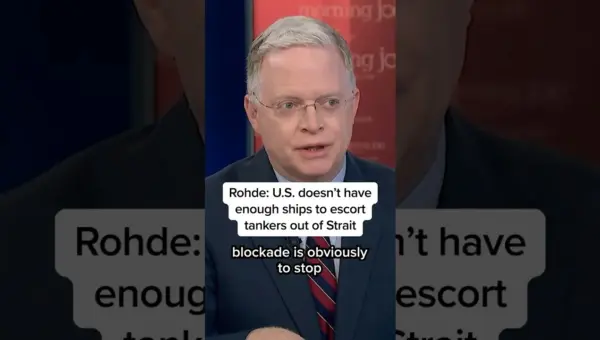
US Navy Lacks Ships to Secure Oil Tankers in Hormuz
A recent Pentagon briefing reveals the U.S. Navy lacks sufficient ships to escort oil tankers through the Strait of Hormuz. Senior National Security Reporter David Rohde highlighted this critical shortage, which could impact global energy prices and regional stability. The situation points to challenges in maintaining naval capacity for vital global security missions.