LG’s Wild Rollable Phone: A Glimpse of What Could Have Been
LG's unreleased rollable smartphone, obtained by Dbrand, offers a stunning glimpse into what could have been. The device seamlessly expands from a 6.7-inch phone to a 7.4-inch mini-tablet with a unique rolling mechanism. Despite its innovative features and polished software, the phone never saw a commercial release due to LG's exit from the smartphone market.

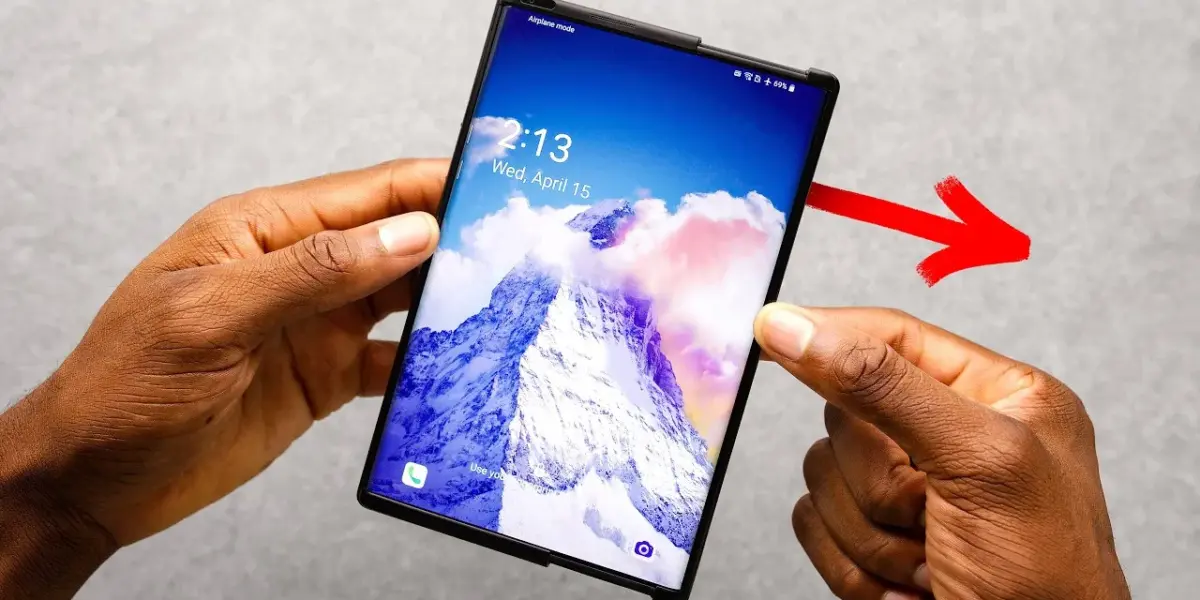
LG’s Rollable Dream: A Phone That Unfurls Like Magic
LG is gone from the smartphone world, but before they left, they had one last, mind-blowing idea. Thanks to Dbrand, we’re getting a look at what might have been their craziest device ever: a rollable smartphone. This phone, which was never officially released, shows just how much innovation LG was capable of, even as their mobile business struggled.
From Wing to Roll: LG’s Quest for Innovation
LG was known for taking risks. Remember the LG Wing? It was a phone with a second, smaller screen that swiveled out to create a T-shaped display. Or the G8X, which offered a dual-screen experience with a special case when foldable phones were just starting. These devices were packed with engineering marvels, trying to offer unique features at different price points. Sadly, these bold moves weren’t enough to keep the company afloat, and LG shut down its mobile division in 2021.
The Rollable Concept: A Seamless Expansion
Now, fast forward to 2026, and we have the LG rollable phone in hand. It starts as a normal-looking 6.7-inch smartphone. But with a simple three-finger swipe, the display expands outwards, rolling open to become a larger, more square 7.4-inch mini-tablet. It’s like unrolling a scroll, transforming from a compact device to a bigger screen on demand. The transition is accompanied by a sound effect, intended to mask the whirring of internal motors, though the effect is more humorous than effective.
Ingenious Design, Hidden Display
The genius of this design lies in how it hides the extra screen. When closed, the display seems to bend over the edges, similar to older curved Samsung phones. But the extra display is actually tucked away behind a rail on the side. Flip the phone over, and you can see the rest of the screen curving around the back, made of clear glass. This allows for software tricks, like displaying notifications or even showing the camera UI on the back so you can use the main cameras for selfies. This design echoes the Xiaomi Mi Mix Alpha, another concept phone that featured an all-screen design.
Buttons and Biometrics: A New Approach
Because the sides are occupied by the rolling mechanism and rails, traditional buttons are absent. Instead, the volume controls are pressure-sensitive areas on the left side. The power button, which also serves as the fingerprint sensor, is located on the back, just below the cameras. While it might seem unusual at first, it’s surprisingly easy to reach.
Software Flourishes: Making it Feel Complete
What truly shows how far LG got with this project are the software details. The lock screen features a beautiful animation of a flower blooming as the screen expands and shrinking back down as it closes. The settings app also has a neat slide-over animation that adds or removes a column as the screen size changes. These touches make the device feel polished and almost ready for release.
Quick Observations: The Little Things That Matter
- Motor Power: The motors are surprisingly strong. The phone can push a 16-inch MacBook Pro and will even resist attempts to close it manually. If squeezed too hard when closing, it can trigger a self-protection mechanism, flashing an error message.
- Pinch Potential: While your fingers are likely safe, the phone can pinch smaller objects, like microfiber cloths, as it closes.
- Durability Concerns: It’s unlikely this phone would have been water or dust resistant. Visible gears and air gaps, along with the exposed flexible display, suggest it wouldn’t hold up well to the elements.
- Sound Options: You can choose different sounds to mask the motor noise, or turn the sound off completely, revealing the motor’s actual sound.
- The Crease: While there’s less of a crease than on typical folding phones, it’s not entirely absent. The larger radius of the roll creates a slight waviness in the display, most noticeable when the screen is off.
Under the Hood: Impressive Engineering
Digging into the settings reveals some specs like a 4500 mAh battery and 12GB of RAM. However, the real story is the internal engineering. Dbrand’s acquisition of the device allowed Zack at JerryRigEverything to take it apart, revealing a complex system with two motors and multiple spring-loaded arms working together to make the screen roll. It’s a testament to LG’s dedication to pushing boundaries.
LG’s Legacy: A Vision Unfulfilled
We’ll never know the official name or price of this rollable phone, but it’s clear LG was incredibly close to launching it. They had functional hardware, working software, and unique features. Sadly, they just didn’t survive long enough to bring it to market. While LG is gone, their spirit of innovation lives on, and rumors suggest Samsung might be working on its own rollable smartphone. We’ll have to wait and see if that device ever materializes.
Source: The Unreleased Rollable Smartphone! (YouTube)

Related Articles

Tecno’s Magnetic Modularity: A Glimpse of the Future?
Tecno has unveiled a groundbreaking magnetic modular phone concept, featuring a super-slim design and a versatile ecosystem of stackable accessories. While not slated for release, it offers a compelling vision for future smartphone innovation.


Samsung’s Galaxy S26 Ultra Privacy Display Unveiled
Samsung's upcoming Galaxy S26 Ultra may feature an innovative 'Privacy Display' technology, using dual-pixel technology to limit viewing angles. With extensive software controls for activation, this feature promises enhanced security for sensitive data on the go.


Galaxy S26: AI Photo Editing Crosses Dangerous Lines
Samsung's new Galaxy S26 series introduces a groundbreaking privacy display but sparks controversy with its advanced AI photo editing features. Critics warn that the ability to add or alter elements in photos blurs reality and could enable dangerous misuse.