Russia Accuses NATO States of Drone Attacks
Russia has accused Estonia, Latvia, Lithuania, and Finland of aiding Ukrainian drone strikes by allowing their airspace to be used. Senior Russian official Nikolai Patrushev claimed these actions constitute direct NATO involvement. Meanwhile, Hungary's political shift offers a potential pathway for crucial EU aid to Ukraine, though challenges remain.

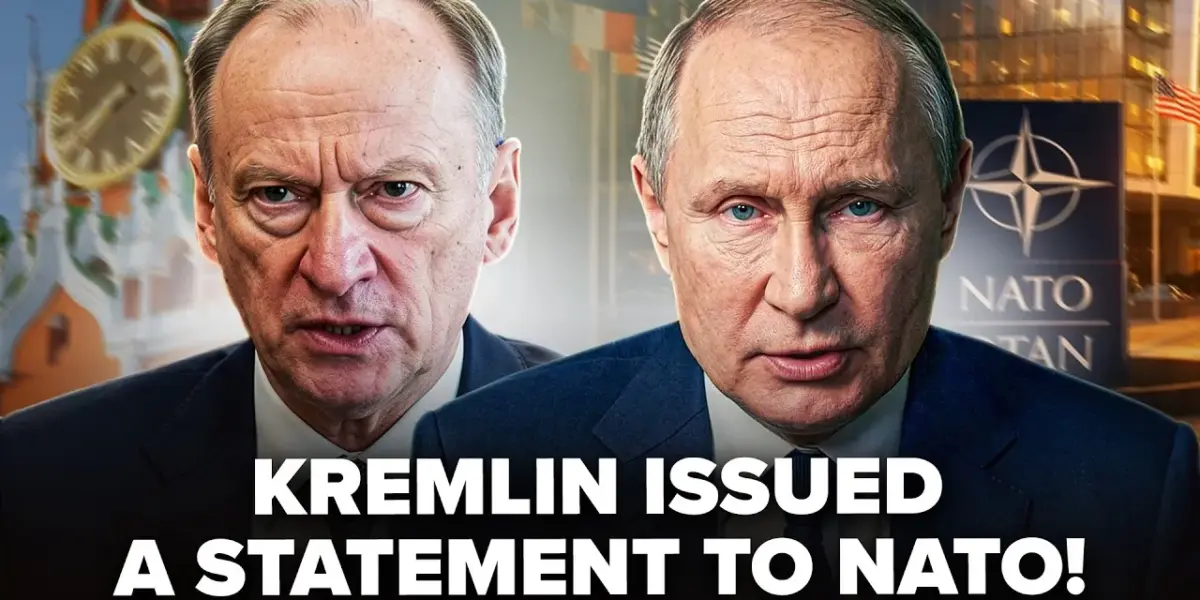
Russia Accuses NATO States of Drone Attacks
Senior Russian official Nikolai Patrushev has accused Estonia, Latvia, Lithuania, and Finland of direct involvement in Ukrainian drone strikes on Russian territory. This claim, if followed by Moscow’s logic, suggests a potential escalation of the conflict and direct NATO involvement.
Patrushev, a key advisor to President Putin and former head of Russia’s FSB intelligence agency, stated that Ukrainian drones are using NATO airspace to attack Russian ports. He alleged that these Baltic states and Finland are aiding Ukraine in these strikes.
Claims of NATO Airspace Use
According to Patrushev, Ukrainian drones cannot reach key Russian targets, including ports in the Leningrad region and commercial shipping, without assistance from NATO countries. He pointed to reports of SMS alerts about drone activity in Estonia and the discovery of downed drones in Finland as evidence. Patrushev also criticized Finland for not demanding Ukraine cease such attacks.
The Institute for the Study of War (ISW) suggests these statements might be an effort by Russia to justify potential future operations within NATO airspace. ISW analysts believe Russia is using this rhetoric to prepare the ground for aggressive actions, possibly violating the airspace of Finland and the Baltic states. Moscow could then frame such actions as a response to the alleged use of their airspace by Ukrainian drones.
Economic Pressure on Russia
Meanwhile, Russia’s economy faces significant pressure. Western sanctions are estimated to cost the country over $136 billion by 2030. A report from Latvia’s constitutional protection bureau indicates that sanctions have already dealt a serious blow to Russia’s financial and industrial capabilities.
Key export sectors have seen sharp declines: iron ore exports are down 40%, wood and cellulose by 50%, chemicals by 35%, and metals by 20%. These sectors are unlikely to recover lost volumes for at least five years. While energy price spikes might offer temporary relief, they do not address deeper economic problems.
Intelligence officials note a growing gap between economic reality and official Kremlin messaging, with Putin potentially being shown a distorted picture that prioritizes territorial control over economic losses. Sanctions remain a key tool for limiting Russia’s financial resources.
Hungary’s Political Shift and EU Aid
In Europe, political changes in Hungary following Victor Orban’s electoral setback present a new opportunity to unlock 90 billion euros in aid for Ukraine. While Orban’s opposition has shifted, the 90 billion euro package is not yet guaranteed. The process could be slowed by Slovakia’s stance and internal EU procedures.
Hungary’s incoming Prime Minister, Peter Magyar, has signaled a willingness to unblock decisions previously vetoed by Orban. However, he seeks assurances that Hungary will not have to contribute to the package from its own budget, a point that may require further political talks. Magyar has also described Russia as a direct threat to Europe’s security, criticizing past contacts between Hungarian and Russian officials.
Slovakia’s Potential Resistance and EU Relations
Slovakia, under Prime Minister Robert Fico, could emerge as another source of resistance to the aid package. Bratislava’s position is partly linked to Russian oil supplies, which it may use as leverage. Despite these challenges, Ukraine is believed to have short-term financial resilience, though the EU loan is crucial for medium-term stability.
Russia, meanwhile, has downplayed Orban’s defeat, with Kremlin spokesperson Dmitry Peskov calling Hungary an unfriendly country due to its support for sanctions against Russia. Russia’s foreign minister, Sergey Lavrov, stated Moscow is ready to build relations with Hungary’s new government based on its national interests.
Loss of an Ally and EU Funding for Hungary
Analysts suggest Russia is losing a key ally in Europe with Orban’s departure, as he consistently opposed EU support for Ukraine. The Kremlin’s current messaging aims to minimize this loss while projecting confidence. The European Commission is engaging with Magyar’s team, expecting steps to improve relations and unlock around 35 billion euros in frozen EU funds for Hungary.
The release of these funds depends on Hungary meeting EU demands regarding the rule of law, anti-corruption measures, and rebuilding trust. This includes fulfilling 27 conditions and reversing policies that breach EU rules. Hungary also faces potential fines for failing to comply with EU rulings on asylum policy, costing nearly 900 million euros deducted from its EU budget share.
Venice Biennale and Russian Participation
Separately, the European Commission has threatened to freeze 2 million euros in funding for the Venice Biennale over the reopening of the Russian pavilion. This action follows Russia’s renewed presence at the prominent art exhibition. Organizers have 30 days to clarify their position, or the Biennale risks losing significant grant funding.
Source: 😱Kremlin lashed out at NATO! Putin made a harsh statement. Russia has lost an important ally (YouTube)

Related Articles

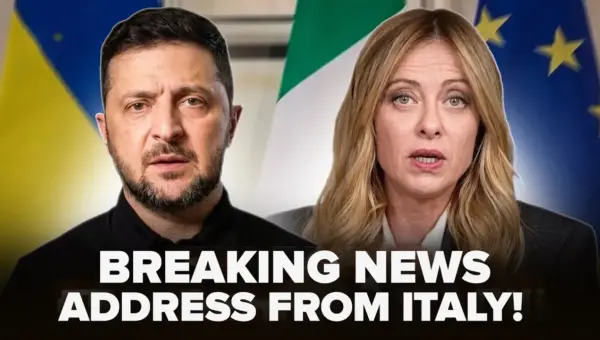
Italy, Ukraine Forge Defense Pact on Drones
Italy and Ukraine have agreed to explore joint production of drones and defense equipment, expanding military cooperation. Prime Minister Meloni reaffirmed Italy's support for Ukraine, emphasizing strategic necessity for European security. President Zelenskyy highlighted the need for enhanced air defense amidst ongoing Russian attacks.


Maddow: Trump’s Hungary Ties Raise Security Concerns
The Rachel Maddow Show on April 13, 2026, raised serious national security concerns regarding Donald Trump's relationship with Hungarian Prime Minister Viktor Orbán. Maddow detailed Orbán's authoritarian actions and his alignment with Russia, questioning the potential risks to U.S. alliances and global stability.
Hungary Eyes ICC Return Under New Leadership
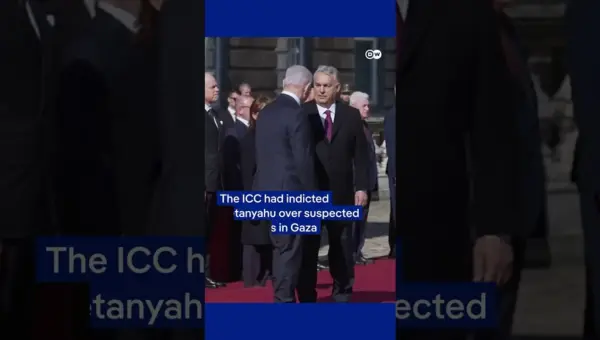
Hungary's new leadership is making a significant foreign policy change by seeking to rejoin the International Criminal Court (ICC). This move signals a commitment to global legal standards and a departure from the previous government's stance. The administration also reaffirmed its zero-tolerance policy towards antisemitism and highlighted the special relationship between Hungary and Israel.