Tax Day Relief: Officials Highlight Potential Refunds
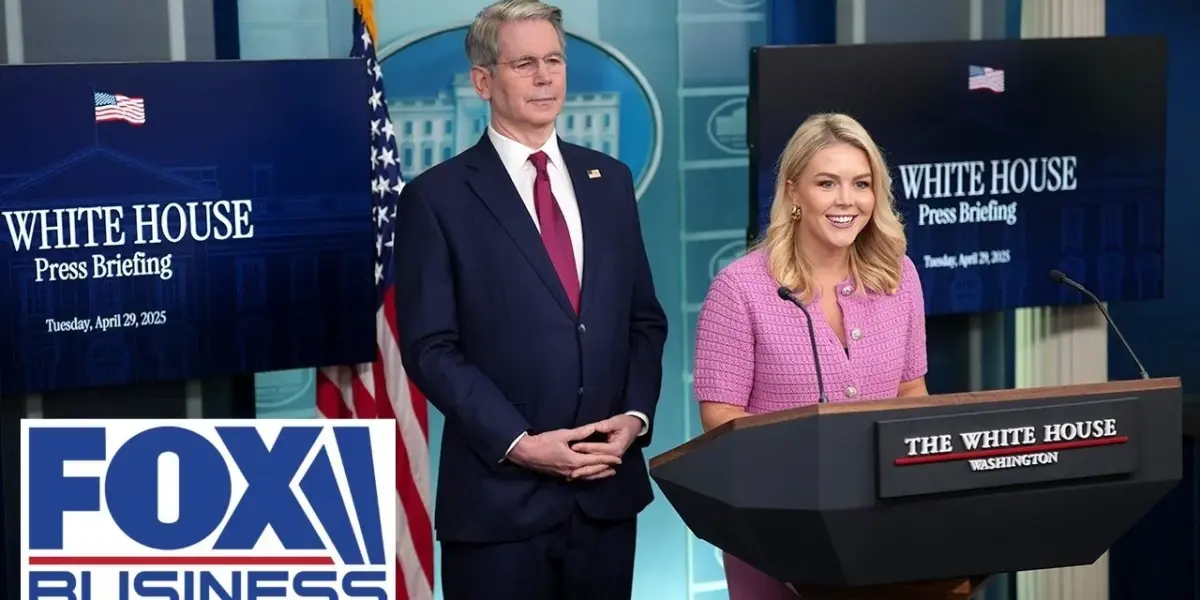
On Tax Day, White House Press Secretary Karoline Leavitt and Treasury Secretary Scott Bessent highlighted the potential for taxpayer refunds. This influx of money could boost consumer spending and offer financial relief. Investors should monitor these trends for potential market impacts.

Officials Focus on Taxpayer Refunds on Key Filing Day
As Americans faced the annual deadline for filing their taxes, top government officials highlighted the possibility of refunds for many. White House Press Secretary Karoline Leavitt, joined by Treasury Secretary Scott Bessent and Small Business Administrator Kelly Loeffler, addressed reporters on Tax Day. Their message focused on the financial benefits taxpayers might receive.
The officials emphasized that for many individuals and businesses, filing taxes could result in money back. This could provide a welcome financial boost. While the specifics of individual refunds vary, the general sentiment was one of potential financial relief for those who have overpaid their taxes throughout the year.
This is a common outcome for many taxpayers. It happens when the amount withheld from paychecks or paid in estimated taxes is more than the actual tax liability.
Understanding Tax Refunds
A tax refund is essentially a reimbursement from the government. It occurs when a taxpayer has paid more income tax than they owe. This can happen for several reasons.
For example, if too much tax was withheld from an employee’s paycheck. Or, if a taxpayer claimed deductions or credits they were eligible for.
These could reduce their overall tax bill. The difference between what was paid and what was owed is then returned to the taxpayer.
For businesses, especially small businesses, understanding tax obligations and potential credits is crucial. These can impact cash flow significantly. The Small Business Administrator’s presence suggested a focus on ensuring small businesses are aware of all available tax benefits.
These benefits can help them grow and invest back into their operations. It is important for business owners to consult with tax professionals. This ensures they are taking full advantage of all applicable tax laws.
Market Impact and Investor Considerations
While the focus of the press briefing was on individual and business refunds, the broader economic implications are worth noting. A significant amount of money returning to consumers can boost spending. This can, in turn, help certain sectors of the economy.
For example, retail and consumer goods often see an uptick when people have more disposable income. This increased consumer activity can positively influence corporate earnings. It might also encourage investment in companies that benefit from higher consumer spending.
From an investor’s perspective, understanding how tax policies and refund cycles affect consumer behavior is key. Large refund payouts can temporarily increase consumer demand. This might create short-term opportunities.
However, investors should look beyond these immediate effects. They should consider the long-term impact of tax policies on different industries. Factors like corporate tax rates and tax incentives for investment play a larger role in shaping business strategies and market growth over time.
The officials’ comments suggest a government focus on returning capital to the private sector. This could be seen as supportive of economic activity.
What Investors Should Know
The announcement on Tax Day is a reminder of the direct link between government fiscal policy and individual finances. For investors, this means paying attention to how tax changes and refund cycles can influence economic indicators. Increased consumer spending due to refunds can be a positive signal for sectors reliant on discretionary income.
However, it’s important to differentiate between temporary boosts and sustainable economic trends. Investors should always conduct thorough research. They should consider the underlying fundamentals of companies and the broader economic environment.
Tax policy remains a critical factor in investment decisions. It influences everything from corporate profitability to consumer spending power.
The presence of high-level officials from the Treasury and Small Business Administration highlights the importance of tax compliance and awareness. For businesses, this means staying informed about tax laws. It also means actively seeking out deductions and credits to optimize financial performance.
For individual investors, understanding how tax implications affect their portfolios is equally vital. This includes considering capital gains taxes, dividend taxes, and the tax treatment of various investment vehicles. The goal is to make informed decisions that align with financial objectives.
Source: WATCH LIVE: Karoline Leavitt, Scott Bessent tout refunds on Tax Day (YouTube)

Related Articles

Tax Refunds Bolster Economy, But Inflation Woes Linger
The Trump administration is promoting increased tax refunds as a key economic benefit, aiming to boost consumer spending and frame tax season positively. While the stock market shows strength, persistent inflation and high living costs present ongoing challenges for American households.


TPUSA Event Honors Charlie Kirk, Tackles Debt and Faith
Turning Point USA hosted a "This is the Turning Point" event at George Washington University, featuring White House Press Secretary Karoline Leavitt and TPUSA CEO Erica Kirk. The gathering addressed the student loan crisis, emphasized conservative values and faith, and honored the legacy of the late Charlie Kirk. Speakers framed current societal challenges as a spiritual battle, urging attendees to stand firm in their beliefs.


Spending Surges: February Sales Beat Expectations
Americans increased their spending at retailers in February, with sales rising 0.6%. This figure surpassed economists' predictions and showed growth across most categories, except grocery and furniture stores. This rebound is a key indicator for the overall health of the U.S. economy.