Tax Refunds Swell, Boosting Consumer Spending Power
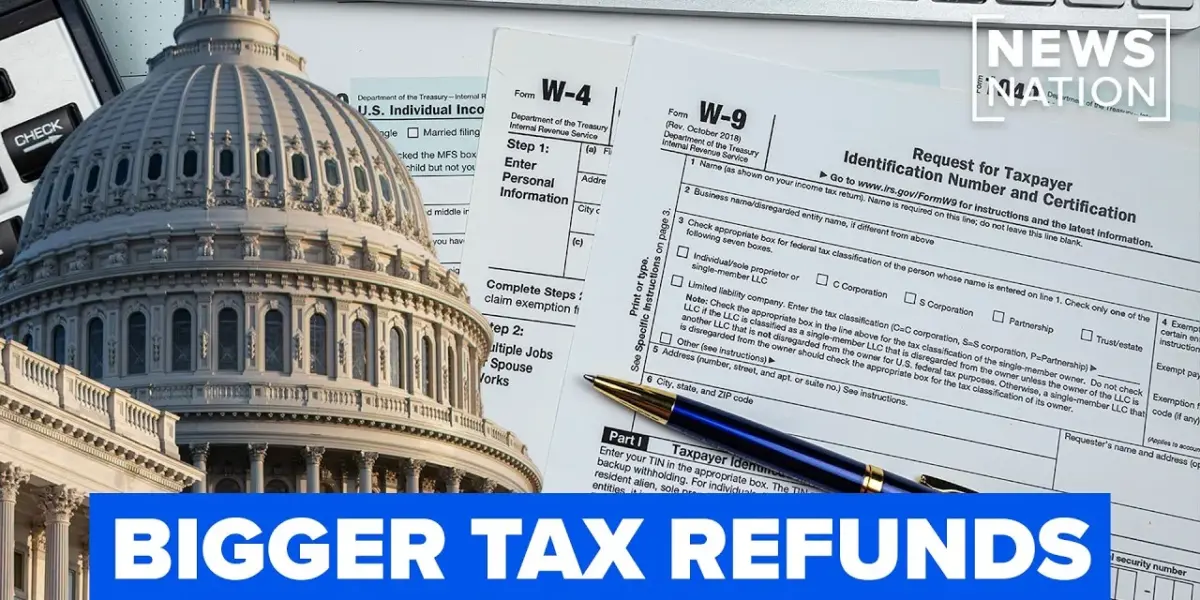
Millions of Americans are receiving larger tax refunds this year, totaling an average of $3,500, an 11% increase from last year. While this boost could fuel consumer spending and aid the economy, it arrives amidst rising inflation for gas and groceries. Experts highlight the importance of timely tax filing to secure these refunds.

Tax Refunds Swell, Boosting Consumer Spending Power
Millions of Americans are receiving larger tax refunds this year, a welcome financial boost as they grapple with rising costs for everyday goods. The Internal Revenue Service (IRS) has issued more refunds and larger amounts compared to previous years. This increase in disposable income could significantly impact consumer spending, a key driver of the U.S. Economy.
Refunds Show Significant Growth
This year, the average tax refund is around $3,500, an increase of about 11% from last year. This means many filers are seeing several hundred dollars more than they typically receive. More people are also getting refunds in the first place.
As of April 4th, the IRS had issued 70 million refunds, up from 68 million at the same point last year and 66.8 million in 2023. This rise is partly linked to tax changes from legislation passed last year. New deductions for seniors and overtime pay, for example, are adding an estimated $175 to the average refund.
Economic Context: Inflation vs. Refunds
While larger refunds offer relief, they come at a time when many Americans are feeling the pinch of inflation. The cost of gasoline has risen sharply, with a gallon of regular gas now averaging $4.11, more than a dollar higher than just six weeks ago. Grocery prices have also climbed, up 2% compared to last year.
Even with bigger refunds, these higher prices mean that the increased money may not stretch as far as people hope. Some Americans may not feel a significant improvement in their financial situation due to these persistent cost increases.
Economists See Potential Economic Boost
Despite concerns about inflation, economists believe these larger refunds could provide a much-needed boost to the U.S. Economy. Consumer spending accounts for about two-thirds of economic growth.
When people have more money to spend on goods and services, it helps businesses thrive and keeps the economy moving forward. The increased refunds offer a potential surge in this crucial spending, helping to offset economic slowdowns.
Historical Context: Tax Law Changes
The increase in refunds is partly attributed to tax legislation passed in recent years. These laws often introduce new deductions and credits, which can change how much tax individuals owe or receive back.
For instance, changes aimed at supporting seniors or incentivizing overtime work can directly impact the size of a taxpayer’s refund. Understanding these tax law adjustments is key to understanding why refunds are changing year over year.
The Importance of Filing on Time
With the tax deadline approaching, a reminder is being issued to millions of Americans. Each year, about 20 million people miss the crucial deadline to file their taxes or request an extension.
Failing to file on time can result in penalties and interest charges, reducing the benefit of any potential refund. Experts urge everyone to file or request an extension by midnight to avoid these issues.
Why This Reshapes the World Order
While this situation primarily affects American households, the impact of increased consumer spending can have broader economic ripples. A stronger U.S. Economy, driven by domestic demand, can influence global markets. For example, increased U.S. Demand for imported goods can benefit exporting nations.
Conversely, if inflation continues to outpace wage growth and refunds, it could lead to shifts in consumer behavior that affect international trade patterns. The health of the U.S. Economy remains a significant factor in global economic stability, making domestic spending trends a matter of international interest.
Future Scenarios
- Scenario 1: Sustained Spending Boom: If inflation cools and wages rise, the larger refunds could lead to a sustained period of strong consumer spending, providing a significant boost to the economy. This scenario is moderately likely if global supply chains stabilize and energy prices remain relatively steady.
- Scenario 2: Inflation Erodes Gains: If inflation remains stubbornly high, the increased refunds might only offer temporary relief, with the money quickly spent on necessities. This scenario is also quite possible, especially if unexpected global events disrupt energy or food supplies.
- Scenario 3: Policy Adjustments: The government might consider further economic stimulus or inflation control measures if consumer spending falters or inflation remains a major concern. The likelihood of this depends on upcoming economic data and political priorities.
Source: Tax Day: IRS issuing bigger tax refunds this year (YouTube)

Related Articles


US Military Obliterates Iran’s Capabilities in 26 Days
U.S. forces have crippled Iran's military capabilities in just 26 days through Operation Epic Fury, achieving objectives weeks ahead of schedule. The operation destroyed Iran's navy, air force, and missile infrastructure, prompting diplomatic talks. Domestically, the administration highlighted economic growth, tax refunds, and efforts to lower drug prices.


Iran Crisis Eases, Oil Prices Poised for $60 Drop
Economist Stephen Moore forecasts a significant drop in oil prices to $55-$60 per barrel once the Iran situation resolves. While consumer prices may see a temporary jump, overall supply is expected to surge, making the U.S. a net exporter.


Market Plunges 500 Points on Inflation Fears
Major stock indexes plunged over 500 points today as new inflation data exceeded expectations. Investors are growing concerned that rising prices will persist, leading to a broad sell-off across the market. This economic uncertainty impacts consumer spending and company valuations.