AI Spots Top 5 Housing Markets for Investors
Artificial intelligence identifies top real estate investment markets like Charlotte, Dallas-Fort Worth, Raleigh-Durham, Columbus, and Indianapolis. While AI highlights growth, experts caution that appreciation may slow, and finding cash flow requires careful analysis, especially in competitive markets.


AI Spots Top 5 Housing Markets for Investors
Artificial intelligence is weighing in on the real estate investment scene, identifying key markets with strong potential. While AI points to areas with solid growth and demographics, a closer look reveals that finding profitable deals requires careful consideration, especially in today’s shifting market.
Charlotte, North Carolina: Appreciation Play
Coming in at number five on the AI’s list is Charlotte, North Carolina. The AI highlights massive appreciation over the last decade, strong rent growth, and positive population trends. Charlotte is also noted as relatively affordable considering its strong market fundamentals. However, with a rent-to-price ratio of just 0.36, finding properties that generate immediate cash flow can be challenging. This market is seen more as an appreciation play, meaning investors are betting on the property value increasing over time rather than generating income from rent right away.
Dallas-Fort Worth, Texas: Growth Amidst Correction
At number four is the well-known Dallas-Fort Worth metroplex. Dallas consistently appears on lists of strong investment markets due to its robust demographic and job growth. While it’s a large city where cash flow might not be widespread, specific areas, particularly in North Dallas, may offer deals that provide both income and potential appreciation. It’s important to note that rents and prices in Dallas are currently experiencing a decline. This suggests investors need to understand how to invest during a market correction, focusing on long-term potential rather than short-term gains.
Raleigh-Durham, North Carolina: Pockets of Opportunity
The AI ranks Raleigh-Durham, North Carolina, as the third-best market. This area boasts very strong job growth and demographics, remaining relatively affordable despite its rapid expansion. Low vacancy rates are another positive factor. However, the AI notes that this is a diverse metropolitan area, and investment opportunities vary by location. For instance, finding cash flow in Raleigh itself can be difficult, but opportunities may exist in Durham. While finding deals might be tough, the fundamentals are strong, making it a good area if a suitable property can be found.
Columbus, Ohio: Emerging Midwest Hub
Columbus, Ohio, secured the number two spot, recognized as a trendy market due to its affordability and economic growth. Home prices here average around $275,000, and significant economic development, like a new chip plant, is attracting attention. The Midwest often presents attractive investment opportunities, and Columbus is among the stronger markets in the region. Despite its appeal, finding immediate cash flow can be more difficult than expected. Columbus is no longer a secret, and investor competition is high. However, for those who can secure a deal, it remains a promising market.
Indianapolis, Indiana: The Top Pick
Indianapolis, Indiana, is AI’s top market for real estate investment. The AI’s choice is supported by the city’s growth, affordability, potential for cash flow, and good inventory levels. While it’s not as inexpensive or uncompetitive as it once was, good deals can still be found. The AI’s assessment of Indianapolis is considered strong, aligning with the need for markets that offer both growth and income potential.
Expert Take: Appreciation Slowdown and Smaller Markets
While the AI’s list offers valuable insights, it’s noted that the AI might overemphasize appreciation and underestimate the difficulty of finding good deals in these popular markets. Many experts believe that the nationwide trend of rapid appreciation may slow down or even reverse. This suggests that relying solely on property value increases might be a risky strategy. The article’s source also points to smaller, second or third-tier cities as potentially offering less competition with equally strong fundamentals and good deals. The core message is that if investors can find suitable deals in any of these markets, they are likely to perform well over the long term.
Understanding Investment Terms
When evaluating real estate investments, several key terms are important:
- Cash Flow: This is the money left over from rental income after paying all operating expenses, such as mortgage payments, property taxes, insurance, and maintenance. Positive cash flow means you’re making money each month.
- Appreciation: This refers to the increase in a property’s value over time. It’s a key factor in long-term investment returns but doesn’t provide immediate income.
- Rent-to-Price Ratio: This compares the annual rent a property can generate to its purchase price. A higher ratio generally indicates better potential for cash flow.
- Vacancy Rate: This is the percentage of occupied rental units in a given area. Low vacancy rates suggest strong demand for housing.
Broader Economic Factors
Several economic factors influence the housing market. Interest rates, set by central banks, significantly impact mortgage affordability for buyers and the cost of financing for investors. Job growth in a region attracts new residents, increasing demand for housing and potentially driving up prices and rents. Population growth, fueled by both domestic migration and international immigration, also boosts housing demand. Inflation can affect construction costs and the overall cost of living, indirectly influencing housing prices and rental rates.
Regional Variations and Who is Impacted
The markets highlighted by AI—Charlotte, Dallas-Fort Worth, Raleigh-Durham, Columbus, and Indianapolis—are generally experiencing population and job growth, making them attractive. Buyers in these areas might face increased competition and rising prices, while sellers could benefit from strong demand. Investors looking for cash flow might find it harder in rapidly appreciating markets, potentially needing to look at areas with more balanced growth or explore smaller cities. Investors focused purely on appreciation might see opportunities but should be mindful of potential market corrections. The current economic climate, with fluctuating interest rates and inflation, adds another layer of complexity for everyone involved in the housing market.
Source: AI Ranks Top 5 Real Estate Markets 📍 (YouTube)

Related Articles


Real Estate Expert: Affordability Policies Will Worsen Crisis
Manhattan rents have surged to $4,083 for a one-bedroom, far exceeding the national average. Real estate experts warn that proposed affordability policies may worsen the crisis. A significant housing shortage and high mortgage rates continue to challenge buyers and the market.

Inflation Jolt Sparks Housing Price Drops
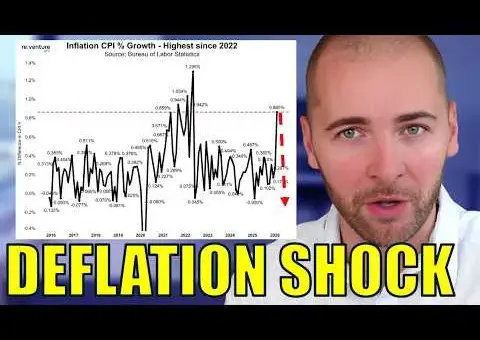
A recent surge in inflation, driven by rising energy costs, is creating uncertainty in the housing market. However, falling rent prices suggest a potential slowdown and even price drops ahead. This shift creates opportunities for savvy buyers to find homes at significant discounts.


Home Sales Plunge: Sellers Offer Sweet Deals
Pending home sales have hit a record low, signaling a major shift from the frenzied market of recent years. Higher interest rates have cooled buyer demand, giving sellers more reason to negotiate. This slowdown creates opportunities for savvy investors willing to adapt.