US Blockade Tightens on Iran; Peace Talks Show Glimmers of Hope
The United States military has implemented a three-day blockade of Iranian ports as part of an economic pressure campaign. While official reports indicate success in turning away ships, some vessels have reportedly tested the waters. Meanwhile, diplomatic efforts are underway, with President Trump suggesting the conflict is nearing an end, though significant hurdles remain.

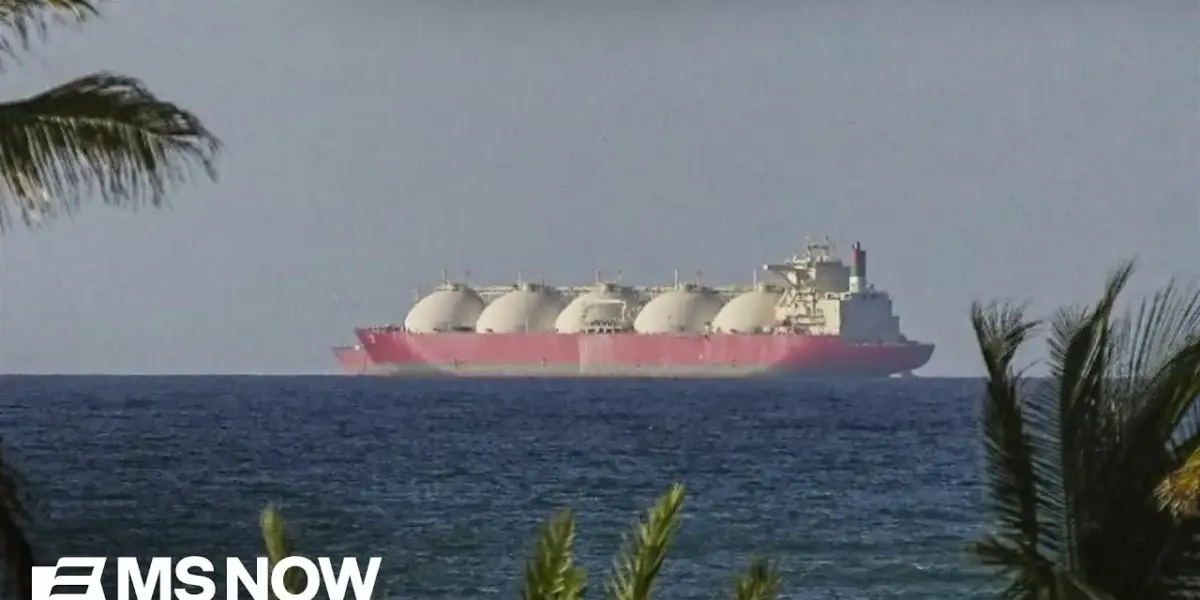
US Military Tightens Grip on Iranian Ports
The United States military has implemented a blockade of Iranian ports, now entering its third day. This action is part of the White House’s strategy to increase economic pressure on Tehran.
U.S. Central Command reported that no ships successfully passed the blockade in the first 24 hours. Six merchant vessels reportedly turned back to Iranian ports after receiving instructions from U.S. forces via radio.
The operation involves a significant military presence, including 10,000 American troops, over a dozen warships, and various aircraft. While the Pentagon projects confidence in the blockade’s effectiveness, some reports suggest that certain ships may be attempting to bypass it. Ship tracking data indicates that one vessel, the Chinese tanker Rich Starry, which is under U.S. sanctions, traveled eastward through the strait before eventually turning around.
Another ship linked to Iran also appeared to pass through the strait during the blockade. However, its path was unclear as the vessel was offline, making its movements difficult to track.
Meanwhile, the Wall Street Journal cited U.S. officials stating that more than 20 commercial ships not connected to Iran have passed through the strait recently. While this number is lower than before the conflict, it represents an improvement in the flow of traffic through this vital waterway.
Diplomatic Efforts Gain Momentum Amidst Conflict
Behind the scenes, talks aimed at arranging face-to-face negotiations between the U.S. and Iran are continuing. President Trump expressed optimism that negotiations could resume within the next two days, potentially in Pakistan’s capital. Pakistan’s finance minister confirmed that the country’s leadership remains committed to helping the U.S. and Iran end the conflict.
Officials from Saudi Arabia, Egypt, and Turkey met in Islamabad to discuss mediation strategies. President Trump also indicated in a Fox Business interview that the war in Iran is nearing its end.
“I think it’s close to over,” he stated, suggesting that Iran is eager to reach a deal. He believes that even if U.S. forces withdrew, Iran would take decades to rebuild its country, implying a significant impact from the ongoing conflict.
Key Hurdles and Shifting Goalposts in Negotiations
Despite positive signs, significant challenges remain in reaching a peace agreement. The nuclear enrichment issue continues to be a major sticking point, with the two sides reportedly far apart. Discussions about a potential 20-year freeze on enrichment were mentioned, but President Trump indicated this would not be acceptable.
Another reported point of contention involves Israel and Lebanon, who are currently engaged in historic talks to end their own conflict. The impact of these talks on the U.S. and Israel’s engagement with Iran remains an open question.
On Capitol Hill, there are signs that some Republicans are adjusting the criteria for success in the conflict. Some argue that if Iran lacks the missiles to deploy enriched uranium, its nuclear program is effectively neutralized, suggesting a shift in focus from preventing enrichment to preventing weaponization.
Economic Concerns and Political Messaging
The economic implications of the blockade are also a concern, particularly regarding potential price increases. This comes at a time when the administration is already facing public pressure over affordability and inflation. The White House has been highlighting its efforts to ease economic pressures, including discussions on tax policies and upcoming events focused on the economy.
The conflict in Iran is casting a shadow over these efforts, potentially overshadowing the administration’s economic messaging ahead of midterm elections. Even within the Republican party, there are indications of differing views on the conflict’s duration and objectives. Some senators have pointed to a 60-day threshold related to the authorization of military force, suggesting that Congress may seek to curtail military involvement if the conflict extends beyond that period.
International Reactions and Papal Engagement
The conflict has also drawn international attention and commentary. There are reports of Iran acknowledging over 3,000 deaths during recent protests, though U.N. Estimates place the number between 5,000 and 20,000. Pope Francis recently spoke out against war, violence, injustice, and lies, stating that God’s heart is not with the wicked or the proud.
President Trump’s response to the Pope’s remarks has been met with criticism, even from close allies like the Italian prime minister. Some within the President’s circle reportedly prefer to avoid direct confrontation with the Pope, given his moral authority, especially among Catholic voters who are a key demographic. The ongoing public exchange highlights a complex geopolitical and religious dimension to the conflict.
Looking Ahead
As the U.S. Blockade continues and diplomatic channels remain open, the coming days will be crucial in determining the trajectory of the conflict. All eyes will be on whether a breakthrough in negotiations can be achieved, how the economic pressures on Iran will unfold, and whether the shifting political and international dynamics will lead to a lasting resolution.
Source: U.S. Blockade of Iranian ports underway (YouTube)

Related Articles
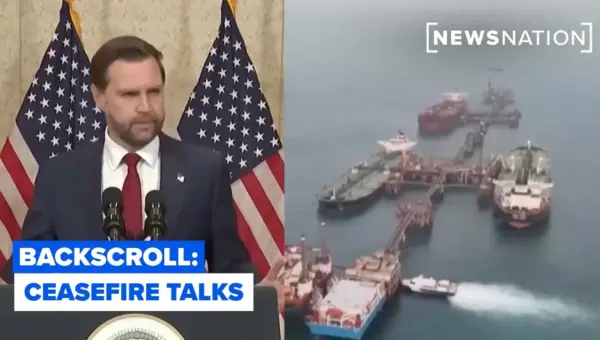
Iran Nuclear Talks Collapse: Blockade Looms, Prices Soar
U.S.-Iran nuclear talks have failed, leading President Trump to announce a naval blockade of the Strait of Hormuz. The breakdown centers on Iran's commitment to nuclear non-proliferation. This action is expected to cause significant increases in global fuel and air travel prices.
US Signals Readiness to Strike Iran’s War Machine
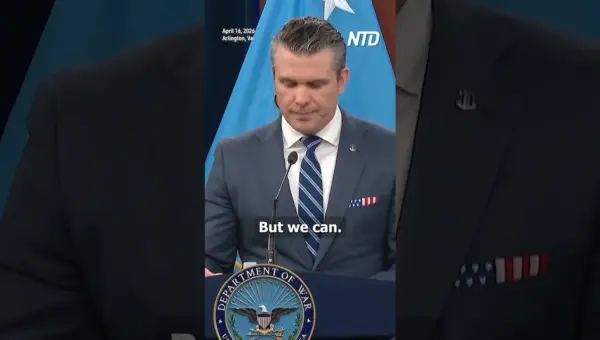
The U.S. military has issued a stern warning to Iran, stating that all their movements are being watched and that America is ready to restart combat if needed. Officials highlighted Iran's limited ability to repair its military, contrasting it with America's growing strength and superior intelligence.

Congress Ducks Iran War Vote as Ceasefire Deal Reached
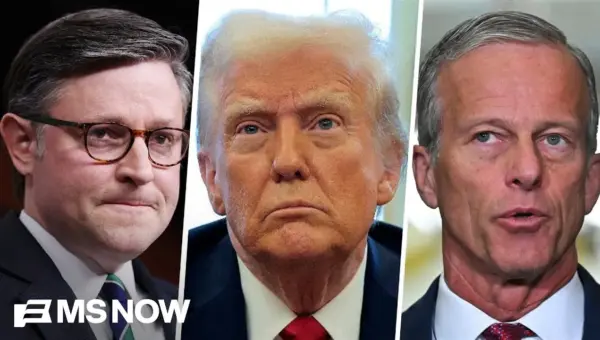
Congress has failed to pass a resolution limiting the President's war powers regarding Iran, amidst a newly announced 10-day ceasefire between Israel and Lebanon. Heated debate marked the vote, with lawmakers divided on national security and political strategy. The ceasefire offers a potential de-escalation, though significant issues remain unresolved in broader peace efforts.