Nissan’s Infiniti Overhaul: More Muscle, Less Clutter
Nissan is revamping its Infiniti luxury brand with a new strategy to focus investment on fewer, stronger models. The company plans to phase out underperforming vehicles and double down on those that contribute profit, volume, or brand strength. This aims to make the remaining cars more competitive and appealing to luxury buyers.


Nissan Aims to Revitalize Infiniti with Focused Strategy
Nissan is shaking things up, and Infiniti, its luxury brand, is at the center of a major plan. The company has announced a clear strategy to make its product lineup stronger and more competitive. This means saying goodbye to some models that aren’t pulling their weight and doubling down on the ones that can truly shine.
The core idea is simple: every car Nissan sells must contribute something valuable. This contribution can be in the form of profit, sales volume, or strengthening the brand’s image. Nissan has laid out a framework called ‘heartbeat core, um partnership growth’ to guide its decisions. This framework gives each product a specific role to play in the company’s future.
Trimming the Fat, Boosting the Muscle
Nissan plans to gradually remove products from its lineup that aren’t bringing in enough sales or profit. However, some cars that might not be huge sellers can still stick around if they help build the Infiniti brand. These models act like brand ambassadors, showing customers what Infiniti is all about. Think of it like a chef keeping a signature dish on the menu even if it’s not the bestseller; it defines the restaurant.
The company will also pay close attention to the natural life cycle of its vehicles. Investments have already been made, and Nissan won’t force the retirement of cars that are still meeting regulatory requirements or staying competitive without further costly updates. They will continue to be sold until it makes financial sense to replace them with newer, more advanced models. This approach avoids unnecessary spending and anxiety within the dealer network.
Fewer Cars, Better Cars
The goal isn’t to spend less overall, but to focus investment on fewer vehicles. By concentrating resources, Nissan aims to make each remaining car more competitive. An example of this strategy in action is the Nissan Kicks. The previous generation to the new Kicks saw a significant improvement, partly due to the addition of an all-wheel-drive option. This new option allowed Nissan to tap into markets like the northern U.S., where customers specifically look for that capability.
This focus on fewer, stronger products will allow Nissan to offer better technology and performance. Instead of spreading resources thin across many models, the company can pour more into developing a smaller, more impactful range. This could mean more advanced powertrains, better fuel efficiency, or more cutting-edge features in the vehicles that remain.
Who Benefits?
This new direction is aimed at car buyers who appreciate luxury, performance, and a strong brand identity. For Infiniti, this means targeting customers who want a premium experience without necessarily opting for the most established German luxury brands. By making its core models more compelling, Nissan hopes to attract buyers looking for value and innovation in the luxury segment.
While specific models being cut or kept haven’t been named, the strategy suggests a move towards a more streamlined and potent lineup. This could mean a greater emphasis on SUVs and sedans that can offer strong performance and advanced technology, potentially including more electrified options in the future. The focus on making fewer cars more competitive should translate into a better overall product for the consumer.
The success of this plan will depend on Nissan’s ability to execute it effectively. By concentrating its development efforts, the brand has the potential to produce vehicles that truly stand out in a crowded luxury market. The coming years will show if this focused approach can indeed fix what some have seen as a dilution of Infiniti’s brand potential, ultimately delivering stronger, more desirable vehicles to showrooms.
Source: How Did Nissan Screw Up Infiniti (And How Does It Plan to Fix Things)? (YouTube)

Related Articles
Infiniti Aims for Luxury SUV Comeback with New US-Built Model
Infiniti is launching its new US-built QX65 luxury SUV this summer, aiming to boost sales and compete directly with rivals like Lexus. The vehicle starts at $53,990 and boasts a powerful engine and premium standard features, positioning it as a strong value proposition in the mid-size segment.

Infiniti Bets Big on New SUV for US Comeback
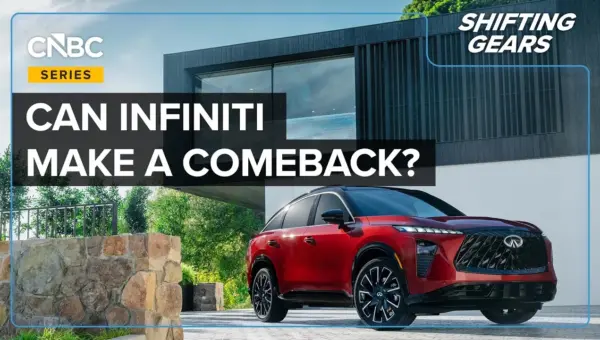
Infiniti is launching a new mid-size SUV, the QX60, as a central part of its strategy to revive declining US sales. The brand has seen a 65% drop since 2017, making this US-built vehicle crucial for its future. Competitive pricing and new leadership aim to drive a projected 20% sales increase next fiscal year.
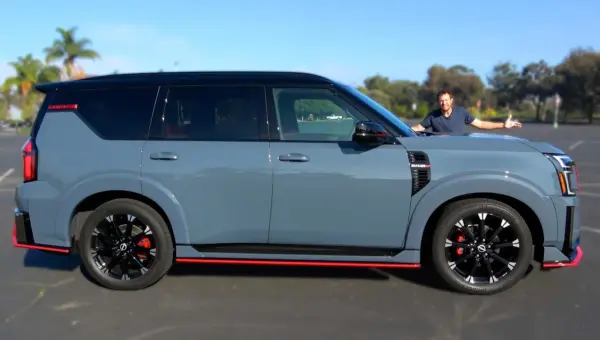
Nissan Creates a Street-Tuned Armada Nismo: A Bold, Bizarre SUV
Nissan has unveiled the 2026 Armada Nismo, a surprisingly sporty, three-row full-size SUV. With enhanced horsepower, aggressive styling, and a retuned suspension, it carves out a unique niche. However, its high price and questionable performance gains raise questions about its value and target audience.