Trump Rejects 20-Year Iran Nuclear Deal Moratorium
President Trump has rejected a 20-year moratorium on Iran's nuclear enrichment, demanding complete denuclearization instead. In direct calls with a reporter, Trump expressed his firm stance and discussed potential upcoming peace talks in Islamabad. His communication style, marked by direct calls and mood shifts, offers a unique view into ongoing diplomatic efforts.

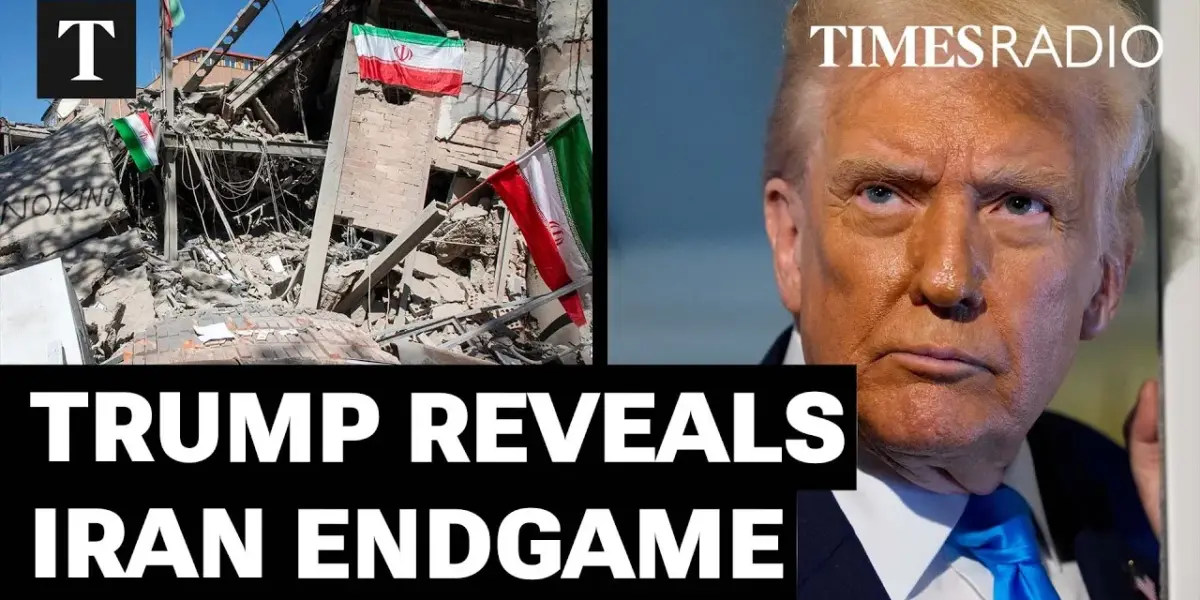
Trump Demands Full Iran Denuclearization, Rejects Long-Term Moratorium
President Donald Trump has rejected a proposed 20-year moratorium on Iran’s nuclear enrichment program, stating his preference for complete denuclearization. The President communicated this stance directly to foreign policy reporter Kaitlan Collins Dornbos of the New York Post in a series of phone calls. Trump emphasized his commitment to ending Iran’s nuclear capabilities, even when challenged by suggestions that a moratorium might be the most effective path to an agreement.
“I don’t want them to have a win,” Trump reportedly told Collins. “I want this to end, and it’s my responsibility to end the nuclear potential of Iran.” This direct communication style, bypassing traditional press briefings, offers a glimpse into the President’s thinking on a critical international issue.
Potential Peace Talks in Islamabad
The conversations between Trump and Collins also touched upon the possibility of future peace talks concerning Iran. These discussions, which could potentially involve Iran and other international parties, might occur within the next 48 hours or at least see significant news emerge within that timeframe. President Trump indicated that he would not be part of the US delegation if the talks materialize.
Initially, Trump informed Collins that any talks would not take place in Islamabad, Pakistan, where she was located. However, in a surprising follow-up call about 37 minutes later, he advised her to remain in the city, stating that things were progressing and that he had decided the talks would, in fact, be held in Islamabad.
This personal intervention by the President allowed Collins to postpone her flight and continue reporting from the scene. The experience of receiving direct calls from the President, identified on her phone simply as “POTUS,” highlighted an unconventional approach to presidential communication.
Key Issues in Negotiations
The primary sticking point in the ongoing negotiations, as understood from the conversation, revolves around Iran’s uranium enrichment activities. While reports suggested the US had offered a 20-year pause, Trump’s position is firm: he seeks the complete elimination of Iran’s nuclear program.
Collins noted that when she pressed Trump on the enrichment period, he expressed his strong opposition to the proposed moratorium. His desire for Iran to fully abandon its enrichment program underscores a deep-seated concern about its nuclear ambitions.
Presidential Mood and Communication Style
Collins described two distinct moods during her calls with President Trump. In the initial conversation, he did not appear optimistic about the immediate prospects for talks. However, after the subsequent call, his demeanor shifted dramatically.
“He turned around, he was jovial, he was kind and in a good mood, and he was hopeful,” Collins reported. This shift in tone suggests a dynamic and perhaps fluid approach to the ongoing diplomatic efforts.
The unusual nature of the President directly calling a reporter was also a point of discussion. Some observers, like Hugo Rifkind, noted the directness as both admirable and potentially indicative of an ad hoc approach to presidential decision-making. “He does engage with everything on an extremely sort of ad hoc human level,” Rifkind commented, suggesting that Trump’s actions stem from instinct rather than a meticulously planned strategy.
The unpredictability of this communication style was also acknowledged. While it allows for immediate updates and a sense of direct access, it also raises questions about strategic consistency and the potential for miscalculation. The President’s willingness to engage directly, however, provides a unique window into his immediate thoughts on pressing international matters.
Looking Ahead
With the possibility of talks in Islamabad within days and the President’s clear stance on complete denuclearization, the coming period will be crucial. The world will be watching to see if Iran agrees to Trump’s demand for a full end to its nuclear program, and whether the President’s optimistic mood translates into a lasting diplomatic resolution.
Source: What Trump Told Me About How The Iran War Ends (YouTube)

Related Articles

Trump Sues Journal, Then Faces Them at Gala
Donald Trump, who has a history of suing news outlets, will attend the White House Correspondents' Dinner. The Wall Street Journal, an outlet he has legally challenged over Epstein-related reporting, will receive an award at the same event. This creates a unique and symbolic juxtaposition of political power and media scrutiny.

Miller’s Fox News Rant Undermines Trump’s Worldview
Stephen Miller's recent appearance on Fox News defending Trump's foreign policy, particularly regarding the Strait of Hormuz, has drawn criticism. His arguments about a "woke" international order and a "checkmate" move against Iran are contrasted with a view that such actions have weakened U.S. alliances and global standing.

Trump’s Iran Standoff: Claims of Victory Mask Growing Weakness
Claims of U.S. victory in its standoff with Iran are being challenged by maritime data and Iran's defiant response. While the Trump administration boasts of maritime superiority, evidence suggests ships continue to move through the Strait of Hormuz, raising questions about the effectiveness of the blockade.