US Claims Maritime Dominance in Hormuz Strait Amid Iran Conflict
CENTCOM has declared "maritime superiority" in the Strait of Hormuz, implementing a blockade on Iranian ports. National security analyst Mark Chandler explained the US is targeting vessels connected to Iran while allowing other traffic. The US faces logistical challenges and potential threats from advanced missiles.

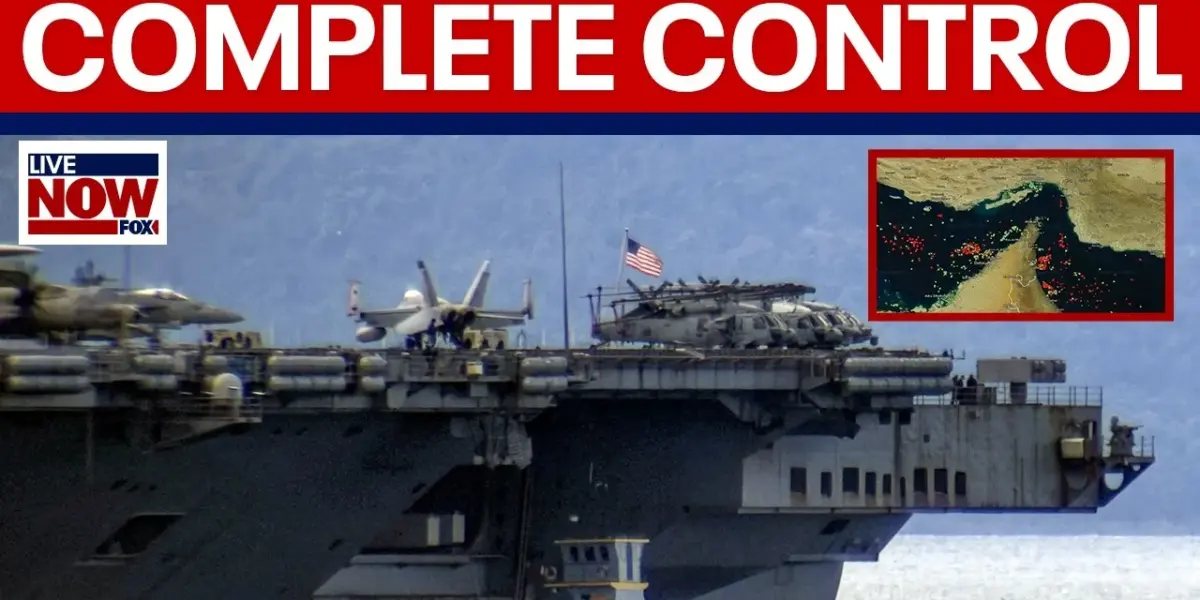
US Central Command Declares Control Over Hormuz Strait
The United States Central Command (CENTCOM) has declared it has achieved “maritime superiority” in the Strait of Hormuz, a vital waterway for global oil transport. This declaration comes as the US has fully implemented a blockade on Iranian ports, a move that took only 36 hours to put into effect after its launch on Monday. This significant development signals a shift in operational control in a region where US forces have been engaged in ongoing operations concerning Iran.
Presidential Authority and Military Decision-Making
Amidst the evolving conflict, questions arise about the chain of command in US military operations. National security analyst Mark Chandler, a former Department of Defense senior executive, explained the complex decision-making process. He clarified that while the President of the United States is the ultimate commander-in-chief, decisions are made through a collaborative process.
The intelligence community identifies threats, and the National Security Council, comprising key advisors like the Secretaries of State and Defense, presents options to the President. These options typically include two to three courses of action with anticipated outcomes.
Once the President makes a decision, the military, in this case CENTCOM, is tasked with executing the operations based on the guidance received. Daily updates are then provided back to the President, ensuring a continuous flow of information in this rapidly developing situation.
Understanding the Blockade: What It Means for Shipping
A common point of confusion has been the nature of the blockade in the Strait of Hormuz. Chandler addressed this, explaining that the US is not completely closing the strait to all traffic. Instead, the blockade specifically targets vessels originating from or destined for Iranian ports, or those carrying Iranian goods.
This strategy aims to exert economic pressure on Iran without completely halting international trade. Once mine-clearing operations are complete and safe passage is assured, other traffic will be allowed through. However, any ship attempting to violate the blockade, especially those with hostile intent, will face strong countermeasures, including potential boarding and seizure or even destruction if they pose a direct threat to US naval vessels.
China’s Role and Economic Implications
The involvement of China in the conflict, particularly concerning its energy needs from Iran, has also been a point of discussion. Chandler noted that China is already involved, having provided back-channel intelligence and imagery to Iran, similar to Russia. With approximately 16% of China’s energy supply coming from Iran at discounted prices, the blockade will have an economic impact on Beijing.
While China has publicly criticized the blockade as illegal, Chandler believes they will not take direct military action against the US. Their involvement is expected to remain primarily economic, as they seek alternative oil sources. The US aims to maintain a delicate balance in its dealings with China, recognizing the need for future diplomatic engagement.
Sustaining Troops at Sea: Logistics and Carrier Operations
The logistical challenges of maintaining US troops at sea, particularly on aircraft carriers, were also highlighted. Chandler described carriers as floating cities of around 5,000 people. These vessels are equipped to stay at sea without port calls for about three months, with the Navy possessing robust capabilities for resupply at sea.
With a third carrier reportedly heading to the region, the US is projecting significant combat power. He emphasized the critical importance of logistics, stating, “Amateurs talk tactics and professionals talk logistics.” Ensuring the continuous supply of food, military equipment, weapons, and fuel is paramount, especially when access to friendly ports is limited.
Enforcing the Blockade: Methods and Threats
Enforcing the blockade involves a multi-faceted approach. For commercial vessels attempting to leave Iranian ports, communication will occur via international shipping frequencies. Advanced intelligence and radar capabilities allow for tracking these ships.
If a vessel refuses to comply with warnings, a Vessel Boarding, Search, and Seizure (VBSS) operation may be initiated. Marines and special Navy teams are trained to board and take control of such ships, diverting them to allied ports rather than Iranian ones. For vessels like fast attack boats from the IRGC that approach with hostile intent, warnings will be issued, followed by defensive actions including air strikes, torpedoes, or naval gunfire to neutralize the threat.
Maritime vs. Air Superiority: Understanding the Difference
CENTCOM’s declaration of “maritime superiority” differs from the previously discussed “air superiority.” Chandler explained that maritime superiority grants the US freedom of maneuver for its ships on its own terms, allowing them to move as needed. While it doesn’t mean the complete elimination of all threats, it signifies overall control of the waterways.
This allows the US to set the pace of operations. Similarly, air superiority meant freedom of movement in Iranian airspace, though it did not eradicate all aerial threats, such as shoulder-fired missiles that could still pose a danger.
The Strait’s Closure and Mine Clearing Operations
Regarding why the strait was allowed to be closed for an extended period, Chandler pointed to a strategic shift. During offensive operations against Iran, Iran’s primary asymmetric response was closing the Strait of Hormuz for economic impact, as they could not compete militarily. The US lacked sufficient ships to simultaneously conduct offensive operations and secure the strait.
Now, with a focus on mine-clearing operations, US surface ships are working to secure shipping channels. This process is complex, addressing threats from air, surface, and underwater mines. Regaining control requires dedicated resources, and a return to offensive operations could impact the ability to sustain these crucial security efforts, highlighting the need for allied support.
Potential for Advanced Missile Threats
The possibility of Iran possessing advanced, low-flying missiles capable of piercing ship defenses, similar to those China might employ, was also raised. Chandler acknowledged that intelligence agencies are working to ascertain the extent of Chinese arms provided to Iran. While Iran may not possess entire advanced missile systems, they have a history of developing their own capabilities using components and older technologies from China and Russia.
Anti-ship cruise missiles, which fly low over the water, pose a significant threat to naval vessels. US offensive operations had aimed to target Iranian naval and missile storage sites along the coast, but Iran’s extensive coastline and hidden storage locations make complete elimination difficult. The Navy, however, is trained to counter such threats, though acknowledges that a single successful strike can be devastating.
Radar Systems and Tracking Vessels
The visual radar system displayed, courtesy of Marine Traffic, helps track vessel movements. Green dots typically represent cargo ships, while red dots indicate tankers. This technology, along with other intelligence, is crucial for monitoring activity in the Strait of Hormuz and enforcing blockades or ensuring safe passage.
Source: CENTCOM declares US dominance of Hormuz Strait amid Iran war (YouTube)

Related Articles


Gas Prices Skyrocket Amid Iran Conflict, Experts Warn More Pain
Gas prices have surged to their highest point since 2022, with a jump of over a dollar per gallon in the last month alone. Experts warn that the conflict in the Middle East, particularly concerning the Strait of Hormuz, could lead to further price increases. Residents in Florida are already feeling the pinch, with some facing difficult choices between essential needs and transportation costs.
Navy Lacks Ships To Enforce Sanctions, Guard Global Trade
The Royal Navy is struggling to enforce sanctions on eight Russian tankers in the English Channel due to a severe lack of resources. Decades of underfunding have left the service unable to adequately patrol and protect vital global trade routes. This shortage raises concerns about the UK's ability to respond to future maritime security threats.


Trump’s Iran Strategy: Unpredictable Warfare for Oil Security
President Trump is employing a strategy of unpredictable warfare, focusing on economic and military pressure points like the Strait of Hormuz. The aim is to counter Iran's nuclear ambitions and regional influence without full-scale conflict. Investors should monitor potential impacts on oil prices and geopolitical stability.