Hungary’s Shift May Herald Putin’s EU Isolation
Hungary's election results signal a major shift, potentially isolating Russia within the EU. Meanwhile, Ukraine continues to target Russian infrastructure, exposing Moscow's growing military and economic vulnerabilities. The conflict grinds on with no clear end in sight.

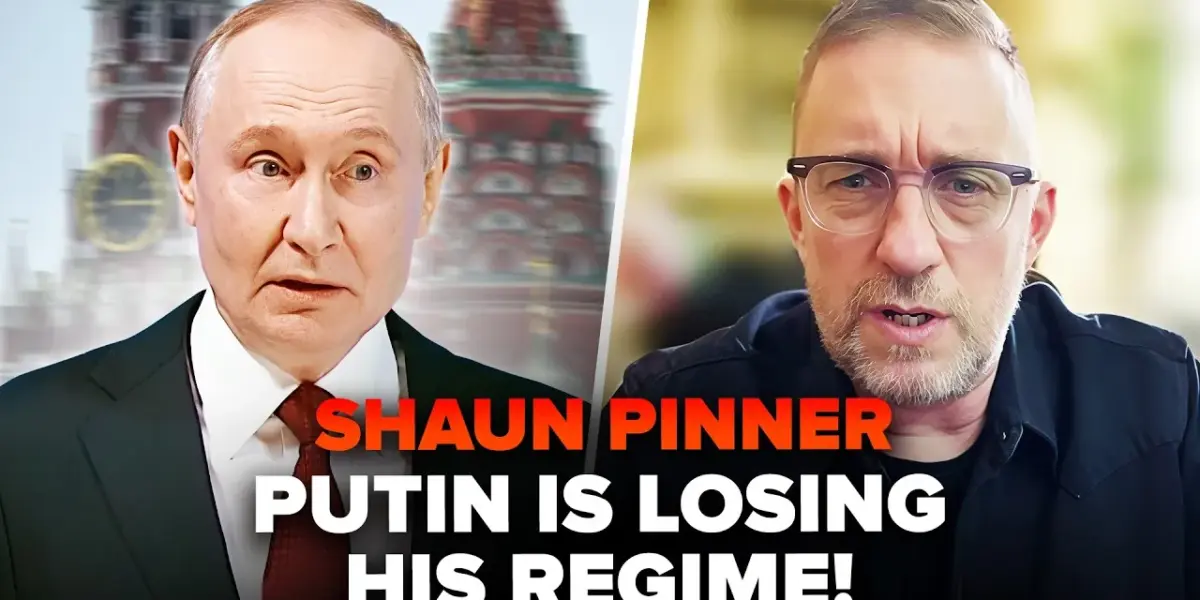
Hungary’s Election Shake-Up Signals Potential EU Realignment
The recent political shifts in Hungary, marked by the defeat of Viktor Orbán, represent a significant blow to the Kremlin’s influence within the European Union. For years, Moscow had relied on Hungary as a key ally to voice its interests and potentially block EU actions. This change, coupled with ongoing military developments, suggests a growing pressure on Russia’s strategic position.
Battlefield Stalemate Continues Amidst Shifting Diplomacy
On the ground in Ukraine, the military situation remains largely unchanged, with no significant breakthroughs reported by Moscow. Despite this battlefield stalemate, Russian officials have increasingly spoken of negotiations, with claims that disagreements with Ukraine are narrowing down to a few kilometers. However, these diplomatic overtures are viewed with skepticism against a backdrop of continued fighting and alleged ceasefire violations.
Orbán’s Downfall and Kremlin Concerns
The defeat of Viktor Orbán in Hungary has sent ripples through Moscow. Russia avoided openly congratulating the new leadership, a subtle sign of unease.
This cautious approach suggests a recognition that while immediate business ties, like those concerning nuclear power, cannot be instantly severed, the long-term political alignment has fundamentally changed. The endorsement of Orbán by figures like Donald Trump and his vice president, Vance, has also been seen as a misstep, with Vance’s support appearing to be a political liability.
New Hungarian Leadership’s Stance
The newly elected Hungarian leadership has signaled a strong pro-European and pro-NATO stance. This is seen as a welcome development for Ukraine and its allies, especially in contrast to concerns about potential withdrawals from NATO.
The new government has also indicated a willingness to unblock significant financial aid for Ukraine, a move that had been previously stalled by Hungary’s veto power. This shift is crucial for Ukraine’s economic stability and its ability to sustain its defense efforts.
Allegations of Corruption and EU Compromise
Recent transcript releases have raised serious questions about potential corruption and abuse of power during Orbán’s tenure. Allegations suggest complicity in handing over EU documents, which could compromise the bloc’s decision-making processes. The possibility that Hungary may have worked with Russia to block aid to Ukraine is also being investigated, highlighting a potentially troubling alliance that involved the U.S., Hungary, and Russia.
The Ceasefire That Wasn’t
Reports from Ukraine indicate that the recent 36-hour ceasefire was widely violated. While some areas experienced unusual quiet, others saw continued shelling and drone attacks.
Allegations of Ukrainian prisoners of war being shot during this period, if substantiated, would represent further war crimes. The battlefield remains active, with Russia reportedly operating with reduced forces, leading to a daily casualty rate estimated at over a thousand killed or injured.
Russia’s Strained Military Capacity
Russia appears to be struggling with manpower and the ability to sustain large-scale offensives. Their winter campaign has been described as a failure. The increased use of drones by Ukraine, reportedly outnumbering Russian drones, signifies a shift in battlefield dynamics.
Russia’s military is also facing a significant shortage of air defense missiles, with some systems having very few interceptors available. This strain is compounded by Ukraine’s successful targeting of Russian oil refineries and industrial facilities, exposing vulnerabilities across Russia.
Ukraine’s Technological Edge and Strategic Strikes
Ukraine is increasingly leveraging advanced drone technology, including AI-based systems, which are still in their early stages of development. This technological innovation is proving advantageous. Ukraine’s strategy has shifted to targeting logistical points, command nodes, supply routes, and economic infrastructure within Russia.
These strikes are designed to cripple Russia’s ability to wage war and are having a noticeable economic impact. The targeting of facilities deep within Russia, stretching over 1300 kilometers, demonstrates Ukraine’s expanding reach and Russia’s difficulty in defending its vast territory.
Economic and Political Pressure on Russia
The economic strain on Russia is becoming increasingly apparent. Even potential financial gains from rising oil prices are expected to be diverted entirely to the military, leaving the general population economically vulnerable.
This situation is reportedly leading to internal dissent, with Russian military bloggers and commentators expressing dissatisfaction and criticism of the Kremlin’s handling of the war. The blocking of social media platforms like Telegram, which is widely used in Russia, further highlights the government’s attempts to control information and the growing internal pressure.
Geopolitical Fallout and Future Outlook
The political landscape suggests that Russia is becoming increasingly isolated. The loss of a key ally in the EU, coupled with ongoing military attrition and economic pressure, is seen by some as pushing Russia towards eventual negotiations. However, the timeline for such a resolution remains uncertain.
The potential impact of future U.S. Elections on support for Ukraine is also a significant factor. While there is cautious optimism, the conflict is expected to continue, potentially for another year or more, with the war increasingly fought in economic and political spheres.
“We’re not at the end. We’re not at the beginning, but definitely the end of the beginning. We’re somewhere halfway through.”
This assessment suggests a long road ahead, but also a turning point where Russia’s ability to achieve its objectives is increasingly questioned. The focus remains on sustaining Ukraine’s support and capitalizing on the growing vulnerabilities within Russia.
Source: 💥Endgame for Putin is near! Kremlin has lost influence in EU. Panic is spreading across Russia (YouTube)

Related Articles

Russia Tightens Digital Grip, Threatens Ukraine’s Info Flow
Russia is increasing its control over online information by blocking websites and social media, potentially impacting Ukraine's ability to reach people in occupied territories. While sabotage communications are expected to remain secure, the broader risk is increased isolation and vulnerability to propaganda for civilians.
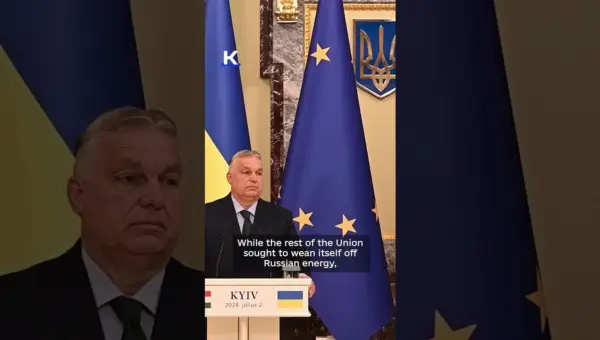
Hungary’s Orban Uses Ukraine War Fear in Election Push
Hungarian Prime Minister Viktor Orban is centering his election campaign on the war in Ukraine. Facing electoral pressure, Orban's Fides party is using fear-mongering tactics and an anti-Ukrainian campaign. He portrays himself as Hungary's sole protector against being drawn into the conflict.
Russia Unleashes Drone Barrage, Hits Ukrainian Cities
Russia launched a massive drone attack across Ukraine, hitting cities and injuring civilians. Nearly 400 drones were deployed in a daylight strike that damaged an apartment building in Lviv. This escalation highlights the growing role of drone warfare in the conflict.