China Faces Tough Choices: Iran Arms vs. Energy Needs
China faces a critical decision between arming Iran and securing its own energy needs amidst escalating U.S. pressure. Author Steven Moer discusses the strategic implications, China's economic challenges, and the importance of human rights in global diplomacy.

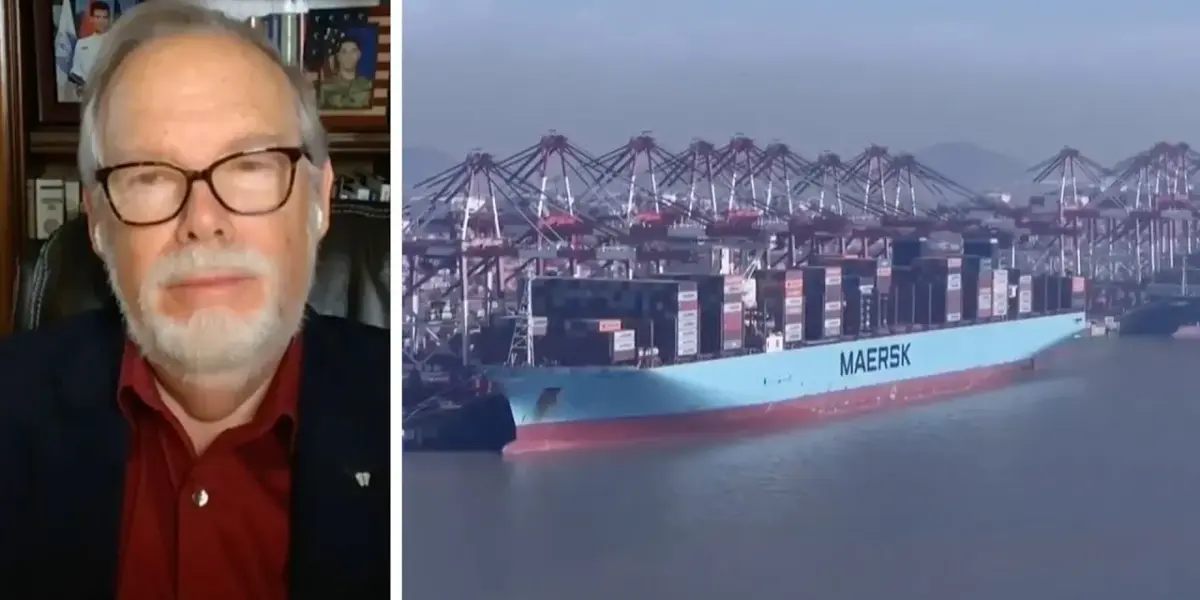
China’s Geopolitical Tightrope: Iran Arms or Energy Security?
The global stage is a complex chessboard, and China finds itself in a particularly tricky position regarding its relationship with Iran and the demands of the United States. At the heart of the issue lies China’s significant reliance on Iranian crude oil, a critical energy source. This reliance is now clashing with increasing pressure from the Trump administration, which is aiming to isolate Iran and block its access to global energy markets.
Author Steven Moer suggests that China faces a stark choice: continue supplying weapons to Iran’s Revolutionary Guard, potentially prolonging regional conflict and facing U.S. sanctions, or pressure Iran to negotiate by cutting off weapons shipments. Moer believes China will likely choose the latter, driven by its own energy crisis. The author points to a series of recent diplomatic and economic setbacks for China in other regions, such as Venezuela, Greenland, and Cuba, as evidence that Beijing is reassessing its global strategy.
Trump’s Decisive Stance and Shifting Alliances
Moer highlights President Trump’s assertive approach, describing it as “shock and awe” for Beijing. The administration’s actions, including blocking Iranian ports, have put China in a difficult spot. The Strait of Hormuz, a vital shipping lane, has been a point of contention, with Iran threatening to close it. However, the U.S. has effectively countered this by ensuring freedom of navigation for most vessels while restricting access to Iranian ports.
This strategy has reportedly led to Chinese tankers seeking oil from alternative sources, like Venezuela and the U.S. Gulf Coast. This shift suggests China is beginning to yield to U.S. pressure, especially with the threat of significant tariffs. President Trump has warned of 50% tariffs on countries supplying weapons to Iran. Moer views this as a potent tool, citing past instances where similar threats led China to curb the shipment of fentanyl precursors, purchase U.S. soybeans, and buy Boeing aircraft.
“China has been trying to play nice with the United States because they’re dealing with someone who and Donald Trump who has a very nice smile, but he has steel teeth and they now know that.”
Beyond Iran: China’s Trade Imbalances and Economic Strategy
The conversation extends beyond the immediate Iran crisis to broader economic issues. Secretary Scott Besson has called attention to China’s massive trade surplus with the United States. Moer explains that China’s economic strategy is driven by state planning rather than market principles. This leads to overinvestment in certain industries, like steel, creating massive overcapacity that floods global markets with cheap goods.
This practice, described as monopolistic behavior, harms other economies. Moer suggests that China needs to develop a stronger consumer economy and adhere to market principles, a significant challenge for a one-party dictatorship. The U.S. administration, through actions like securing American oil sales to China, is working to reduce this trade imbalance. Moer argues that this strategic isolation weakens China and contributes to global peace.
Taiwan and Human Rights: Persistent Concerns
The discussion also touches upon the sensitive issue of Taiwan. The recent meeting between the leader of Taiwan’s pro-China party and Xi Jinping is seen by Moer not as a significant shift, but rather as a propaganda move that makes the Taiwanese party appear weak. Moer emphasizes that the people of Taiwan do not wish to be governed by Beijing and would resist an invasion.
The situation in Hong Kong serves as a cautionary tale. The erosion of freedoms promised under the Sino-British agreement and the heavy-handed control by Beijing have damaged the city. The sentencing of democracy advocate Jimmy Lai is a stark example of this repression.
Why This Matters
The U.S. administration’s insistence on addressing human rights issues, including the case of Jimmy Lai, is crucial. Moer argues that the Chinese Communist Party views discussions on human rights, the rule of law, and multi-party democracy as direct threats to its power. By bringing these issues to the forefront, the U.S. raises global awareness and supports the aspirations of the Chinese people for freedom. The ultimate goal, Moer concludes, is a more peaceful world, which is more likely to be achieved with a weaker and freer China.
Future Outlook
The geopolitical and economic pressures on China are mounting. Its reliance on energy imports, coupled with U.S. trade policies and a renewed focus on human rights, creates a complex environment. China’s ability to navigate these challenges will shape its role in the global economy and its relationships with key international players. The potential for continued strategic isolation and the internal push for market-based reforms will be critical factors in determining China’s future trajectory.
Source: China Will Be Forced to Deny Iran Military Weapons Amid Energy Crisis: Author (YouTube)

Related Articles
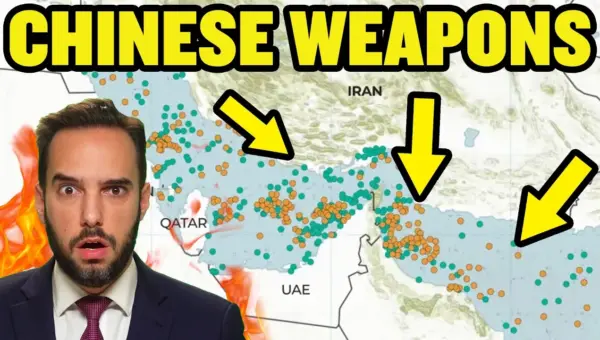
China Aids Iran Amid US Conflict Escalation
Recent intelligence suggests China is secretly supplying Iran with weapons like MANPADS and sharing critical intelligence, a significant escalation from its previous stance. This move, if confirmed, could deepen regional conflict and lead to severe US economic retaliation, while highlighting long-standing strategic ties between Beijing and Tehran.
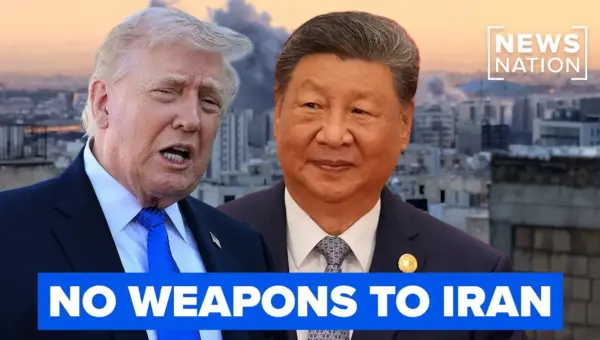
China Backs Strait of Hormuz Blockade, Halts Iran Arms
China has agreed not to supply weapons to Iran and is not opposing the U.S. naval blockade in the Strait of Hormuz. This significant development comes as President Trump prepares for a state visit to China and aims to pressure Iran by controlling vital shipping lanes. The move impacts global trade and reshapes regional power dynamics.

US Imposes Iran Port Blockade; Peace Talks Loom Amid Tensions
U.S. forces have fully implemented a blockade on Iranian ports, halting trade amid escalating Middle East tensions. Peace talks between the U.S. and Iran are reportedly on the horizon, though Iran's nuclear program remains a key obstacle. Meanwhile, historic direct talks between Israel and Lebanon took place in Washington, marking a significant diplomatic step.