GOP Eyes Reconciliation to Fund DHS for Years
Republicans are exploring the use of Senate reconciliation to pass a long-term funding bill for the Department of Homeland Security, aiming for stability and bypassing Democratic opposition. The strategy could provide multi-year funding for agencies like ICE and TSA, focusing on public safety.

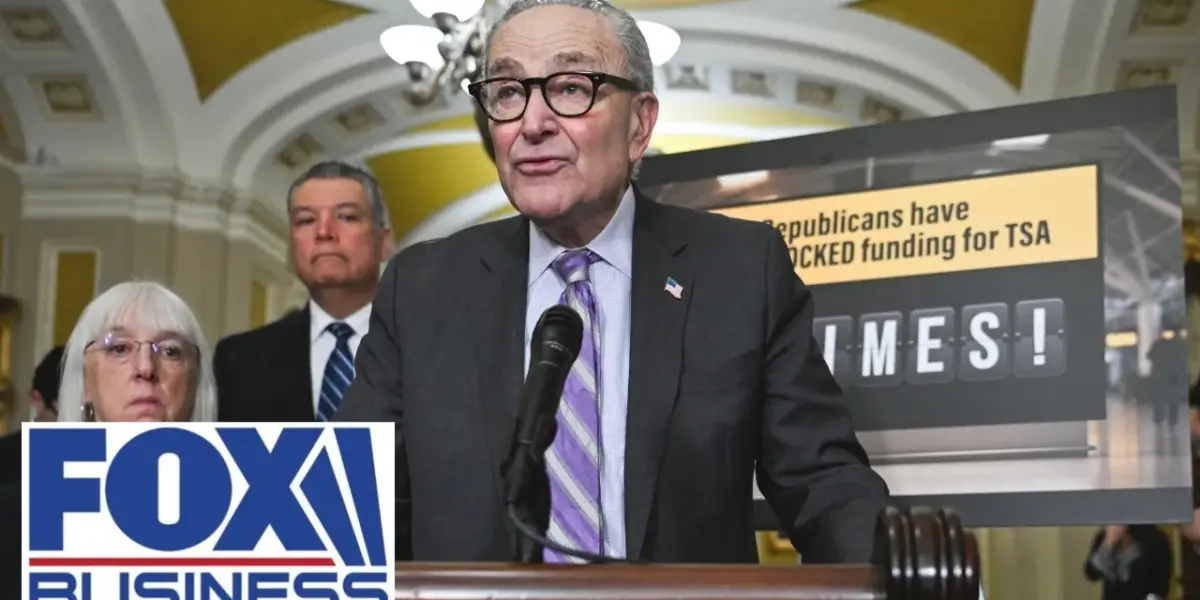
GOP Eyes Reconciliation to Fund DHS for Years
Republicans are looking to use a special Senate process called reconciliation to pass a long-term funding bill for the Department of Homeland Security (DHS). This move comes as a disagreement persists with Democrats over how to fund agencies like Immigration and Customs Enforcement (ICE) and the Transportation Security Administration (TSA).
Senator Marsha Blackburn of Tennessee stated that the public is losing patience with the ongoing funding battles. She believes Democrats have shown a consistent desire to defund law enforcement and even abolish ICE. Because of this, Republicans feel they need to proceed without Democratic support, similar to how they passed the “big beautiful bill working family tax cut.”
Reconciliation as a Path Forward
Reconciliation is a budget procedure in the U.S. Senate that allows certain legislation to pass with a simple majority vote, bypassing the need for the usual 60 votes to end a filibuster. Republicans plan to use this to secure funding for DHS operations, including ICE, TSA, investigations, and FEMA. They aim for a funding period of at least three and a half years, potentially extending up to 10 years.
Senator Blackburn explained that the goal is to create enough stable funding to push back against what she described as Democrats’ efforts to abolish ICE and defund the police. She believes Democrats are willing to make the American people suffer to achieve these aims, using them as “pawns” in the process. The proposed reconciliation bill would focus heavily on public safety.
Broader Fiscal Goals
The discussion also touched on other potential uses for reconciliation. Senate Majority Leader John Thune mentioned the possibility of addressing fiscal year 2026 and 2027 budgets with a more comprehensive approach. This could include measures related to voter ID laws, which Senator Blackburn noted have seen Democrats voting against protections for ballot boxes while claiming to support them.
Beyond public safety, Republicans are looking at other areas. Senator Blackburn mentioned addressing healthcare issues and exploring ways to redirect government spending. She pointed to President Trump’s efforts to return responsibility money to states.
The idea is to find savings through processes like rescissions, which means canceling previously approved spending, and then reallocating those funds to priorities favored by U.S. citizens. Many citizens are currently benefiting from tax refunds due to the existing working family tax cuts.
Tennessee’s Business Appeal
The conversation shifted to Tennessee’s economic success. Senator Blackburn highlighted the state’s appeal to businesses, citing the absence of state income tax and property tax as major draws. She mentioned Starbucks opening a large office in the state as a recent example, alongside other companies relocating there.
She noted that many businesses are moving from states like California, Illinois, and New York, seeking Tennessee’s diverse economy. The senator proudly stated that Tennessee is one of the best places in the United States to live, work, raise a family, and create jobs for future generations. This economic environment is seen as a key benefit for its citizens.
Market Impact
The potential use of reconciliation for long-term DHS funding signals a significant shift in how Congress might approach agency budgets, especially in areas with political divides like homeland security and immigration enforcement. If successful, a multi-year funding bill could provide stability for these agencies, allowing for better planning and resource allocation. This stability could reduce the uncertainty often associated with government shutdowns or short-term funding patches.
For investors, this could mean more predictable operational environments for companies that interact with or are regulated by DHS agencies. However, the focus on specific policy goals within the reconciliation bill, such as border security measures or changes to enforcement priorities, could have varying impacts on different sectors. The broader fiscal goals mentioned, like spending rescissions, could also influence market sentiment regarding government spending and deficits.
What Investors Should Know
Investors should monitor the progress of this reconciliation effort. The outcome could impact the funding levels and operational focus of key government agencies.
The political maneuvering highlights ongoing debates about government spending, fiscal policy, and national priorities. The success of this approach could set a precedent for how future contentious budget issues are resolved.
The emphasis on economic growth and business-friendly policies in states like Tennessee, as highlighted by Senator Blackburn, is a broader trend. Investors might consider how state-level economic policies affect business investment and growth potential across different regions. The contrast between states with different tax structures and regulatory environments continues to be a factor in business location decisions.
Source: Dems are ‘using the American people as PAWNS’: GOP senator on DHS funding battle (YouTube)

Related Articles


Chinese Scientist Jailed for Smuggling Dangerous DNA
A Chinese researcher was sentenced to prison and deportation for smuggling E. coli DNA into the U.S. Yu Huan Shang's case highlights concerns about the security of biological research materials crossing borders. This incident points to a growing need for stricter oversight in international scientific exchanges.


DHS Worker Slain in Random Georgia Attacks
A Department of Homeland Security employee, Lauren Bullis, was killed in a random violent spree in Georgia. The suspect, a naturalized U.S. citizen with a prior criminal record, also killed another woman and critically injured a homeless man. The DHS is mourning the loss of their colleague as the investigation continues.

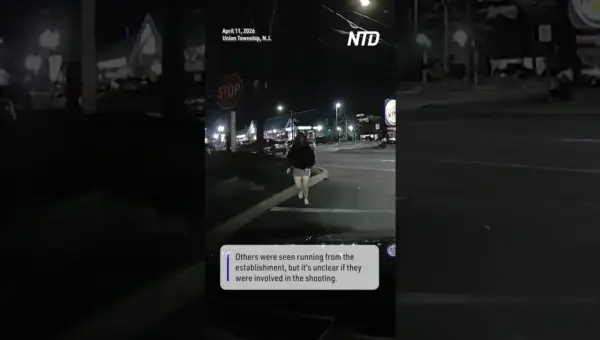
Gun Violence Erupts at NJ Chick-fil-A, Leaving Chaos
A shooting incident at a New Jersey Chick-fil-A has been captured on dashcam, showing the chaotic aftermath. This event highlights concerns about public safety in everyday locations and the ongoing issue of gun violence.