Iran Faces Pressure as Blockade Aims to Force Negotiation
An economic blockade is being employed to pressure Iran into negotiations amid ongoing conflict. While proponents believe this strategy will force Iran to the table, regional allies express concerns about potential escalation and the impact on global trade routes. The current situation remains uncertain, with no clear resolution in sight.


Global Tensions Rise Amidst Uncertain Path to Resolution
The ongoing conflict, which began on February 27th, remains in a precarious state, with experts suggesting a clear resolution is far from sight. International observers are closely watching the ebb and flow of hostilities and the potential for renewed fighting. The deployment of additional U.S. troops to the region is seen by some as an indicator that the conflict could resume.
Economic Pressure Mounts on Iran
A key strategy appears to be an economic blockade aimed at forcing Iran to the negotiating table. This approach, reportedly influenced by figures like Jared Kushner, is designed to cripple Iran’s economy and compel its leaders to seek a deal.
The belief among proponents is that this economic pressure will significantly impact Iran’s revenue, potentially cutting off around $140 million a day in oil export earnings. This strategy aims to make Iran’s financial position unsustainable, even with existing foreign reserves, ultimately impacting the civilian population and possibly leading to internal unrest.
“The economic pressure will be great, even though they have sufficient foreign and reserves it is not going to help their people the civilian population and I still think that we might see some kind of protests at some point if if the military campaign calms down.”
Regional Allies Express Mixed Sentiments
While some allies in the region reportedly want the United States to “finish the job,” there are also significant concerns. A primary worry is that the blockade could provoke Iran into closing crucial maritime choke points.
Beyond the Strait of Hormuz, the Bab al-Mandeb strait near Yemen, which leads into the Red Sea and the Suez Canal, is also a potential target. Such an action could have severe global economic consequences.
Uncertainty and Potential for Escalation
The current situation is described as an “interregnum,” a period of waiting where the ultimate direction of the conflict remains unclear. Neither the United States nor Iran can confidently declare victory at this moment. Iran, despite outward appearances, is believed to be in a more difficult and constrained position than it publicly admits.
Meanwhile, the United States faces its own challenges, including managing international relations and domestic political considerations, especially in a midterm election year. The upcoming summit between President Trump and Chinese President Xi Jinping adds another layer of complexity, as the U.S. Seeks to avoid escalating tensions before the meeting.
Diplomatic Maneuvers and Future Outlook
Amidst the uncertainty, diplomatic efforts are ongoing. The Pakistani Prime Minister’s upcoming visits to Saudi Arabia, Qatar, and Turkey are seen as an opportunity to gauge regional sentiment and potentially influence the path forward.
These diplomatic movements could affect the timing and likelihood of future negotiations. The possibility of undercover Israeli operations within Iran further highlights the tense and complex geopolitical landscape.
The Trump administration reportedly views the current strategy as one where “time is on the United States and its allies’ side.” They believe that the economic squeeze will eventually force Iran back to the negotiating table with terms more favorable to the U.S. and its allies. However, questions remain about whether this approach will lead to a peaceful resolution or further instability.
Key Takeaways from the Analysis
- The conflict is in an uncertain phase with no immediate resolution in sight.
- An economic blockade is being used as a primary tool to pressure Iran into negotiations.
- Regional allies have voiced both support for action and concerns about potential escalation.
- Iran is believed to be facing significant internal economic and political pressure.
- Diplomatic efforts and regional visits aim to assess and influence the evolving situation.
Ultimately, the success of the blockade and the subsequent negotiations will determine the future trajectory of the conflict. The coming weeks and months will be critical in observing how Iran responds to the sustained economic pressure and how international actors navigate this complex geopolitical challenge.
Source: Kim Ghattas: Wars are judged not by how they begin but how they end (YouTube)

Related Articles
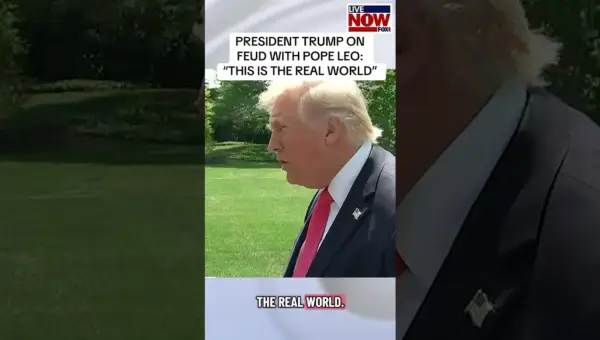
Trump Defends Pope Feud Over Iran Nuclear Threat
President Donald Trump defended his public disagreement with Pope Francis on Thursday, centering on Iran's nuclear program. Trump stated he must "do what's right" and believes Iran cannot obtain nuclear weapons, citing the danger to the world and the country's human rights record. He also noted his personal acquaintance with the Pope's brother, who supports the "MAGA" movement.
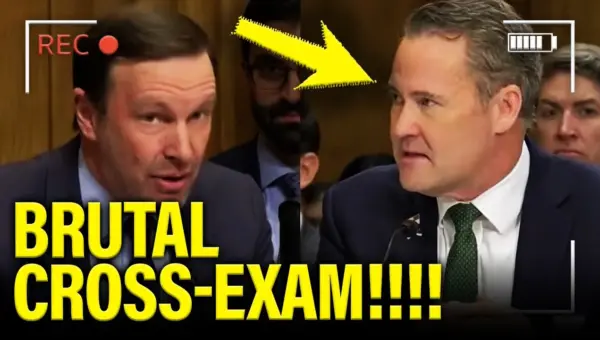
Trump Official Faces Scrutiny Over War Crime Allegations
Democrats in the Senate questioned Ambassador Mike Waltz about alleged war crimes during the Trump administration, focusing on statements regarding Iran and historical international law. Waltz defended the administration's actions, citing historical precedents and diplomatic outcomes.

Trump Eyes Iran Deal; Software Stocks Draw Investor Interest
Former President Donald Trump announced potential progress on an Iran deal and ceasefire talks, while the tech market shows signs of cooling after a strong rally. Investor Michael Bur's recent acquisitions in software stocks like Adobe and Salesforce are also drawing attention.