US Blocks Oil Flow: China Faces Rising Costs, Shifting Power
The US blockade impacting oil flow through the Strait of Hormuz is forcing China to pay higher energy prices and reconsider its global strategy. This move highlights China's dependence on imported energy and US markets, potentially shifting geopolitical power.

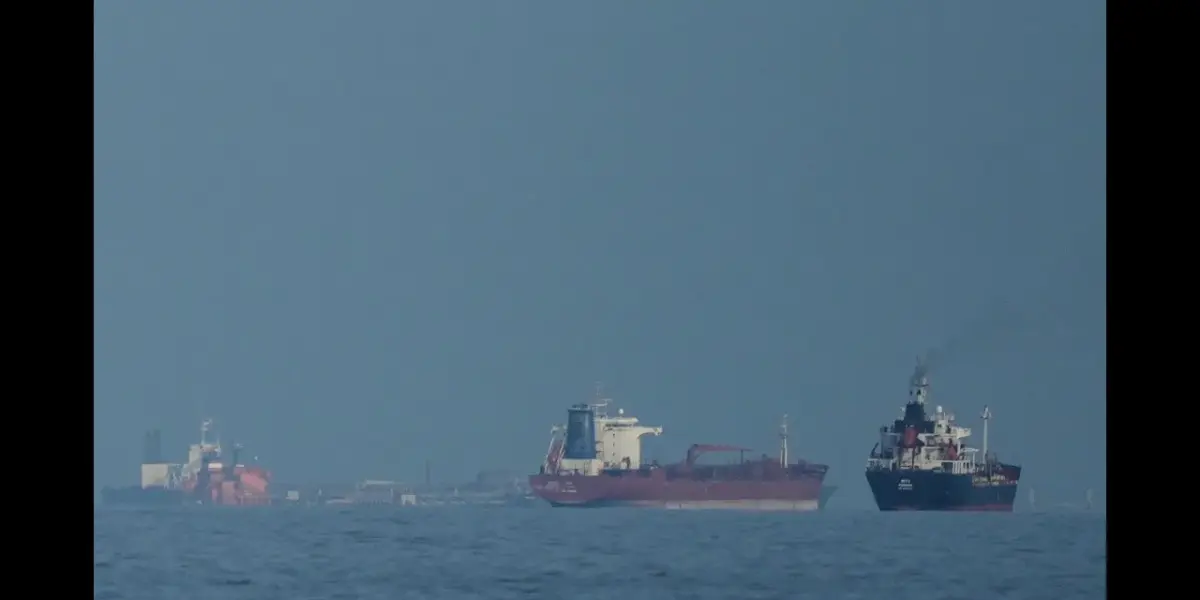
US Blocks Oil Flow: China Faces Rising Costs, Shifting Power
The United States has put pressure on China’s energy supply by blocking access to Iranian ports. This move, focused on the Strait of Hormuz, has direct economic and strategic impacts on China. It forces China to pay more for oil and consider new energy sources, potentially changing its global standing.
Energy Supply Disrupted
China relies heavily on the Middle East for oil and natural gas. When the US blocks access to ports like Iran’s, it disrupts this vital flow.
China has reportedly paid extra to move some oil shipments, but still receives less than it needs. This shortage directly impacts China’s supply chain.
Beyond the supply issue, the blockade also raises global oil prices. So, even if China gets its oil from different places, it ends up paying more. This means higher costs for China’s economy, affecting everything from manufacturing to consumer prices.
Geopolitical Chess Game
The US action isn’t just about oil; it’s a strategic move. Leaders from the United Arab Emirates (UAE) visited Beijing, hoping to push China away from its traditional ties with Iran. However, China showed little interest in changing its long-standing relationships.
For the first time, China is being forced to make difficult choices. This combination of economic pressure and geopolitical maneuvering could disrupt the plans of Chinese President Xi Jinping. The situation forces a re-evaluation of China’s global role and its alliances.
Where Else Can China Turn?
If the Strait of Hormuz remains closed, China faces a challenge in finding alternative energy sources. The Middle East supplies nearly half of China’s oil. While the closure might not be permanent, its duration is uncertain.
President Trump has suggested China could buy more oil from the United States. While this might shift dependency relationships, it doesn’t significantly change the overall global supply. Therefore, China has few reliable options for obtaining the massive quantities of energy it needs.
This is why the US is using this pressure. The goal is to pressure Iran’s government and, at the same time, pressure China. The US wants China to help reach a deal that allows goods to flow freely through the Strait of Hormuz.
China’s Role: Observer or Shaper?
China’s motivations in these global events are complex and debated. One view is that China often acts as an observer, waiting to see how events unfold and then seizing opportunities. It doesn’t typically try to shape these events.
So far, China hasn’t taken significant actions to alter the balance of power or the direction of this conflict. There were attempts by a few ships to break the blockade, but they turned back. It remains to be seen if more substantial challenges will occur.
China has also tried to appear as a peacemaker, suggesting it played a role in peace talks. However, reports indicate that Iran chose Pakistan as a meeting place because it had strained relations with most other neighbors. Europe, meanwhile, has been seen as a passive observer.
China could have a strategic impact by pressuring Iran to make a deal. This is one of the few remaining options for China to influence the situation.
Looking Ahead: The Trump-Xi Summit
The upcoming summit between President Trump and President Xi Jinping comes at a critical time. China recently hosted Taiwan’s opposition leader, calling for peace and reunification, despite never having ruled Taiwan.
Meanwhile, the US blockade impacts China’s energy needs and its economy. CNBC noted that China is a major exporter, making it vulnerable to such disruptions.
Shifting Leverage Points
President Trump’s actions have, in some ways, reduced China’s influence and increased the US’s. While the US isn’t in a perfect position, and China still holds some leverage, the energy situation has changed significantly.
Recent events highlight China’s reliance on the US market for its export-driven economy. This dependency is unlikely to change soon. China also depends heavily on imported energy, making the Strait of Hormuz blockade a direct threat to its economic interests.
This energy vulnerability could affect China’s actions in other regions, such as the South China Sea or regarding Taiwan and Japan. By limiting China’s energy reserves, the US is applying pressure that could influence its broader foreign policy decisions.
Why This Matters
The US blockade in the Strait of Hormuz is more than just a disruption of oil shipments. It’s a strategic move that affects global energy markets, forces geopolitical realignments, and puts pressure on China’s economic model. For China, it means higher energy costs and a potential need to rethink its global strategies.
For the US, it’s a way to exert influence and potentially force diplomatic solutions. The outcome will shape future trade relationships, energy security, and the balance of power between these two global giants.
Historical Context
The Strait of Hormuz has long been a critical chokepoint for global oil trade. Throughout history, control or disruption of this waterway has had significant economic and political consequences.
Major powers have often sought to ensure free passage through the strait, recognizing its importance to the global economy. The current tensions are part of a larger, ongoing dynamic of competition and influence in the Middle East and its impact on global trade routes.
Future Outlook
The situation suggests a trend towards increased economic pressure as a foreign policy tool. Both the US and China are likely to continue exploring ways to gain leverage over each other.
China may seek to diversify its energy sources more aggressively, while the US will likely continue to use its influence over key trade routes. The upcoming Trump-Xi summit will be a crucial test of whether dialogue can de-escalate tensions or if economic competition will intensify.
Source: How the US Blockade Hurts China Economically (YouTube)

Related Articles
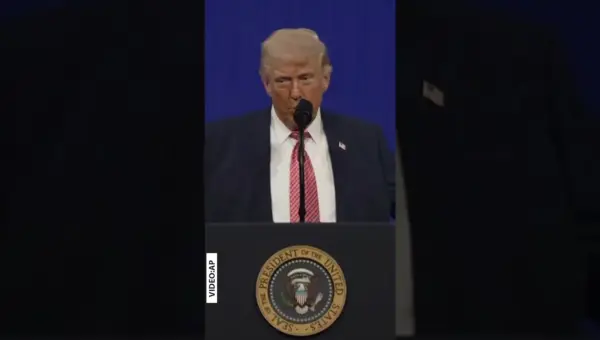
Trump Calls NATO ‘Paper Tiger,’ Criticizes War Stance
Former President Donald Trump labeled NATO a "paper tiger" and criticized the handling of the Ukraine war, citing high casualty figures. He suggested the conflict could have been avoided and that deep animosity between leaders hinders peace efforts.


Lebanon as Iran’s Proxy? Lebanon Speaks Out
A Lebanese voice is questioning if Lebanon is being used as a pawn in a larger conflict between Iran and Israel, challenging external narratives. The speaker describes the Iranian state as a violent "criminal enterprise" responsible for killing its own citizens, refuting claims that equate Iran's actions with those of the U.S. and Israel.
US Forces Eye Iran With New Strategic Options
U.S. military forces are reportedly exploring strategic options for operations in Iran, favoring surgical strikes over large ground invasions. Analysis of potential Iranian military positions near the Strait of Hormuz highlights key strategic considerations. The approach signals a departure from past large-scale conflicts, emphasizing precision and avoiding protracted engagements.