IMF Warns: Global Growth Faces Major Setback
The International Monetary Fund (IMF) has significantly downgraded its global growth forecast for 2026, citing the ongoing conflict in Iran as a major shock. The IMF warns of potential widespread economic slowdown, renewed inflation, and even a global recession if the situation deteriorates.

IMF Cuts Global Growth Forecast, Citing War Impact
The International Monetary Fund (IMF) has released updated forecasts for the global economy, and the outlook for 2026 is significantly dimmer than previously expected. The primary driver behind this downgrade is the ongoing conflict in Iran, which is disrupting energy markets and creating uncertainty. This situation is now impacting inflation, consumer confidence, international trade, and overall economic growth worldwide.
IMF’s Best-Case Scenario Shows Slowdown
The IMF’s central forecast, representing their most optimistic view for 2026, projects global growth at just 3.1%. While this figure might not sound alarming on its own, it’s crucial to understand that this is the best-case scenario. Even under these favorable conditions, the IMF anticipates that the global economy will face challenges, with inflation expected to remain around 4.4%. This figure marks a step backward from recent progress made in bringing inflation under control.
Adding to the concern, the IMF’s chief economist has suggested that the world may already be moving away from this best-case scenario. This implies that actual global growth could be weaker than the projected 3.1%.
Three Scenarios Paint a Stark Picture
The IMF has outlined three potential scenarios for the global economy:
- Reference Scenario (Best Case): Assumes the conflict in Iran is short-lived, energy markets stabilize, and oil prices decrease later this year. Global growth is forecast at 3.1%, with inflation around 4.4%.
- Adverse Scenario: This scenario anticipates longer disruptions, more damage to energy infrastructure, and continued pressure on oil supplies. Global growth would fall to 2.5%, and inflation would rise to 5.4%.
- Severe Scenario: In this worst-case outlook, the conflict continues to disrupt energy markets into 2027, inflation becomes more persistent, and financial conditions tighten significantly. Global growth could drop to around 2%, and inflation might climb above 6%.
A global growth rate of around 2% is historically a point where the world economy is considered to be on the brink of recession. These projections highlight that the IMF sees significant risks to the global economic outlook.
Why the IMF’s Forecasts Matter
The IMF, a global organization established to monitor economies, assess risks, and advise governments, provides these forecasts based on extensive analysis. Their warnings are not intended to create alarm but to provide a realistic assessment of current and potential future economic conditions. The current situation is described as a major shock to the global economy stemming from the conflict in Iran.
Key Channels of Impact
The war’s impact is working through several critical channels:
- Higher Energy Prices: Oil and gas are essential for nearly all economic activity. Rising prices increase costs for transportation, manufacturing, and production, leading to higher prices for consumers and reduced profits for businesses.
- Inflationary Pressures: When companies pass on higher energy costs and workers seek higher wages to cope with rising prices, a second wave of inflation, known as second-round effects, can occur. This makes it harder to bring inflation back down.
- Tighter Financial Conditions: If inflation remains stubbornly high, central banks may need to keep interest rates elevated for longer. This results in tighter financial conditions, potentially lowering asset prices and increasing the burden on borrowers, especially in emerging markets.
The combination of these factors leads to slower growth, higher inflation, and increased financial stress globally.
Comparison to Past Shocks
This situation draws parallels to the economic impact following Russia’s invasion of Ukraine, which also caused energy price surges and global inflation spikes. However, the global economy is currently in a more fragile state, leaving policymakers with less room to maneuver. If inflation expectations begin to rise again, central banks might be forced to prioritize controlling inflation over stimulating growth, which could lead to a rapid economic downturn.
Oil Prices and Global Scenarios
The price of oil is central to these forecasts. In the IMF’s best-case scenario, oil averages around $80 per barrel in 2026. In the adverse scenario, prices approach $100 per barrel. In the severe scenario, oil could average above $100, potentially reaching $120, which would have a significantly damaging effect on the global economy. At such levels, energy costs become a major drag on growth, affecting everything from transportation and food to manufacturing and household spending.
Regional Impacts Vary
The IMF predicts that Europe will be hit harder than the United States due to its greater reliance on energy imports. The U.S. economy is seen as more resilient, supported by domestic demand and investment. China’s growth is expected to continue but at a slower pace, while India is identified as a brighter spot with relatively strong growth prospects. However, emerging markets face the most significant pressure. These countries often have less economic flexibility, weaker currencies, and a higher exposure to increased energy costs.
In the Middle East itself, the impact is severe, with some nations facing actual economic contractions due to the conflict and its disruption to energy supplies and trade routes.
Policy Recommendations: Avoid Panic
The IMF advises governments against overreacting to the economic pressures. While there may be a temptation to implement broad measures like subsidies or fuel tax cuts to shield consumers, the IMF warns that such untargeted support can worsen deficits and fuel inflation. Instead, the IMF recommends that any support should be targeted, temporary, and focused on the most vulnerable populations. The message is to avoid panic and refrain from implementing policies that could create larger problems in the future.
U.S. Response and IMF’s Caution
U.S. Treasury Secretary Scott Bessant has expressed skepticism regarding the IMF’s forecasts, suggesting that the IMF and World Bank might be overreacting and that the U.S. economy can navigate this period relatively quickly. However, this perspective appears to differ from the IMF’s assessment, which outlines a range of potential outcomes with risks clearly tilted to the downside. Dismissing the IMF’s warnings entirely may be seen more as a political stance than an economic one.
The War’s Economic Ripple Effect
The conflict in Iran has moved beyond being purely a geopolitical issue; it is now a significant factor impacting global growth. The IMF’s forecasts reflect this reality, highlighting increased inflation risks and heightened uncertainty across financial markets. Even in the best-case scenario, economic damage is occurring. The longer the conflict persists, the greater the potential for economic fallout. Increased uncertainty leads to reduced investment, supply disruptions cause higher prices, and persistent high prices necessitate tighter monetary policy, ultimately slowing economic growth – a combination the global economy can ill afford at this time.
Conclusion: A Challenging Outlook
In summary, the IMF’s message is clear: the global economy faces a challenging period. The best-case scenario points to slower growth. A middle-ground scenario suggests significant weakening and renewed inflation. The worst-case scenario places the world economy on the verge of a global recession. This outlook underscores the critical importance of monitoring these developments closely.
Source: IMF Shock (YouTube)

Related Articles


Tax Refunds Swell, Boosting Consumer Spending Power
Millions of Americans are receiving larger tax refunds this year, totaling an average of $3,500, an 11% increase from last year. While this boost could fuel consumer spending and aid the economy, it arrives amidst rising inflation for gas and groceries. Experts highlight the importance of timely tax filing to secure these refunds.


Trump’s Economy Faces Recession Warnings Amid Global Fears
Global recession fears are intensifying as the IMF issues stark warnings, while a Harvard academic predicts a trillion-dollar taxpayer burden for the U.S. The Trump administration, however, continues to project optimism, creating a notable contrast with expert analyses. This divergence highlights critical questions about economic preparedness and the potential impact of global instability on American taxpayers.
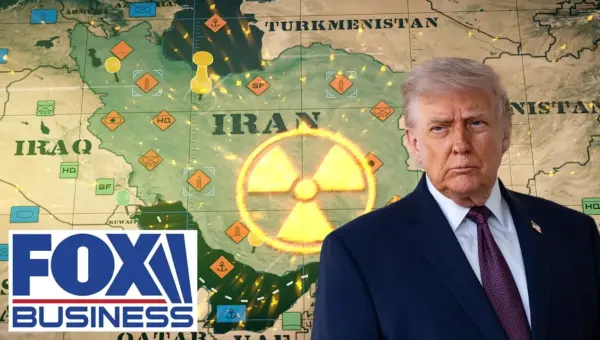
Trump: Nuclear Deal Crucial for Oil Prices
Former President Donald Trump linked the resolution of nuclear threats, particularly concerning Iran, to a stabilization and potential decrease in global oil prices. He highlighted strong domestic economic performance, including stock market highs, despite international tensions, and emphasized the benefits of his tax reform policies.