Trump’s Gnat-Like Focus Fuels Risky Diplomacy
Donald Trump's use of escalating rhetoric, even admitting it's a tactic to appear unstable, is aimed at pushing nations to negotiations. This approach, driven by a reported boredom with prolonged conflicts and a short attention span, risks international instability.

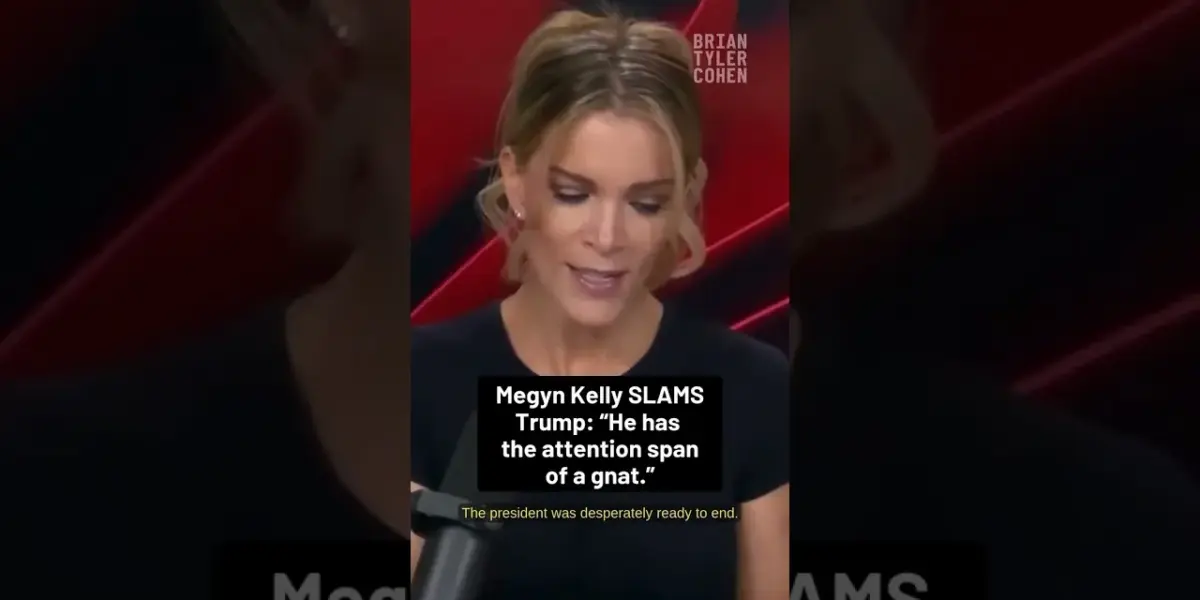
Trump’s Gnat-Like Focus Fuels Risky Diplomacy
Donald Trump’s approach to international relations often involves a sharp increase in harsh words, especially when negotiations seem stalled. This pattern was recently highlighted in discussions around potential ceasefires and diplomatic responses. Trump’s tendency to escalate rhetoric, as noted in a Wall Street Journal article, appears to be a deliberate strategy.
The article revealed that this escalation is a tactic Trump has admitted to using. The goal is to project an image of instability and to be as insulting as possible. The belief behind this approach is that such behavior might pressure adversaries, like the Iranians, into negotiations.
This tactic was evident in a post stating, “A whole civilization will die.” Trump apparently saw this extreme language as a way to kick-start talks in a conflict he was eager to conclude. This suggests a willingness to use provocative statements to achieve foreign policy goals, even at the risk of further inflaming tensions.
Axios reported that Trump is bored with the ongoing war and wants it to end. For those who have opposed the conflict from the start, seeing it wrapped up is a welcome development, regardless of the motivation. However, the underlying sentiment is that starting such a significant undertaking without the patience to see it through raises serious questions about leadership.
Why This Matters
The implications of this approach are significant for global stability and American foreign policy. When a leader uses aggressive rhetoric and shows a lack of sustained focus, it can create uncertainty for allies and adversaries alike. This unpredictability can make diplomatic solutions harder to achieve and increase the risk of miscalculation.
Trump’s reported boredom with conflicts, coupled with his “gnat-like” attention span, means that critical issues could be abandoned or mishandled. The focus shifts from strategic long-term goals to the immediate need to move on to the next perceived crisis or distraction. This can leave complex international problems unresolved and American interests vulnerable.
Historical Context and Trends
Throughout history, diplomacy has often involved a delicate balance of pressure and persuasion. Leaders have used strong language and displays of resolve to gain an advantage. However, Trump’s method appears to push the boundaries of traditional diplomacy by prioritizing perceived instability and insult as a primary tool.
This aligns with a broader trend in global politics where leaders sometimes use inflammatory rhetoric to mobilize domestic support or to shock international actors into action. The effectiveness of such tactics is debatable and often depends on the specific context and the nature of the parties involved. For instance, a tactic that might work with one nation could backfire severely with another.
Future Outlook
The future of American foreign policy may continue to be shaped by this tension between aggressive rhetoric and the need for sustained, patient diplomacy. If leaders consistently prioritize short-term attention and provocative statements over long-term strategy, international relations could become even more volatile.
The challenge for future administrations will be to navigate a world where such tactics are employed, while still striving for stable and predictable international engagement. This requires a deep understanding of the potential consequences of escalating rhetoric and a commitment to patient, consistent diplomatic efforts. The outcome of these approaches will likely be seen in the stability of global alliances and the resolution of ongoing international conflicts.
Source: Megyn Kelly SLAMS Trump: “He has the attention span of a gnat.” (YouTube)

Related Articles
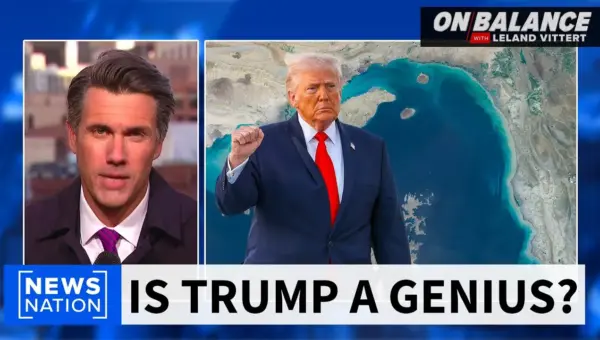
Trump’s Iran Cease-Fire Extension: Genius Move or Political Paralysis?
President Trump's decision to unilaterally extend a cease-fire with Iran has sparked debate, with two main interpretations: a brilliant strategic move or political paralysis. While Iran dismisses the extension, the U.S. continues its pressure campaign, but its momentum appears to have shifted. The outcome will significantly impact regional stability and Trump's legacy.
Trump’s ‘Magic’ Fades as Voters Tune Out, Analysts Say
Political analyst Gerard Baker suggests Donald Trump's "magic" is fading as voters grow tired of his rhetoric, citing declining approval ratings and skepticism over his foreign policy claims, particularly regarding Iran. Baker and Katie BS discuss the complexities of the Iran negotiations and compare potential deals to the past JCPOA agreement.
Iran’s IRGC Shows Power, Trump Admin’s Clock Ticks Faster
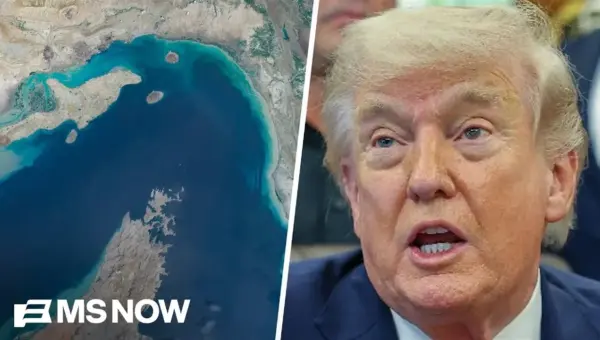
Iran's Revolutionary Guard is demonstrating significant power in the Strait of Hormuz, challenging U.S. claims of weakening its capabilities. Experts suggest the clock is ticking faster for the Trump administration to find a diplomatic off-ramp, as current strategies appear insufficient to deter Iranian actions or force a change in negotiating positions.