Trump’s Iran Cease-Fire Extension: Genius Move or Political Paralysis?
President Trump's decision to unilaterally extend a cease-fire with Iran has sparked debate, with two main interpretations: a brilliant strategic move or political paralysis. While Iran dismisses the extension, the U.S. continues its pressure campaign, but its momentum appears to have shifted. The outcome will significantly impact regional stability and Trump's legacy.

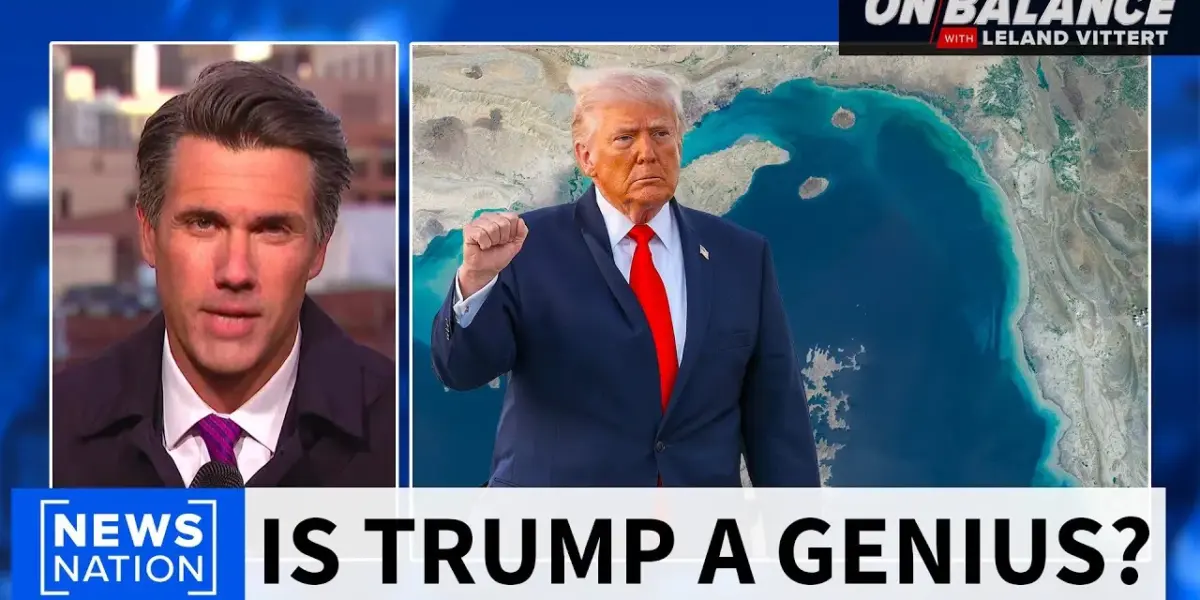
Trump’s Iran Cease-Fire Extension: Genius Move or Political Paralysis?
President Trump recently made a move that has left many observers scratching their heads: he unilaterally extended a cease-fire with Iran. This decision, made just as peace talks were expected to begin, seems to put Iran in the driver’s seat.
It’s a puzzling choice, especially since Iran’s government appears to be internally fractured. Usually, when an enemy is weak, you press your advantage, not offer them a pause.
The White House offered a simple explanation: the Iranian government is seriously divided. This suggests a potential strategy. Perhaps the United States believes this internal conflict can be exploited.
By extending the cease-fire, the U.S. might be hoping Iran’s leaders will fight amongst themselves. This could create an opening for more favorable terms down the line.
Two Possible Explanations for the President’s Move
There are two main ways to look at this situation. The first is that President Trump is a brilliant strategist. He might know something the public doesn’t, like deep internal divisions within Iran’s leadership.
In this scenario, the cease-fire extension is a calculated risk, designed to let Iran’s own problems weaken it further. This could be seen as a clever way to avoid direct confrontation while still applying pressure.
The second explanation is far less flattering. It suggests President Trump is paralyzed by difficult choices. He might be stuck between bad options and is no longer enforcing his own deadlines.
Instead of dictating terms, he appears to be waiting for Iran to make the next move. This could be interpreted as a sign of weakness or indecision, leaving the U.S. without its previous momentum.
Iran’s Reaction and the Shifting Momentum
Iran’s response to the cease-fire extension has been dismissive. Reuters reported that the Islamic regime stated the extension means nothing, as the losing side cannot dictate terms. This highlights the delicate balance of power.
Just two weeks ago, America seemed to have the upper hand with significant military successes. Now, that momentum appears to have shifted, with Iran seemingly in control of the next steps.
The U.S. military has continued to apply pressure, however. Overnight, U.S. forces boarded a sanctioned oil tanker in the Indian Ocean. This action shows the campaign to cut off Iran’s financial resources is ongoing.
The goal is to hit the regime’s ability to fund itself and maintain power. This ongoing pressure is a key part of the strategy, regardless of the cease-fire extension.
Historical Context: The Art of the Deal and International Relations
This situation brings to mind President Trump’s negotiation style, often described as ‘The Art of the Deal.’ This approach typically involves a cycle of demands, threats, and declarations of victory. It’s designed to give the negotiator flexibility.
However, in this case, the strategy seems less clear-cut. The extension of the cease-fire appears to be a departure from his usual assertive tactics.
Historically, dealing with Iran has been complex. For decades, U.S. presidents have struggled to find a stable path forward.
President Trump, in particular, has taken a hard line against Iran, withdrawing from the previous nuclear deal and imposing sanctions. This cease-fire extension marks a significant, and perhaps perplexing, shift in that established policy.
China’s Role and Broken Promises
Another significant unknown in this equation is China’s involvement. China is often seen as Iran’s only real friend on the international stage.
President Xi Jinping had previously promised President Trump that China would not send weapons to Iran during the cease-fire. However, there is evidence to suggest this promise may have been broken.
Reports indicate that a ship carrying concerning items, possibly from China, was intercepted. This raises questions about the reliability of international agreements.
If China is arming Iran during a cease-fire, it undermines the entire peace process and puts the U.S. in a difficult position. This adds another layer of complexity to an already tense geopolitical situation.
Why This Matters
The outcome of this situation will have significant implications for regional stability and President Trump’s legacy. If the cease-fire extension leads to a favorable resolution, it could be hailed as a masterstroke of diplomacy. However, if it results in Iran gaining the upper hand or further emboldens adversaries, it could be seen as a major strategic blunder.
The U.S. needs to regain its momentum and ensure its interests are protected. The pressure campaign against Iran’s finances must continue.
Iran must truly believe that President Trump is willing to restart and finish the conflict if necessary. Without this credible threat, any diplomatic gains could be temporary and ultimately detrimental to American interests.
Future Outlook
The coming days and weeks will be crucial. The effectiveness of the U.S. blockade and the internal dynamics within Iran will determine the next steps.
Whether President Trump’s gamble pays off or leads to further complications remains to be seen. The world is watching to see if this perplexing move will ultimately lead to peace or further instability in the region.
The current situation demands clear strategy and decisive action. The U.S. must continue to strangle the Iranian regime’s flow of money.
Only then can this conflict become a legacy-defining event for President Trump. If the Iranian regime does not truly believe Trump will restart and finish this war, nothing good can come from the current approach.
Source: Trump extending ceasefire is a perplexing move: Vittert | On Balance (YouTube)

Related Articles
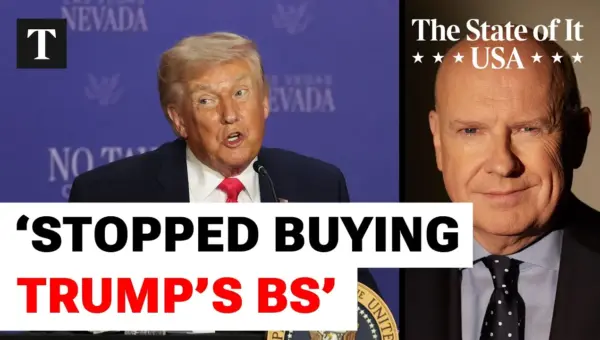
Trump’s ‘Magic’ Fades as Voters Tune Out, Analysts Say
Political analyst Gerard Baker suggests Donald Trump's "magic" is fading as voters grow tired of his rhetoric, citing declining approval ratings and skepticism over his foreign policy claims, particularly regarding Iran. Baker and Katie BS discuss the complexities of the Iran negotiations and compare potential deals to the past JCPOA agreement.
Iran’s IRGC Shows Power, Trump Admin’s Clock Ticks Faster
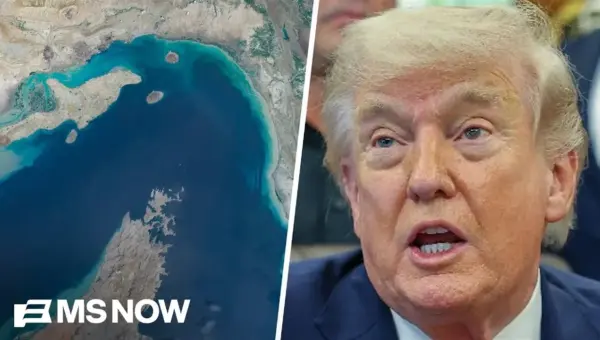
Iran's Revolutionary Guard is demonstrating significant power in the Strait of Hormuz, challenging U.S. claims of weakening its capabilities. Experts suggest the clock is ticking faster for the Trump administration to find a diplomatic off-ramp, as current strategies appear insufficient to deter Iranian actions or force a change in negotiating positions.

Iran Readies ‘New Cards’ Amidst US Sanctions Standoff
Iran is signaling a readiness to escalate its conflict with the U.S. and Israel, agreeing to talks in Pakistan amid demands for sanctions relief. Meanwhile, U.S. President Trump faces scrutiny over his narrative of the conflict, while geopolitical rivals China and Russia appear to benefit from the shifting global dynamics. Ukraine continues its push for financial aid and stronger sanctions against Russia.