US Air Traffic Control Gets a Tech Makeover
America's air traffic control system, reliant on 1960s technology, is undergoing a massive overhaul. The DOT and FAA are working with industry partners to build a modern, safe, and efficient system, aiming for completion by 2028. This ambitious project promises to replace outdated equipment with advanced technology, creating jobs and improving air travel.


US Air Traffic Control Gets a Tech Makeover
For decades, America’s air traffic control system has been stuck in the past, relying on technology from the 1960s and 70s. Think floppy disks and paper flight strips – tools that feel ancient in our modern, digital age.
This outdated system has been a growing concern, especially after an air traffic control system failure in New York last year briefly cut off communication between controllers and planes. Now, a major effort is underway to bring this critical infrastructure into the 21st century.
This ambitious project, led by the Department of Transportation (DOT) and the Federal Aviation Administration (FAA), aims to create the best air traffic control system in the world. It’s a plan that acknowledges past failures; similar modernization efforts, like the one called NextGen 25 years ago, promised upgrades but never fully delivered. This time, the commitment is to be radically transparent, keeping the public informed about progress, delays, and successes.
Safety First, Technology Second
The question on many travelers’ minds is simple: Is flying safe? The answer from officials is a resounding yes.
Flying is actually the safest way to travel, even safer than driving to the airport. This safety record isn’t due to cutting-edge technology, but rather the skill of air traffic controllers and pilots.
However, officials argue that Americans, living in the most technologically advanced country, deserve the most advanced air traffic control system. The goal is to build a system that not only ensures safety but also boosts efficiency and reliability, reducing delays and cancellations that frustrate travelers. This upgrade is seen as essential for national security and economic progress.
A Massive Undertaking
This modernization is being called the largest overhaul of aviation since the dawn of jet travel. It will require an estimated 10 million labor hours, involving over 50 different companies and dozens of skilled trades, from engineers to welders. Work will take place at 4,600 different locations across the country, creating American jobs and supporting families.
A key focus is manufacturing critical components, like radar systems, in America. It’s been a decade since the U.S. last manufactured its own radars, and this project aims to change that.
This ensures that the technology keeping American skies safe is built by American workers for the American airspace. The scale is immense, with more work sites than Chick-fil-A has restaurants nationwide.
Progress and Early Wins
Significant progress has already been made in the first year. Half of the old copper wires have been replaced with faster fiber optic cables. This upgrade has already shown results, with Newark Liberty International Airport seeing improved on-time performance after recent wire replacements fixed previous communication issues.
Nearly 270 radio sites have been converted, and 40 new voice switches have been installed. These aren’t minor upgrades; many of the old radios dated back to the 1970s and 80s, prone to static. The new systems promise crystal-clear communication between controllers and pilots, eliminating the interference that plagued older equipment.
New surface awareness systems have also been installed at 54 airports. These systems act like an AirTag for planes on the tarmac, giving controllers a clear digital view of aircraft movements, even in bad weather. This technology helps avoid the slowdowns and shutdowns caused by poor visibility, much like how a controller might use binoculars, but with far greater accuracy and reliability.
17 air traffic towers have transitioned to electronic flight strips, replacing the paper slips that controllers used to pass information. This digitization streamlines communication and improves efficiency as planes are handed off between controllers. These upgrades are designed to make travel smoother, skies safer, and to attract a new generation of talent to air traffic control.
Industry Collaboration and Future Outlook
The project has brought together a diverse group of stakeholders, including airlines, technology companies, and unions, forming the Modern Skies Coalition. This coalition, comprising over 50 organizations, emphasizes a unified vision for modernizing the airspace. This collaboration is crucial, as these groups often compete but are now working together toward a common goal.
Industry leaders have expressed optimism and gratitude for the administration’s approach, highlighting the speed and transparency of the current efforts. They note that while challenges remain, the project is moving forward at a pace rarely seen in government initiatives. The focus is on building a system ready for future air traffic demands, not just current needs.
The use of advanced technology, including artificial intelligence, is a key component of the modernization. AI is being used to manage the project at an unprecedented scale, analyzing millions of records daily to identify risks and optimize schedules. This technology aims to make human decision-makers more effective, not replace them, ensuring that the project stays on track and within budget.
The FAA’s Chief Technology Officer, Rebecca Guy, is tasked with bringing the new vision to reality by 2028, a drastic acceleration from the typical 10-20 years for such projects. The project’s success hinges on continued funding, with a significant portion of the $12.5 billion bill already allocated for infrastructure. However, additional funding will be needed for the crucial software development phase.
Why This Matters
This overhaul is critical for the future of travel and commerce in the United States. An outdated air traffic control system leads to delays, cancellations, and increased costs for airlines and passengers alike. By modernizing the infrastructure, the U.S. aims to ensure safer skies, more efficient travel, and a stronger economy.
The project also addresses the need to attract and retain skilled air traffic controllers. Younger professionals are drawn to modern technology, and providing them with state-of-the-art tools is essential for recruitment. This investment is not just in hardware and software, but in the people who keep our skies safe.
Looking Ahead
The current plan aims to complete the initial infrastructure build within two and a half years, with the software development expected to follow. The ambition is to have a completely new, modernized air traffic control system operational for Americans by 2028. The success of this initiative will depend on sustained funding, effective execution, and continued collaboration between government and industry.
Source: Watch live: Sean Duffy unveils air traffic changes (YouTube)

Related Articles


Air Traffic Control Gets a Tech Upgrade for Safety
Transportation Secretary Sean Duffy is pushing to modernize the U.S. air traffic control system using new technology like AI. This effort aims to improve safety and capacity, especially after recent incidents highlighted the system's aging infrastructure. The plan includes software upgrades, new hardware, and hiring more controllers, but faces significant funding challenges.
Georgia Town Fights Back Against ICE Mega-Center Plan
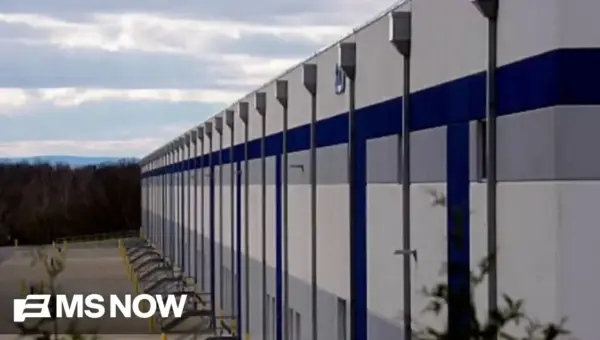
A small Georgia town is fighting back against a plan to build a 10,000-bed immigration detention center. Residents of Social Circle are concerned about inadequate water and sewage systems and feel betrayed by the secret sale of a former retail warehouse to the Department of Homeland Security. The project has been halted amid local and senatorial opposition.


Near Miss, Bomb Threats Disrupt Air Travel
A near-miss incident at Nashville International Airport and a series of bomb threats across the U.S. caused major disruptions to air travel over the weekend. Passengers experienced terrifying evacuations and flights were diverted as authorities investigated potential threats, raising concerns about aviation security.