Trump’s ‘Magic’ Fades as Voters Tune Out, Analysts Say
Political analyst Gerard Baker suggests Donald Trump's "magic" is fading as voters grow tired of his rhetoric, citing declining approval ratings and skepticism over his foreign policy claims, particularly regarding Iran. Baker and Katie BS discuss the complexities of the Iran negotiations and compare potential deals to the past JCPOA agreement.

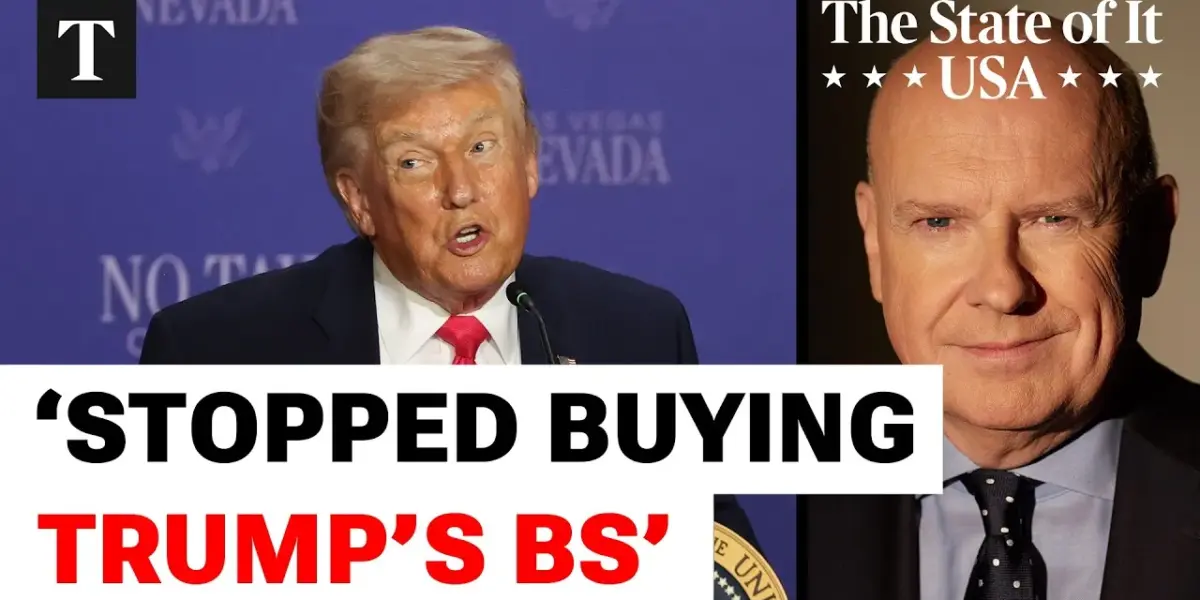
Trump’s Influence Wanes Amidst Shifting Voter Sentiment
Former President Donald Trump appears to be losing his political “magic,” as a growing number of voters are reportedly tuning out his rhetoric, according to analysis from Gerard Baker, editor at large of the Wall Street Journal and columnist for The Times.
This assessment comes as Trump faces renewed scrutiny over his handling of foreign policy, particularly concerning ongoing negotiations related to Iran. Despite claims of significant achievements, such as the purported reopening of the Strait of Hormuz, these assertions have been met with skepticism and contradiction from Iranian officials.
Iran Negotiations: A Deal in the Making or Crumbling Promises?
Baker and Katie BS, Washington editor for The Times and Sunday Times, discussed the complex diplomatic efforts aimed at reaching a permanent end to the conflict involving Iran. Both sides, including the U.S. team, seem to be seeking an exit from the situation, largely due to the war’s unpopularity within the United States.
Recent optimism about a potential deal began to surface, with sources close to the administration suggesting a breakthrough was imminent. However, public statements from both Trump and Iranian officials created confusion, with conflicting claims about blockades and the reopening of key waterways.
“I think people have stopped buying the kind of BS that that that Trump so often sells them. And I and you know, I think a significant number of people have just stopped listening to Trump. And I think the magic’s gone.”
Baker highlighted the difficulty in defining a “win” for Trump in these negotiations. He argued that if Iran retains its regime and any nuclear capabilities, it cannot be considered a success for the United States, especially in asymmetric warfare where not winning equates to losing.
Comparing Deals: JCPOA and the Current Landscape
A key point of comparison is the 2015 Joint Comprehensive Plan of Action (JCPOA) negotiated under the Obama administration. Critics at the time, including Republicans, decried the JCPOA for lifting sanctions in exchange for Iran agreeing not to enrich uranium above a certain level.
Baker expressed concern that any new deal struck by Trump might resemble the JCPOA, potentially involving even larger sums of money being released to Iran. He suggested that such an outcome would not bode well politically for Trump, especially if it doesn’t significantly limit Iran’s regional threat capabilities.
Trump himself has been vocal on social media, heavily criticizing the Obama-era deal as the “worst deal in the history of mankind.” This public stance suggests a need for any new agreement to be distinctly different to allow him to claim a victory.
Voter Sentiment and the Fading Trump Appeal
Beyond foreign policy, Baker and BS explored the broader sentiment among American voters. Recent polls indicate a decline in Trump’s approval ratings, with many organizations showing him at his lowest points during his second term, approaching lows seen after January 6th.
The analysis suggests that Trump’s ability to connect with voters, particularly those in the middle who may have reluctantly supported him in the past, is diminishing. These voters, who may have prioritized issues like border security and inflation, are reportedly growing disillusioned with the current political climate.
An NBC poll cited showed only 32% approval for Trump’s handling of the Iran situation, underscoring a potential disconnect between his pronouncements and public perception. Baker concluded that while a highly favorable outcome in Iran is possible, short of that, many voters seem to have stopped believing his claims.
Upcoming Royal Visit and White House Correspondents’ Dinner
The discussion also touched upon upcoming events, including King Charles III’s state visit to Washington D.C. The visit, coinciding with the 250th anniversary of the American Revolution, is seen as an opportunity to reinforce the U.S.-U.K. relationship, particularly amidst perceived tensions between current leadership.
Details of the visit include a welcome by the President, a private audience with Trump, and meetings with Queen Camilla and Melania Trump. The King is also scheduled to address Congress, where subtle diplomatic messaging regarding the “special relationship” is anticipated.
The White House Correspondents’ Dinner, a long-standing Washington ritual, was discussed. Baker, a veteran attendee, described it as a four-day event that brings together media figures, politicians, and celebrities, though he noted a growing skepticism about the seemingly chummy atmosphere between the press and the administration it covers.
Recalling a memorable 2011 dinner, Baker recounted an interaction where President Obama, in a speech, directly challenged Trump’s birtherism claims, famously stating, “At least I’m president and you will never be.” This event is seen by some as a moment that may have fueled Trump’s own presidential ambitions.
A Gloomy Outlook for the American Dream?
The conversation concluded by touching upon a recent poll suggesting the “American Dream” is perceived as dying, with fewer Americans believing the nation remains a land of opportunity. While acknowledging continued economic growth and higher incomes compared to many nations, the poll highlights a significant erosion of confidence in future prosperity, particularly for the next generation.
Concerns about economic uncertainty, artificial intelligence’s impact on jobs, internal divisions, and the rise of China contribute to a prevailing sense of gloom, a stark contrast to the country’s historically optimistic outlook.
Looking ahead, the upcoming presidential election cycle and the ongoing geopolitical situations in Iran and Europe will be key areas to watch. The King’s visit offers a brief moment of diplomatic focus, while the White House Correspondents’ Dinner provides a traditional, if increasingly scrutinized, platform for political commentary.
Source: Why Trump has ‘Lost His Magic’ | Gerard Baker (YouTube)

Related Articles
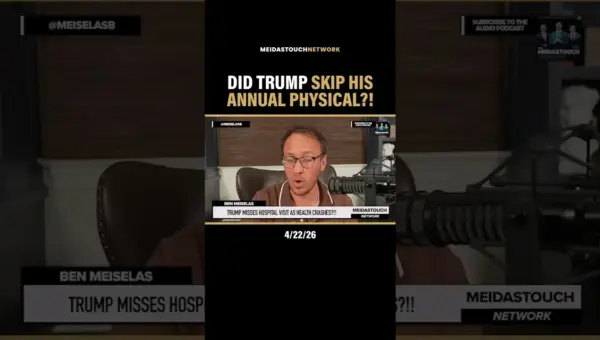
Trump’s Missing Physical Sparks Health Speculation
Donald Trump's annual physical exam for 2026 is missing or being hidden, sparking concerns. This follows a history of confusing statements about his health. Even right-wing media are now questioning his mental and physical state.
Virginia Redistricting Vote Fuels Midterm Fight
Virginia voters have approved a measure to redraw congressional district lines, a move celebrated by Democrats as a victory against Republican gerrymandering efforts. Experts suggest the vote reflects a broader response to Donald Trump's influence and a shift in political strategy, with Democrats vowing to fight back aggressively.
Iran Deal Talks Stall Amid Sanctions Debate
Peace talks with Iran have stalled indefinitely, raising concerns about regional stability and economic impacts. Meanwhile, a nominee for the Federal Reserve faces scrutiny over political influence, and a budget debate highlights differing spending priorities in Washington, particularly regarding border security versus economic relief.