Iran Faces Economic Strain Amid Blockade
Iran is losing an estimated $500 million daily due to ongoing blockades and sanctions, intensifying economic pressure. Meanwhile, the U.S. Congress is set for a marathon voting session to address critical funding for the Department of Homeland Security. Lawmakers are also introducing measures to combat government fraud, aiming to save taxpayers billions.

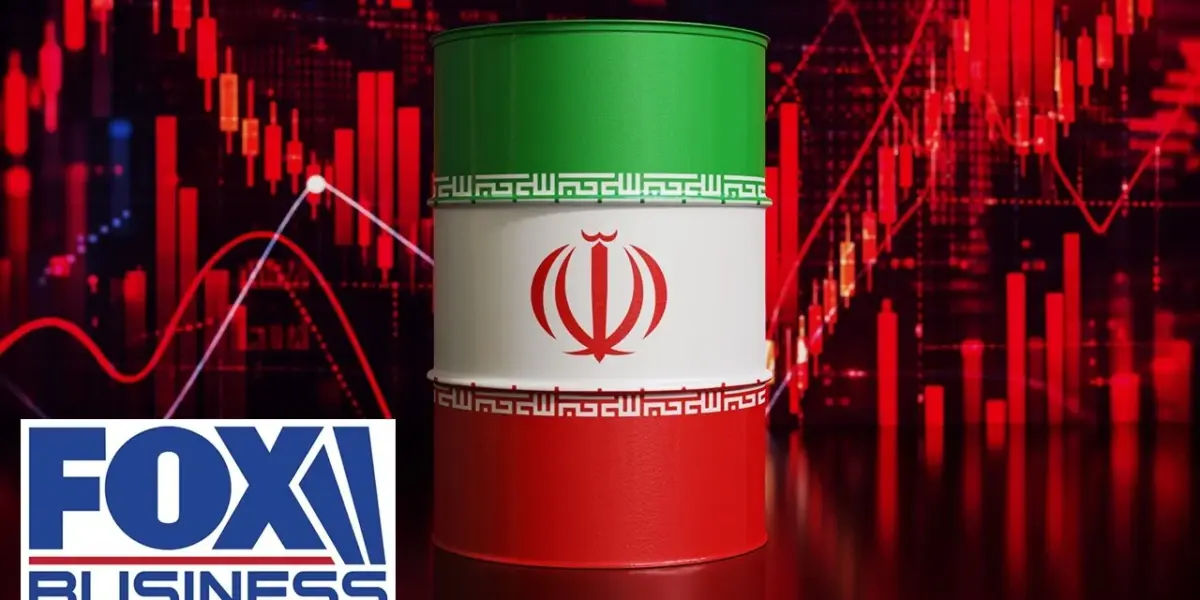
Iran Faces Economic Strain Amid Blockade
Iran is experiencing significant financial pressure as an international blockade continues to limit its access to funds. The nation is reportedly losing approximately $500 million per day due to closed ports and restricted trade. This economic chokehold is a key strategy aimed at compelling Iran to agree to new terms, though the situation remains tense with recent reports of naval incidents in the Strait of Hormuz.
The United States is maintaining pressure through various means, including new sanctions. The Treasury Department has targeted 14 companies and individuals accused of helping Iran acquire weapons.
These entities are based in countries like Iran, Turkey, and the United Arab Emirates. The goal is to further isolate Iran and cut off its financial resources.
US Policy on Iran
Despite ongoing tensions, President Trump has announced an extension of a cease-fire. The U.S. intends to keep the blockade in place while awaiting Iran’s agreement to a deal.
Senator Joni Ernst highlighted the administration’s approach, stating that continued economic pressure is crucial. She believes this pressure will impact Iran’s ability to fund operations, including support for terrorist proxies.
“We will continue to strangle out the IRGC, which will disallow them from funding any terrorist proxies and moving on our own military and Israel,” Senator Ernst explained. The IRGC, or Islamic Revolutionary Guard Corps, is a branch of Iran’s military. The U.S. aims to prevent it from funding groups considered a threat to American interests and allies.
Broader Legislative Efforts
Beyond foreign policy, significant legislative efforts are underway in the U.S. Congress. Senate Republicans are preparing for a marathon voting session to address funding for the Department of Homeland Security (DHS). This comes as the DHS faces the possibility of running out of money for employees as early as the next month, with a partial government shutdown already in effect.
A proposed reconciliation package aims to focus narrowly on funding DHS agencies. This approach is designed to ensure passage by keeping the bill focused on a single issue.
Senator Thune confirmed the strategy to keep the bill slim and focused on immigration-related funding. This contrasts with broader spending bills that often face more opposition.
Addressing Government Waste
Separately, a legislative package targeting government fraud and waste is being introduced. This initiative comprises 17 anti-fraud bills. It is estimated that these measures could save taxpayers approximately $240 billion by reducing waste, fraud, and abuse within the federal government.
The scale of the problem is immense, with an estimated $1.4 billion lost to fraud every single day. Senator Ernst described the issue as a result of poor governance and bloated bureaucracy. The proposed legislation aims to implement simpler accounting mechanisms, similar to those used at the local government level, to improve oversight and efficiency in federal spending.
Market Impact and Investor Considerations
The ongoing economic pressure on Iran, coupled with U.S. sanctions, creates a volatile geopolitical environment. Investors often react to such developments with increased caution, particularly in sectors related to energy and international trade. The Strait of Hormuz is a critical chokepoint for global oil shipments, making any disruptions there a significant concern for energy markets.
For investors, understanding the impact of sanctions and geopolitical tensions is key. While the direct impact on U.S. markets might be limited, broader global economic stability can be affected. The focus on government efficiency and fraud reduction in the U.S. could signal a move towards fiscal responsibility, potentially benefiting the long-term economic outlook.
Looking Ahead
The U.S. Senate’s marathon voting session is expected to conclude early Thursday. The outcome of these funding debates will determine the operational status of the DHS.
Meanwhile, diplomatic efforts and economic sanctions against Iran will continue. The success of these measures in achieving U.S. foreign policy goals remains a key point of observation for global markets.
The legislative package aimed at reducing government fraud is expected to be brought forward for consideration. Its passage could represent a significant step in improving the efficiency of federal spending and protecting taxpayer dollars. The focus on these domestic issues alongside foreign policy challenges highlights a busy period for U.S. lawmakers.
Source: ECONOMIC CHOKE: Iran losing MILLIONS as blockade continues (YouTube)

Related Articles

Trump’s Iran Strategy Crumbles Under Pressure
Donald Trump's strategy to negotiate with Iran appears to be faltering as the nation reportedly ignores U.S. calls for talks. Despite threats of military action, Iran has signaled it will not negotiate under duress, leading to a unilateral ceasefire extension by the U.S. This diplomatic stalemate raises questions about the effectiveness of current tactics and the potential for future escalation.

Iran’s Leadership in Disarray as US Oil Blockade Bites
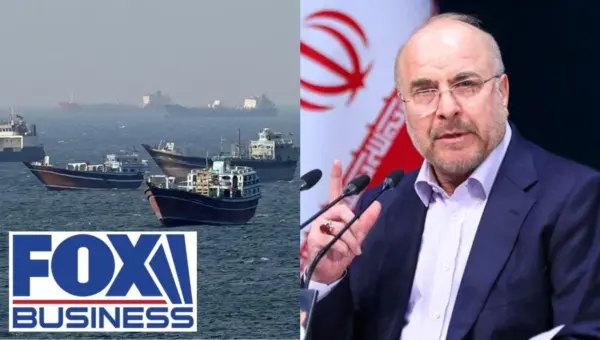
The U.S. has implemented a significant oil blockade on Iran, cutting off an estimated $450 million in daily revenue and exacerbating internal leadership divisions. This financial pressure impacts Iran's ability to negotiate and has ripple effects on global energy markets, particularly affecting China.


Hungary Elects New Leader, Shifting EU Power Dynamics
Hungary's recent election has removed Viktor Orbán from power after 16 years, signaling a major shift in European Union politics. The new government, led by Peter Magyar, aims to reintegrate Hungary into EU norms and strengthen its stance against Russian and Chinese influence. This change could lead to greater unity within the EU on foreign and security policy.