US Extends Iran Blockade, Regime Shows Signs of Strain
The U.S. has extended its blockade on Iranian ports, intensifying financial pressure on the regime. Reports indicate Iran is losing $500 million daily, causing internal strain and aggressive rhetoric from the IRGC, which has seized two cargo ships. U.S. military assets remain postured for any escalation.

US Extends Iran Blockade, Regime Shows Signs of Strain
The United States has indefinitely extended its blockade on Iranian ports, a move President Trump announced via True Social. This decision comes as the U.S. administration cited a “seriously fractured” Iranian government and a request from Pakistani mediators to allow Tehran time to formulate a unified proposal. The administration also stated that discussions would conclude one way or another, with the potential use of force if necessary.
This ongoing blockade is believed to be inflicting significant damage on Iran’s ruling regime, potentially matching the impact of military actions. President Trump highlighted Iran’s severe financial distress, stating the country is “starving for cash” and losing an estimated $500 million daily. Reports also indicate that military and police personnel are complaining about not receiving their salaries, signaling a potential collapse within the regime’s structure.
Regime Financial Pressure Mounts
The blockade’s financial pressure is designed to make the top leadership of the Iranian regime, often referred to as the “Mullas,” increasingly nervous. For years, the steady flow of revenue from maritime trade has supported the regime’s operations. However, cutting off this income stream is expected to create internal friction, with officials likely blaming each other for the crisis.
The U.S. government and military have made it clear that without a comprehensive deal, they are prepared to resume conflict. This strategy appears to be specifically targeting the Islamic Revolutionary Guard Corps (IRGC), an organization described as having both power and wealth, similar to mafia organizations. By drying up their financial resources, the U.S. aims to diminish the IRGC’s influence.
IRGC Escalates Rhetoric, Seizes Vessels
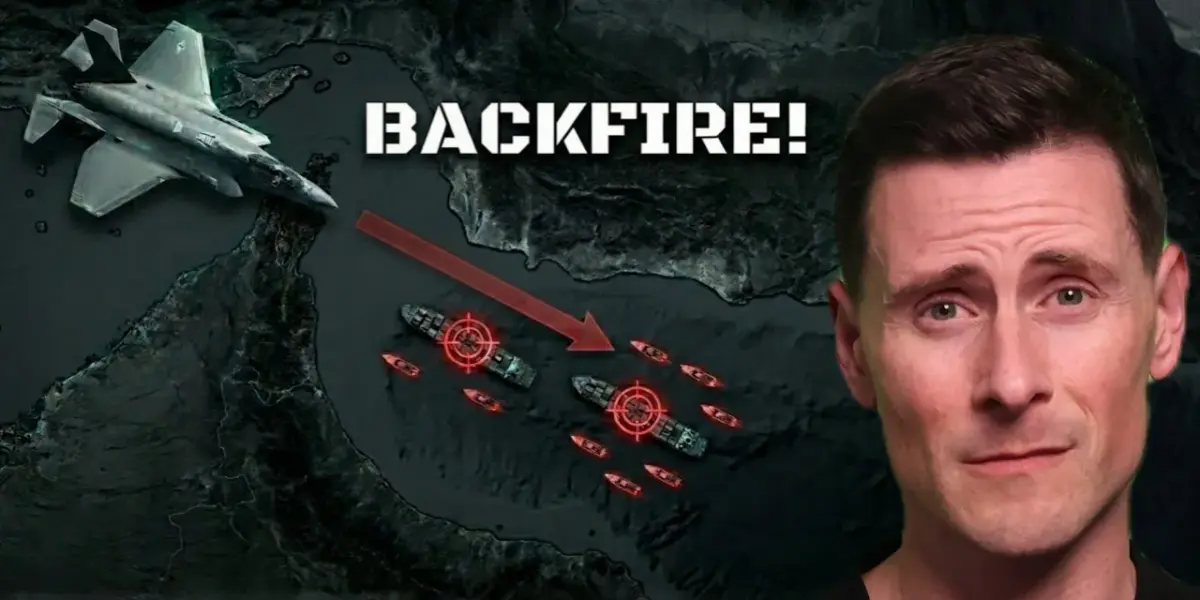
In response to the mounting pressure, the IRGC has reportedly entered a state of “full panic mode,” with its rhetoric becoming increasingly aggressive. The organization has seized two cargo ships in the Strait of Hormuz, asserting control over the vital waterway. These actions are seen by observers as desperate measures taken by a regime under duress.
Official Iranian state media has characterized the ceasefire extension as a deceptive tactic by the U.S. to prepare for a surprise attack. One official declared that the ongoing blockade is just as damaging as bombardment, highlighting the critical impact of financial isolation. This defiant stance, however, is also seen as revealing the regime’s vulnerabilities and weak points.
Historical Parallels and Tactics
The situation draws parallels to historical efforts against organized crime in the United States during the 1930s and 1940s. When federal authorities applied significant pressure on mafia leaders, they responded with aggressive rhetoric and attempts to exploit legal systems, which ultimately proved unsuccessful.
Iran has accused the U.S. of disrupting safety and order in the Strait of Hormuz, calling it a “red line.” This accusation comes despite Iran’s own actions of firing upon and seizing cargo ships, then escorting them to its ports. The location where these ships were likely taken is Bandar Abbas port, a key IRGC naval base near the Strait.
Strategic Location: Bandar Abbas Port
Bandar Abbas port is a major hub for the IRGC Navy, housing numerous fast attack craft. These smaller, speed-oriented vessels are believed to be the primary means by which Iran is able to interdict and seize ships, especially when larger naval assets have been degraded. The port’s extensive shipyards and naval docks are visible in imagery, showing a concentration of these craft.
The port has also been a target of previous strikes, with IRGC Navy warships reportedly destroyed in the area. Larger naval vessels, including submarines and specialized craft like the Solomic-class, which can support helicopters and drone operations, are also present. Imagery shows submarines in dry docks, suggesting ongoing maintenance and repair efforts, though some have reportedly been struck.
U.S. Military Readiness and Capabilities
In contrast to Iran’s actions, U.S. Central Command (CENTCOM) has released videos highlighting its own readiness, stating, “We’re rearming. We’re retooling. And we’re adjusting our tactics, techniques, and procedures.” This demonstrates the U.S. military’s adaptability during the ceasefire period.
The U.S. Navy’s P-8 Poseidon maritime patrol aircraft, supported by KC-135 Stratotankers for refueling, are conducting extended surveillance missions. These aircraft use advanced sensors to monitor the Gulf and identify vessels violating the blockade. Since the blockade began, U.S. forces have directed 28 vessels to turn back.
Two ships were seized, and reports indicate a third vessel, the “Euphoria,” was disabled by damage and is stranded off the coast of Iran. Iranian state media has attempted to justify the seizures by claiming the vessels operated without authorization and endangered maritime security, while also alleging ties to Israel. However, these actions are widely viewed as a deliberate show of force by Iran following the ceasefire extension announcement.
The U.S. military is equipped with advanced platforms to counter such actions. Arleigh Burke-class destroyers form the backbone of the surface fleet, capable of projecting power and enforcing the blockade. The P-8 Poseidon provides critical intelligence, feeding targeting data to U.S. vessels equipped with Aegis combat systems.
F-35 fighter jets, including the F-35B variants operating from assault ships and F-35A and F-35C variants deployed with the Air Force and carrier strike groups, offer advanced stealth and sensor capabilities. These assets are positioned to counter any IRGC air or naval threats. The RQ-4 Global Hawk (or its naval variant, the MQ-4C Triton) provides persistent intelligence, surveillance, and reconnaissance (ISR), loitering for extended periods to monitor the Strait and Iranian coastline 24/7.
Geopolitical Support and Iranian Opposition
Meanwhile, figures like Reza Pahlavi, the son of Iran’s last Shah, are actively engaging with international officials and the Iranian diaspora. Pahlavi recently traveled to Berlin to meet with elected officials and the press, aiming to amplify the voices of Iranians seeking freedom. This effort is seen as support for the “free Iranian people” who are struggling for a democratic future.
These diplomatic efforts coincide with public sentiment in places like Berlin, where large protests against the IRGC have occurred, calling for regime change. The international community’s awareness of the Iranian regime’s actions, including its suppression of its own people and its pursuit of nuclear weapons, is being re-emphasized.
Strategic Implications
The U.S. administration’s strategy appears to be applying significant economic pressure on Iran, aiming to force concessions or internal destabilization. By extending the blockade and allowing the regime time to respond, the U.S. is giving Iran the opportunity to present a serious proposal for de-escalation. The daily loss of $500 million is expected to exacerbate internal divisions within Iran.
The international focus on the regime’s human rights record and its regional activities, such as supporting Houthi rebels, is also being rekindled. The IRGC’s recent actions, like seizing vessels while simultaneously condemning such acts, highlight the hypocrisy and desperation within the regime.
The U.S. military’s advanced ISR capabilities and networked weapon systems are positioned to respond decisively to any escalation. The combination of persistent surveillance and precision strike assets ensures that the U.S. can maintain pressure and deter Iranian aggression. The coming days and weeks will likely reveal how the Iranian regime responds to this sustained pressure, and whether internal fractures widen significantly.
The situation remains tense, with U.S. platforms positioned for various contingencies. The strategic analysis suggests a delicate balance, where Iran must either negotiate seriously or risk further internal turmoil and potential military action. The ongoing blockade and the U.S. military’s readiness represent a significant challenge to the current Iranian leadership.
Source: Iran's Regime In FULL PANIC As U.S. Military Extends Blockade (YouTube)

Related Articles
Middle East Tensions Spike Amid Ship Attacks and Ceasefire Extension
Tensions flared in the Middle East as at least three ships were attacked in the Strait of Hormuz, despite an extended ceasefire with Iran. Meanwhile, a nominee for the Federal Reserve faced intense scrutiny over financial disclosures and independence from political pressure. Air quality reports also revealed unhealthy pollution levels affecting millions across the U.S.

Iran Attacks Ships, US Extends Ceasefire Amid Tensions
Iran has fired on ships in the Strait of Hormuz, leading to an extended US ceasefire and continued naval blockade. Meanwhile, Virginia voters approved a new congressional map favoring Democrats, and Senate Republicans are moving forward with a Homeland Security funding plan. The Pentagon also announced a $1.5 trillion defense investment.

Trump Extends Ceasefire, But Oil Prices and Strait of Hormuz Remain Tense
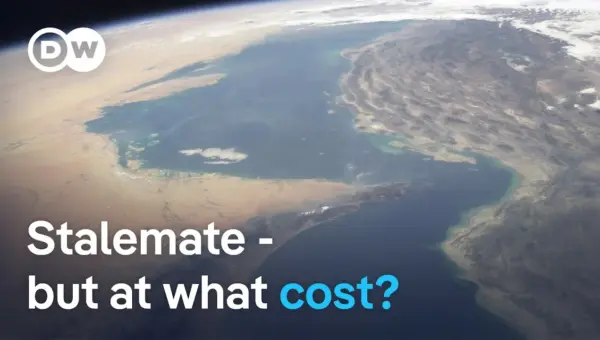
President Trump has extended a ceasefire with Iran, but the Strait of Hormuz remains a point of tension, impacting global oil prices. Experts suggest both sides have suffered losses, and the path forward requires de-escalation and confidence-building measures. Donald Trump's negotiating tactics have been criticized as aggressive rather than diplomatic.