EV Surge: High Fuel Costs Spark Global Auto Race
Skyrocketing fuel costs are driving a surge in consumer interest for electric vehicles (EVs) globally. While China dominates production and supply chains, Europe and the US face challenges adapting their industries to this new demand. The global automotive race is on, with significant implications for consumers and national economies.

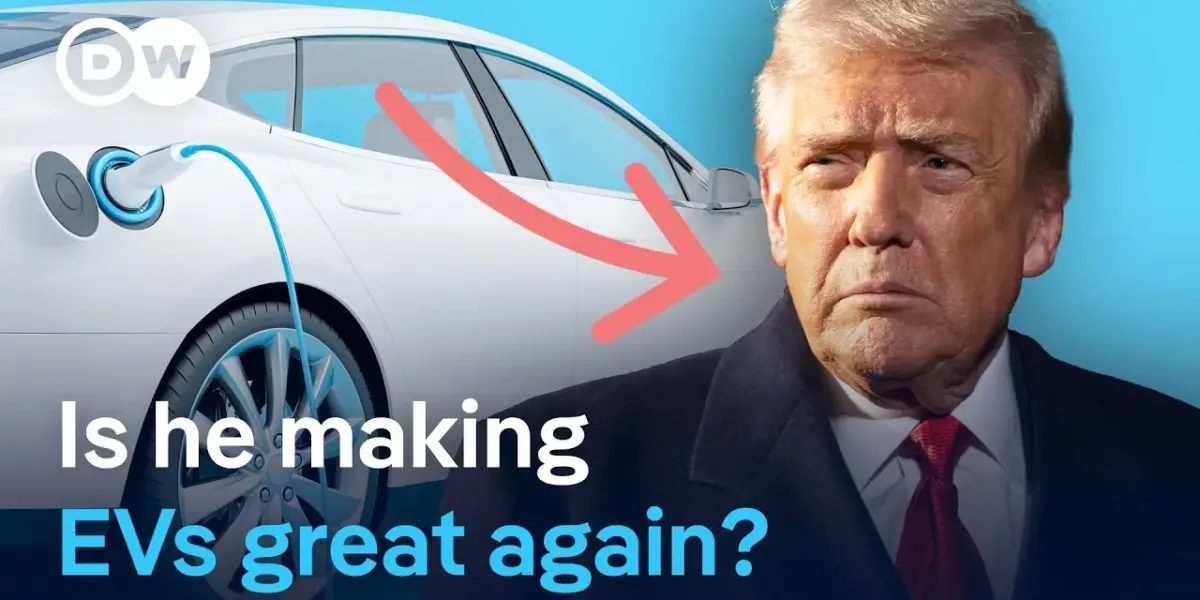
EV Demand Surges Amid High Fuel Costs
A significant increase in consumer interest for electric vehicles (EVs) is reshaping the global automotive industry. Skyrocketing fuel prices, driven in part by international conflicts, have made EVs not only an environmentally friendly choice but also a more affordable one. This shift is creating new opportunities and challenges for major automotive markets in the US, China, and Europe.
The technology for EVs is now more mature, and the used car market offers more attractive prices. This combination has sent a strong signal to consumers, pushing EVs into the spotlight. Once a niche product, electric cars are now a practical and economical option for many.
Europe Sees Growing EV Interest
Across Europe, car searches and sales for EVs have seen a notable rise since the beginning of the war. In Germany, for the first time in March, new electric vehicle registrations surpassed those of gasoline-powered cars. This surge is partly due to renewed government subsidies for EVs but is also a direct response to climbing fuel costs.
Fuel prices in the European Union reached an average of €1.81 per liter for Super 95 gasoline in mid-April, with prices as high as €2.32 in the Netherlands. This economic pressure is pushing consumers toward more efficient and potentially cheaper-to-run electric alternatives.
US Market Faces Mixed Signals
The demand for EVs in the United States presents a more complex picture. While interest in fully electric vehicles has been sluggish, hybrid models have shown significant strength. This comes after a period where US policy, particularly under the Trump administration, favored fossil fuel-powered vehicles.
New EV sales in the US experienced a sharp decline last year after a $7,500 tax credit for electric vehicles was removed. For instance, Volkswagen sold only 250 of its electric ID.4 SUVs in the final three months after the credit was scrapped, leading the company to halt production of the model in Tennessee, calling it a strategic move. Experts suggest that a significant return of electric vehicles to the broader US market is unlikely in the short term, with uptake expected to remain below 10% of the total market for a considerable time.
Used EV Market Offers Hope in US
Despite the challenges, data suggests the US market is ripe for an EV resurgence, especially in the used car sector. The used EV market is now far more robust than it was just a few years ago. This increasing demand is meeting a more mature market for both the vehicles themselves and the overall e-mobility infrastructure.
Today’s EVs offer better range, faster charging capabilities, and more affordable options. This improved product offering, combined with the current economic incentives, supports a broader shift towards e-mobility. The current demand spike, while partly temporary, is accelerating this long-term transition.
China Dominates Global EV Production
China stands to be the biggest beneficiary of the growing global demand for EVs. The country already produces over half of the world’s electric vehicles and is a major exporter. Its industrial policy, developed over decades, has built a powerful EV manufacturing system, positioning it to scale up production and export even more.
China’s dominance extends to critical supply chains, making it difficult for competitors to enter the market. The battery supply chain, essential for EVs, is largely controlled by China. The country dominates over 80% of global rare earth processing and controls the entire supply chain for magnets used in EV motors, from mining to manufacturing.
Supply Chain Control Gives China an Edge
This control over raw materials and manufacturing allows Beijing to influence global prices and secure domestic supplies. China can also use export controls to disadvantage foreign EV makers. In late 2025, China tightened export approvals and restricted certain mineral exports to the US, a response to US tariff hikes that effectively forced the US to reconsider its trade policies.
German premium manufacturers have admitted they cannot match the efficiency and scale of Chinese production. Some express concern about becoming dependent on China for batteries, acknowledging that catching up is a significant challenge. This situation highlights the strategic advantage China holds in the global EV race.
Europe’s Dilemma: Green Goals vs. Industrial Base
China’s rise presents both an opportunity and a challenge for Europe. The availability of affordable Chinese EVs aligns with the European Union’s goals for green energy transition. However, Europe aims for this transition to be largely homegrown, with local supply chains for batteries and charging infrastructure.
Low-cost, often high-quality Chinese imports risk undermining Europe’s own automotive sector. While cheaper EVs could accelerate adoption and help the EU meet climate targets, they could also weaken Europe’s industrial base. European companies are investing in battery production and partnering with Chinese firms to learn and improve their manufacturing speed.
US Faces Competition, Not Decarbonization Pressure
The US is also concerned about competing with China’s auto industry. Unlike Europe, however, the US does not face the same immediate pressure to decarbonize its transportation sector. The US has employed tariffs to protect its domestic market.
Tariffs on Chinese goods, though adjusted, have significantly impacted imports. Last year, US imports from China fell by nearly 30%. Despite these measures, China recorded a substantial global trade surplus, largely by increasing exports to regions like Southeast Asia, Africa, and Latin America, as well as Europe.
Trade Imbalances Worsen for EU
Chinese goods blocked by US trade barriers often find their way into the European market, worsening the EU’s trade deficit with China. Last year, this deficit grew by 18% to nearly $360 billion, with electrical machinery, including EV batteries and components, accounting for a significant portion of imports.
Meanwhile, European car exports to China are declining. German automakers, for example, saw their market share in China drop from 24% in 2020 to 15% in 2024. Chinese brands are also making significant inroads in other markets, capturing over 80% of Brazil’s EV market by early 2026.
Global Impact Beyond Major Markets
The impact of this EV shift is felt strongly in markets beyond Europe and North America. In Asia, Southeast Asia, Africa, and Latin America, high fossil fuel prices and the competitive pricing of Chinese EVs are creating a significant market dynamic. Chinese manufacturers are well-positioned in these regions, holding substantial market shares.
The current geopolitical climate, including the conflict in Iran, has sent shockwaves through global oil markets. This instability, alongside previous challenges like the semiconductor crisis and the COVID-19 pandemic, is forcing automakers to become more agile. They are developing new strategies to navigate these turbulent geopolitical situations.
A Faster Transition to E-Mobility?
The ongoing global events are accelerating a fundamental shift in how we think about energy. Out of this period of instability, a longer-term transition towards more local, reliable, and cleaner energy sources may be gaining speed. This includes a faster adoption of electric mobility, driven by both necessity and technological advancement.
Automakers are becoming more adaptable and are developing strategies to mitigate the effects of geopolitical instability. This increased agility could lead to faster innovation and a more resilient automotive sector in the future.
The next steps will involve watching how European and US manufacturers adapt to Chinese competition and how global trade policies evolve in response to the changing EV market. The focus will also be on the development of domestic battery production and supply chains in key regions.
Source: How new demand for EVs could redefine global competition | DW News (YouTube)

Related Articles
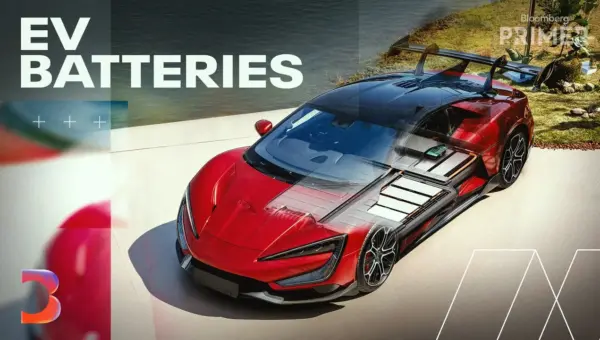
China Dominates EV Batteries; Rivals Race to Catch Up
China leads the world in electric vehicle battery production, leveraging cost-effective LFP technology and government support. As global rivals race to catch up and secure their own supply chains, innovation in battery chemistry and recycling is becoming crucial for future market competitiveness.


Sony Handycam Battery Upgrade Fueled EV Revolution
A key battery upgrade in the 1990s Sony Handycam indirectly fueled the electric vehicle revolution. Increased production of lithium-ion batteries for consumer electronics lowered costs, making EVs more feasible. Despite current supply chain and geopolitical challenges, battery innovation continues with a focus on new production and recycling methods.


Lucid Teases Three New Models: A Bold Strategy
Lucid Motors is set to launch three new electric vehicles: the Cosmos, Earth, and a 'Stay Tuned' model. These new offerings aim to capture a wider audience beyond the luxury Air sedan, targeting different buyer profiles and market segments. The company hopes these models will boost sales and brand recognition.