Earth’s Most Bizarre Natural Wonders Revealed!
Explore the planet's most astonishing natural wonders, from Turkmenistan's fiery 'Gates of Hell' to the vibrant pink waters of Australia's Lake Hillier. This list reveals breathtaking landscapes that defy imagination and showcase Earth's incredible diversity.

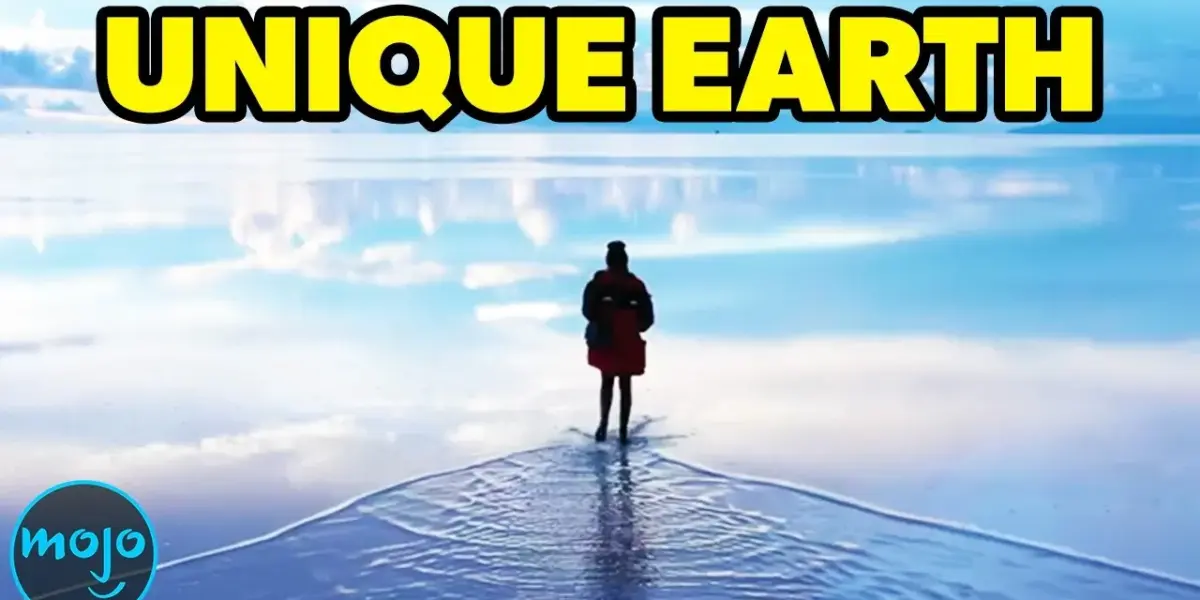
Earth’s Most Bizarre Natural Wonders Revealed!
Get ready to have your mind blown! A new exploration into the planet’s most unusual spots has unveiled some truly jaw-dropping locations.
From burning craters to rainbow mountains, these places redefine what we thought was possible on Earth. Prepare to add some incredible destinations to your travel dreams.
The ‘Gates of Hell’ and Fiery Blue Flames
Imagine a crater that has been on fire for over 50 years. That’s exactly what you’ll find at the Darvaza Gas Crater in Turkmenistan.
Known as the “Gates of Hell,” this massive pit, 100 feet deep and 230 feet wide, has been burning continuously since 1971. Scientists believe it started when a natural gas field collapsed, and the area was intentionally set ablaze to prevent the spread of dangerous methane gas.
The result is a spectacular, fiery spectacle that feels otherworldly. Visitors often describe the experience as being on another planet. Turkmenistan authorities have considered putting out the fire or closing it off, but for now, this hot spot remains accessible to brave adventurers, offering a unique glimpse into nature’s raw power.
Mythical Bridges and Geometric Marvels
Northern Ireland’s Giant’s Causeway tells a tale of giants and epic battles. Legend says the Irish giant Finn MacCool built a stone bridge to fight his Scottish rival. While the story might be a myth, the causeway itself is real and incredibly impressive.
This UNESCO World Heritage site features about 40,000 interlocking basalt columns, most with hexagonal shapes. These stunning formations were created by volcanic activity millions of years ago when hot lava cooled and contracted. The columns can reach up to 40 feet high, and the site is a popular spot for tourists and a home for local wildlife.
Vast Salt Flats and a Starry Sea
Bolivia’s Salar de Uyuni is the world’s largest salt flat, covering about 4,000 square miles. The sheer brightness of the salt requires visitors to wear sunglasses and protective clothing. Formed from ancient, dried-up lakes, this vast expanse is not only a tourist magnet but also a valuable resource.
Flamingos gather here for mating season, and you can explore an antique train cemetery and a hotel made entirely of salt. The salt flats are also used for calibrating satellites and sit atop a huge reserve of lithium, a key element for modern electronics. For movie fans, Salar de Uyuni served as a filming location for ‘Star Wars: The Last Jedi’.
Meanwhile, on Vadoo Island in the Maldives, the ocean itself puts on a dazzling display. During certain summer nights, bioluminescent plankton light up the shores and reefs. This natural phenomenon creates an illusion of stars falling into the sea, offering a magical experience for visitors and locals alike.
‘Cotton Castles’ and Mineral Masterpieces
Turkey’s Pamukkale, meaning “Cotton Castle,” is a breathtaking natural wonder. Hot springs in the region flow down terraces, depositing calcium carbonate. Over time, this mineral-rich water hardens into smooth, white travertine, creating a series of stunning, tiered pools that resemble a cascading castle made of cotton.
Visitors can bathe in these warm, thermal pools and admire the unique landscape. The site also includes the ancient Greek city of Hierapolis, adding a layer of historical significance. Pamukkale has been attracting visitors for centuries and was recognized as a UNESCO World Heritage site in 1988.
Canada’s Spotted Lake offers a different kind of mineral magic. This lake is known for its vibrant colors, created by deposits of various minerals like magnesium sulfate and sodium sulfate. As water evaporates in the summer, the minerals rise to the surface, painting the lake in a kaleidoscope of hues.
Historically, the minerals from Spotted Lake were used in ammunition manufacturing during World War I. The local Okanagan Nation has also revered the lake for its therapeutic properties for centuries. Today, a fence protects the site, but its stunning beauty can still be admired from the roadside.
Rainbow Mountains and Pink Lakes
China’s Zhangye National Geopark boasts the incredible “Rainbow Mountains.” These mountains look like they were painted by an artist, with vibrant stripes of red, orange, yellow, and green. The stunning colors are the result of millions of years of sandstone deposits and geological activity.
The park became a UNESCO Global Geopark in 2019, and millions of dollars have been invested to improve facilities and attract visitors. The shifting light across the mountains creates an ever-changing display of color, making it a truly mesmerizing sight.
Australia’s Lake Hillier provides another splash of unbelievable color. This salt lake in Western Australia is famous for its vivid, bubblegum-pink hue. The striking color comes from microorganisms and bacteria that thrive in the lake’s highly salty water.
Unlike some other pink lakes that change color seasonally, Lake Hillier famously maintains its intense pink color year-round. Its unique color makes it a surreal and unforgettable natural wonder, often compared to the fantastical world of Barbie.
Floating Mountains and Electric Blue Fire
China’s Tianzi Mountains, located within Zhangjiajie National Forest Park, are a source of wonder and inspiration. These towering quartz sandstone pillars, some reaching over 3,900 meters, appear to float in the mist, especially after the rainy season.
These majestic peaks were a key inspiration for the alien world of Pandora in James Cameron’s film ‘Avatar’. The mountains are a sacred place for the local community and were added to the UNESCO World Heritage list in 1992, blending natural beauty with cultural significance.
Indonesia’s Ijen volcano offers a truly fiery spectacle. It is home to the world’s largest hyperacidic crater lake. The real showstopper, however, is its electric blue flame, which is actually burning sulfuric gas, not lava.
The volcano also features a stunning turquoise lake, though swimming is not advised due to its extreme acidity, with pH levels as low as 0.3. Ijen is also known for its high-risk sulfur mining operations, where miners extract sulfur from volcanic gases, showcasing both nature’s danger and human resilience.
Source: Top 10 Truly UNIQUE Places on Planet Earth (YouTube)

Related Articles


Surprise ‘Grey’s Anatomy’ Return Shocks Fans!
Fans of 'Grey's Anatomy' were shocked by the surprise return of Dr. Robby in a recent episode. The character, known for his intense hand-sanitizing habit, reappeared during a chaotic hospital scene, sparking widespread discussion and speculation online. This unexpected comeback hints at potential new storylines for the long-running medical drama.


Celebrity Scandals That Rocked the 21st Century
From DUI arrests and fraud scandals to shocking acts of violence and hateful remarks, the 21st century has seen its share of celebrity controversies. This article revisits some of the most jaw-dropping scandals involving stars like Justin Timberlake, Kanye West, and Will Smith, exploring the impact on their careers and public image.


Invincible Season 4 Finale Shatters Expectations
Invincible's season 4 finale delivers a devastating blow, wrapping up the Viltrumite conflict with shocking twists and major comic deviations. Mark grapples with intense trauma, Eve reveals a difficult truth, and Nolan faces the consequences of his past, setting the stage for an even more intense season 5.