Trump’s Unpopularity Hurts GOP Ahead of Midterms
Donald Trump's declining approval ratings are emerging as a significant challenge for the Republican Party heading into the midterm elections. Analysts suggest his unpopularity could cost GOP candidates, as voter frustration grows and Democratic enthusiasm rises. Despite internal party fears, many Republicans remain hesitant to distance themselves from the former president.

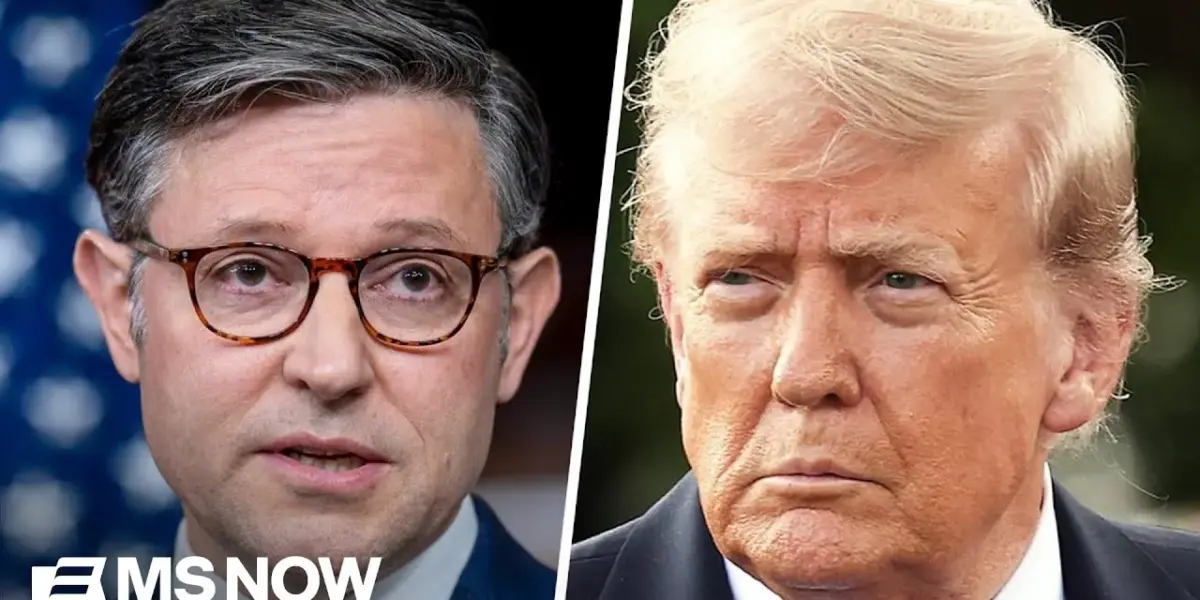
Trump’s Unpopularity Hurts GOP Ahead of Midterms
Former President Donald Trump’s image among voters has taken a significant hit, potentially impacting the Republican Party’s chances in upcoming elections. A new analysis suggests that Trump’s continuing influence is now a burden for many Republican candidates, with his approval ratings among his own party members falling sharply. This shift in public perception could be a major factor in the upcoming midterm elections, especially as Democrats aim to gain control of Congress.
Shifting Political Landscape
The political climate appears to be turning against Republicans, according to analysts. While redistricting efforts have often played a key role in shaping election outcomes, the current mood of the electorate is becoming a more dominant force. This suggests that the overall sentiment towards the Republican Party and its prominent figures, particularly Donald Trump, may outweigh strategic map-making.
Trump’s Declining Approval
Recent polling data reveals a notable drop in Donald Trump’s approval ratings. His support among Republicans, once consistently in the high 90s, has fallen to around 68%.
Among non-MAGA Republicans, his approval is even lower, at just 44%. Independents also show dismal approval ratings for Trump, with only 23% approving of his job performance overall and even lower numbers for his handling of the economy and cost of living.
These numbers suggest that a Republican candidate running in a competitive district might struggle if they are closely tied to Trump. The data indicates that being associated with Trump could be a significant disadvantage, pushing voters to look elsewhere for leadership and policy direction.
Republican Reluctance to Break Away
Despite Trump’s declining popularity, many elected Republicans have been hesitant to openly criticize him. This reluctance stems from a fear of retribution from Trump’s base, often referred to as the ‘MAGA’ movement. Analysts suggest that breaking with Trump can lead to severe consequences, including online attacks, loss of business opportunities, and condemnation from local party organizations.
This dynamic creates a difficult situation for moderate Republicans. While they may recognize the political cost of aligning with Trump, the fear of being ostracized by a powerful segment of the party keeps many from publicly distancing themselves. This internal party struggle could play out significantly in the voting booth.
Voter Frustration and Democratic Energy
Voter frustration with the current political system is palpable, with many expressing dissatisfaction with both major parties. However, the Democratic base appears to be highly energized, driven by a desire to send a message to Donald Trump. Even voters who are unhappy with the Democratic Party may choose to vote for Democratic candidates as a way to oppose Trump’s continued influence.
Independents and even non-MAGA Republicans might also lean towards Democrats. Their choices could range from staying home in protest to voting for Democrats to prevent what they see as a detrimental continuation of Trump-era politics. This broad dissatisfaction could translate into significant gains for Democrats.
Concerns Over Complacency
Despite the seemingly positive indicators for Democrats, there are concerns about overconfidence within the party. Campaign strategists emphasize that complacency can be dangerous, and victory is not assured until all votes are counted. They acknowledge that the Democratic Party itself faces popularity challenges, and relying solely on Trump’s unpopularity is not a sustainable long-term strategy.
The focus remains on motivating voters and presenting a compelling case for the Democratic Party, not just as an alternative to Trump, but as a party with its own vision and solutions. The challenge ahead is to convert current enthusiasm into a lasting mandate that goes beyond opposition.
Looking Ahead
As the midterm elections draw closer, the impact of Donald Trump’s standing among voters will be a critical factor. While the political environment appears unfavorable for many Republicans, the final outcome will depend on voter turnout and the effectiveness of each party’s campaign strategies. The coming weeks will reveal whether Trump’s influence continues to be a liability for the GOP or if other factors will ultimately decide the control of Congress.
Source: 'We're finding out that being tone-deaf, erratic and vengeful is not a good look': Sykes (YouTube)

Related Articles
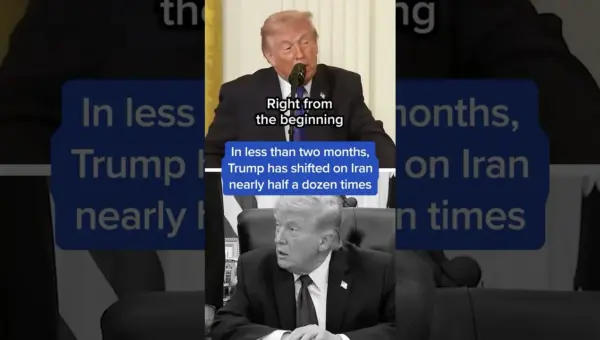
Trump’s Iran Stance Shifts Repeatedly Amid War
President Donald Trump's stance on the ongoing war in Iran has shifted nearly half a dozen times in under two months, creating confusion about U.S. objectives. Analysis from MS NOW highlights the inconsistency in his public statements regarding the conflict's aims. These repeated changes raise questions about U.S. foreign policy reliability and the strategy in the region.

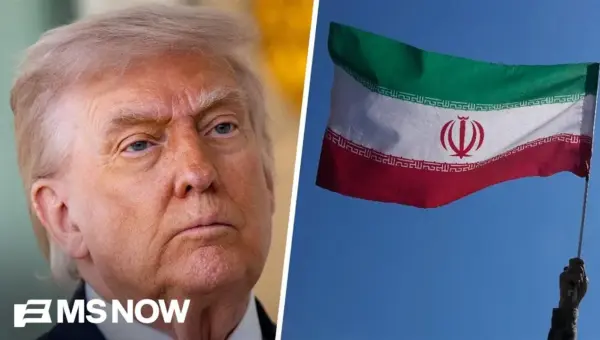
McFaul: Trump’s Impatience Hinders U.S. Iran Negotiations
Former Ambassador Michael McFaul stated that President Trump's impatience is damaging U.S. negotiation efforts with Iran. Following Iran's seizure of vessels in the Strait of Hormuz, McFaul criticized Trump's public threats, advocating for lower-level talks and a focus on mutual interests rather than trust.

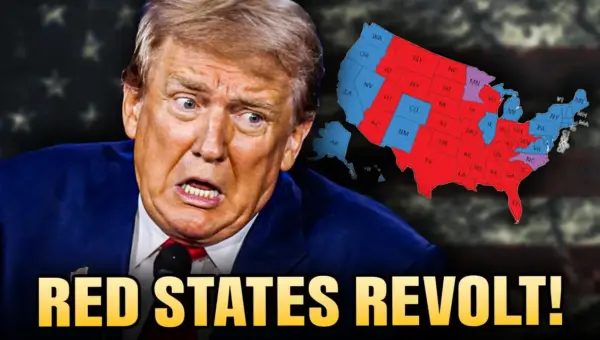
Red State GOP Leaders Resist Trump’s Grip
Red state Republican lawmakers are pushing back against Donald Trump's influence, particularly concerning redistricting. Indiana Republicans refused Trump's demands to redraw maps, fearing it would hurt their party. This signals a growing pragmatism among state GOP leaders prioritizing voter sentiment over loyalty to Trump.