Trump’s Historic Inflation Blunder Crushes His Approval
New polls reveal Donald Trump's approval ratings on inflation have hit historic lows, making it his biggest vulnerability. Despite his past economic successes, current economic anxieties are deeply impacting voter sentiment.

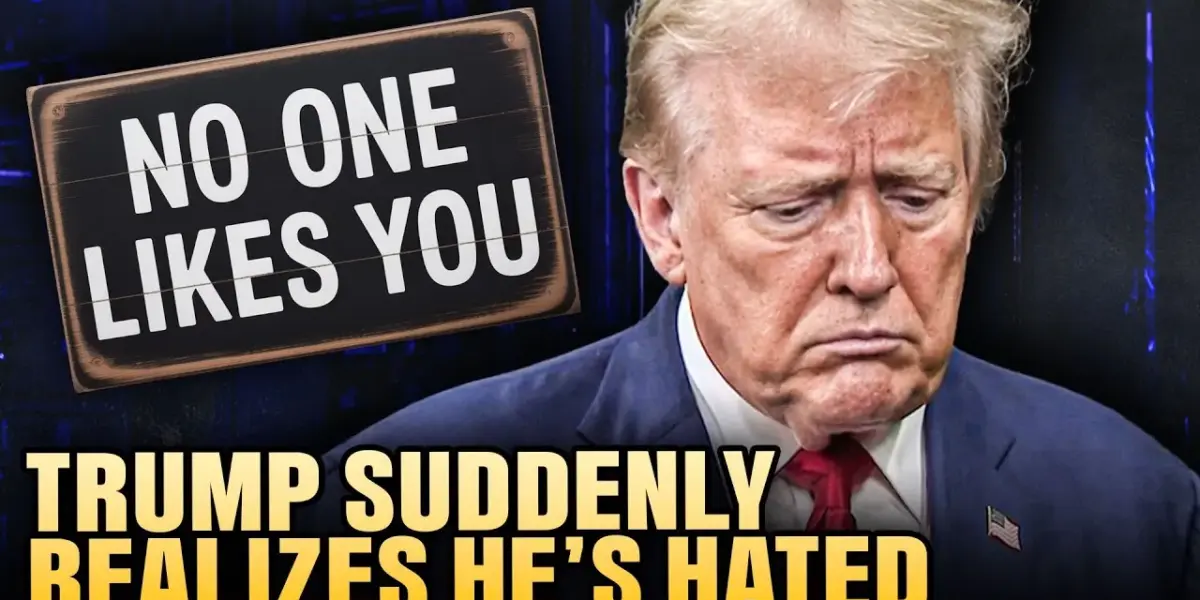
Trump’s Historic Inflation Blunder Crushes His Approval
New poll numbers show Donald Trump facing historic disapproval on the economy, specifically inflation. Analysts are stunned by how consistently his approval ratings sink lower, even when it seems impossible. This week’s data points to the worst numbers ever recorded for him on the issue that matters most to voters.
Inflation is the top concern for Americans heading into elections, far more than foreign policy or other hot-button topics. Most voters are worried about affording basic necessities. While other issues might get attention, data shows inflation is the real driver of voter concerns.
Deep Dive into the Numbers
Across multiple polls, Trump’s approval rating on inflation is deeply negative. Figures show him “underwater” by 36 points (NBC), 38 points (CBS), and even 45 points (CNN). These are the worst positions he has ever held on the number one issue for Americans.
One analysis highlighted a dramatic shift: in a hypothetical 2024 election matchup against Kamala Harris on inflation, Trump was once favored by 10 points. Now, he is a staggering 60 points underwater on this issue. This represents a 70-point swing, suggesting his past strengths with voters have vanished.
These numbers are significant because even though Trump isn’t directly on the ballot in November, many Republican members of Congress are. If these trends hold, it could spell trouble for the entire party.
The High Cost of Everyday Life
Americans are feeling the pinch of rising prices everywhere. The cost of eggs, a frequent talking point for Trump, is now unaffordable for many. Gas prices, crucial for commuters, are also a major concern, along with the soaring cost of everyday items.
The price of beef has become so high that many, even those who love it, are cutting back or stopping purchases entirely. Coffee prices have also jumped significantly, increasing by 40% since Trump took office. These rising costs add up, weighing heavily on voters’ minds.
Media Coverage and Public Perception
Despite these widespread economic worries, the media’s focus on price increases has decreased compared to when President Biden was in office. Some suggest this is due to Trump’s ability to create distractions, such as his social media activity or ongoing legal battles.
The argument is that while the public is acutely aware of these rising costs, the news cycle is dominated by other events. This lack of consistent media attention on inflation, when compared to previous coverage, might allow voters’ concerns to be overlooked by some analysts.
Why This Matters
The data clearly shows a disconnect between Trump’s past appeal and current voter sentiment on the economy. His previous successes were partly tied to perceptions of economic management, but the current inflation crisis appears to have severely damaged that standing.
This situation has broad implications for the upcoming elections. If voters continue to blame the current economic conditions on Trump and his party, it could lead to significant shifts in power. The focus on inflation suggests that economic anxieties are a primary motivator for voters this cycle.
Historical Context and Future Outlook
Historically, the economy plays a key role in presidential and congressional elections. Voters often hold the incumbent party responsible for economic downturns and reward them for prosperity. Trump’s previous election victory in 2016 was partly fueled by dissatisfaction with the pace of economic recovery under the previous administration.
The current polling suggests a reversal of that dynamic. The public’s dissatisfaction with inflation and the cost of living is translating into historically low approval ratings for Trump on this key issue. This trend, if it continues, could reshape the political landscape heading into future elections.
The future outlook depends on whether these economic concerns remain at the forefront of voters’ minds and how effectively political campaigns address them. The data indicates that voters are not forgetting the impact of inflation on their daily lives, regardless of media coverage or political distractions.
Voters are making their voices heard through their wallets and their polling choices, indicating a clear demand for economic relief and effective solutions to manage the rising cost of living.
Why This Matters
The persistent focus on inflation and the resulting negative polling for Donald Trump highlight a critical vulnerability. For a candidate whose previous appeal was heavily linked to economic optimism, these numbers suggest a fundamental shift in voter perception.
This matters because economic anxiety is a powerful force in politics. When people struggle to afford basic necessities, it directly impacts their voting decisions. The depth of Trump’s unpopularity on this issue could translate into significant electoral consequences for him and his party.
Implications and Trends
The trend of Americans prioritizing inflation over other issues is clear. The data shows that concerns about affordability are not a niche worry but a widespread sentiment. This means candidates need to offer concrete plans to address the cost of living.
The analysis suggests that Trump’s ability to rally voters based on past economic successes may be diminishing. The current economic reality, marked by high prices, is overshadowing previous narratives. This could signal a broader trend of voters judging candidates more on current lived experiences than on past performance.
Future Outlook
Looking ahead, the economic situation will likely remain a central theme. The ability of political leaders to provide tangible relief and inspire confidence in the economy will be key. Voters are watching closely to see who can offer effective solutions.
The upcoming election cycle will be a test of whether these economic concerns continue to dominate voter priorities. The current polling suggests a strong public mandate for economic stability and affordability, which will shape political strategies and outcomes.
The concrete impact of these numbers will become clearer as the election approaches, with voters ultimately deciding who they believe can best manage the nation’s economy.
Source: Trump FLOORED By How Much America Hates Him (YouTube)

Related Articles


Trump’s Iran Policy: Humiliation or Prudence in Hormuz?
Iran's recent attacks on vessels in the Strait of Hormuz have sparked debate about President Trump's foreign policy. Critics argue his approach emboldens adversaries, while others see it as a prudent effort to avoid conflict.
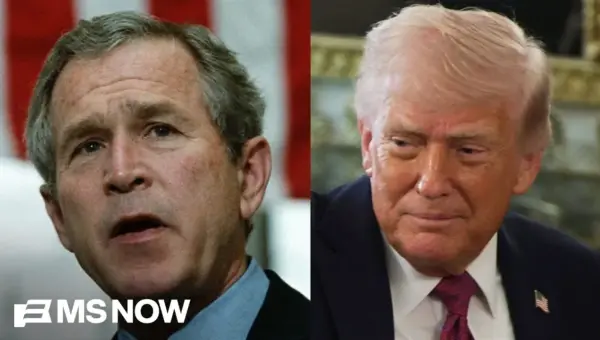
Poll Shock: Trump’s Numbers Echo Bush’s Lows Amid Economic Woes
New polling indicates Donald Trump's approval ratings are at historic lows, drawing comparisons to George W. Bush's second term. The ongoing Middle East conflict and persistent cost of living crisis are significantly impacting voter sentiment, with economic issues remaining the top concern. Republicans face a challenging landscape heading into the midterms as Democrats aim to capitalize on these trends.


Trump Issues Stark Warning to Iran Amid Nuclear Fears
President Trump has issued a firm deadline to Iran for nuclear deal negotiations, warning of "total devastation" if terms are not met. Meanwhile, the mysterious deaths and disappearances of US scientists are under investigation, raising national security concerns. A controversial election in Michigan also highlights ongoing debates about political discourse and foreign policy.