Virginia Redistricting Vote Fuels GOP Blame Game
Voters in Virginia have approved a constitutional amendment to redraw congressional districts, a move that has intensified criticism within the Republican party. Analysts suggest this decision, influenced by former President Donald Trump's strategies, could lead to significant losses for the GOP in the upcoming midterm elections.

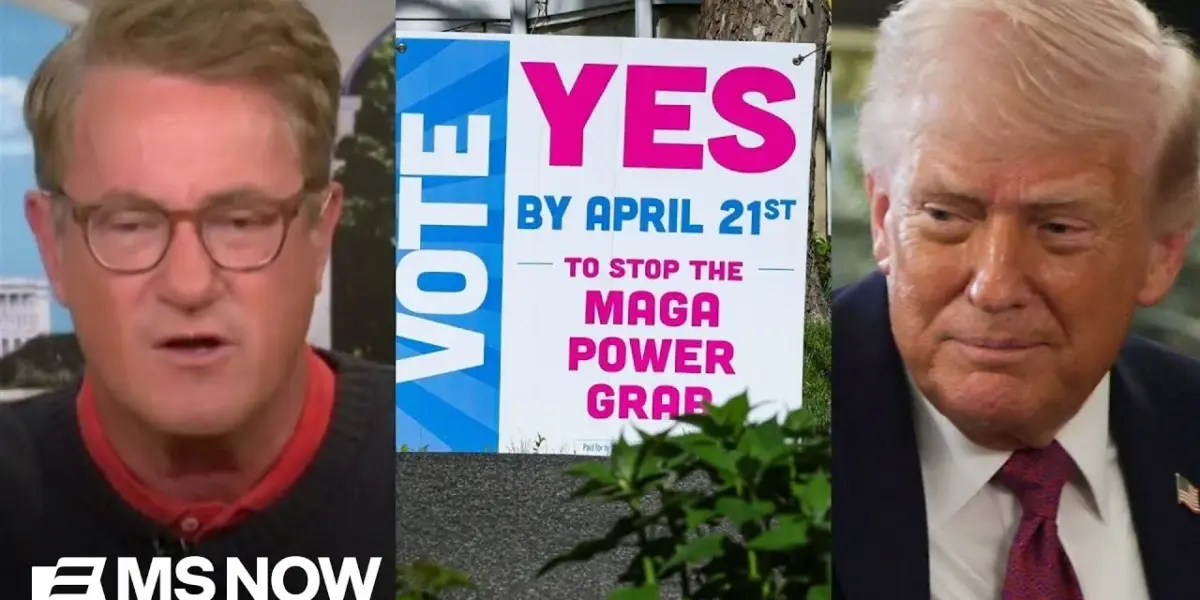
Virginia Voters Back Congressional District Changes
In a significant political development, voters in Virginia have approved a constitutional amendment to redraw congressional district boundaries. This decision comes ahead of this year’s elections and has sparked debate about its impact on the upcoming midterm elections. The move is seen by some as a direct response to actions taken by former President Donald Trump and his allies.
The outcome in Virginia has drawn sharp criticism from within the Republican party. Ari Fleischer, a former White House Press Secretary, expressed his disappointment, stating, “If you’re going to pick a fight, at least win it.” He added that the entire situation was predictable and that the party should not have initiated this particular conflict.
Trump’s Influence Under Scrutiny
The discussion on Morning Joe highlighted a pattern of actions influenced by Donald Trump, with the Virginia redistricting being the latest example. Host Joe Scarborough noted that Trump often pushes for actions that predecessors or other parties have avoided. This instinct, according to the show’s panel, often leads to negative consequences for the Republican party.
Jonathan Lemire, a staff writer for The Atlantic, pointed out that Democrats have responded by playing the same redistricting game. He explained that when one party attempts to manipulate district lines for political gain, the opposing party often retaliates. This tit-for-tat strategy, while perhaps yielding short-term benefits, can backfire significantly in the long run.
The Risks of Aggressive Gerrymandering
The panel discussed the dangers of drawing congressional districts too narrowly. If these districts are designed to heavily favor one party, they can become vulnerable. This is especially true in elections with a strong partisan wave, where an unfavorable outcome could lead to much larger losses than initially anticipated.
For example, Florida’s redistricting efforts were mentioned as a potential cautionary tale. If districts are drawn too tightly, a situation that might have resulted in losing a few seats could escalate into losing many more. This aggressive approach can turn a bad situation into a much worse one for the party in power.
Broader Implications for the Midterms
The Virginia vote is seen as potentially swinging control of the House of Representatives. Democrats are expressing satisfaction with the organization and strategy that led to this victory, effectively beating Republicans at their own game. While the margin of victory in Virginia was not large, the overall trend is concerning for the GOP.
David Drucker, a columnist at Bloomberg Opinion, noted that many Republicans are growing skeptical of Donald Trump’s suggestions. He cited the example of changing the Senate filibuster rule, which many Republicans oppose due to the predictable backlash from Democrats if they were to gain power. This hesitancy reflects a broader concern about the long-term consequences of Trump’s more impulsive ideas.
Comparing Political Strategies
The discussion drew parallels between the Virginia redistricting and other controversial decisions. Examples included Trump’s potential actions regarding Iran and the historical context of presidents avoiding certain foreign policy moves. The consensus was that acting purely on instinct, without considering potential blowback, is often detrimental to the Republican party.
Ed Luce, U.S. National Editor and Columnist at the Financial Times, emphasized that there’s a reason certain actions are avoided by multiple presidents. These decisions often involve complex geopolitical factors or potential domestic political fallout. Ignoring these considerations, as seen in the redistricting debate, can lead to unintended and negative outcomes.
A Challenging Political Climate for Republicans
Recent polling data suggests a challenging environment for Republicans. A poll showing Donald Trump with a 33% approval rating was highlighted, with comparisons made to low points during George W.
Bush’s presidency. Even within the Republican party, a significant number, 31%, disapprove of Trump’s job performance.
Although Trump’s name is not directly on the ballot for the upcoming elections, his influence looms large. Strategists from both parties anticipate Democrats gaining control of the House, and there is growing speculation that the Senate may also lean Democratic. The current political map, combined with these dynamics, puts Republicans in a difficult position heading into the fall elections.
Looking Ahead
The focus now shifts to how Republicans will navigate the fallout from the Virginia vote and other strategic missteps. The upcoming midterm elections will be a crucial test of whether this pattern of predictable blowback continues to harm the party’s electoral prospects.
Source: Joe on outcome in Virginia: There’s always blowback to Trump’s instinct and usually it’s bad for GOP (YouTube)

Related Articles


Iran Talks Stall as Trump’s Rhetoric Hinders Peace Efforts
Iran has refused to join upcoming peace talks with the US, citing President Trump's "victory lap" rhetoric as a major obstacle. Despite an extended ceasefire, the US blockade of Iranian ports continues, further complicating diplomatic efforts. Both nations are currently claiming victory, creating a stalemate that impacts global stability and Iran's struggling economy.

Virginia Voters Back Democrats in Redistricting Vote
Virginia voters have approved a redistricting amendment, giving Democrats a significant victory ahead of the midterm elections. The measure shifts redistricting power to the legislature, potentially creating a 10-1 Democratic advantage in congressional seats. The vote suggests sustained Democratic voter energy and highlights ongoing battles over fair representation.


Americans Reject Trump’s Iran War Stance
A recent NBC poll reveals that 67% of Americans disapprove of Donald Trump's handling of the conflict with Iran, with 54% strongly disagreeing. This strong public opposition highlights a significant divide on foreign policy and raises questions about the administration's current strategy.