Trump Escalates Iran Tensions After Failed Peace Talks
Following failed peace talks, President Trump has ordered a blockade of Iranian ports, escalating tensions and impacting global oil prices. Experts question the strategy's effectiveness and express concern over the lack of a clear plan to end the growing conflict.

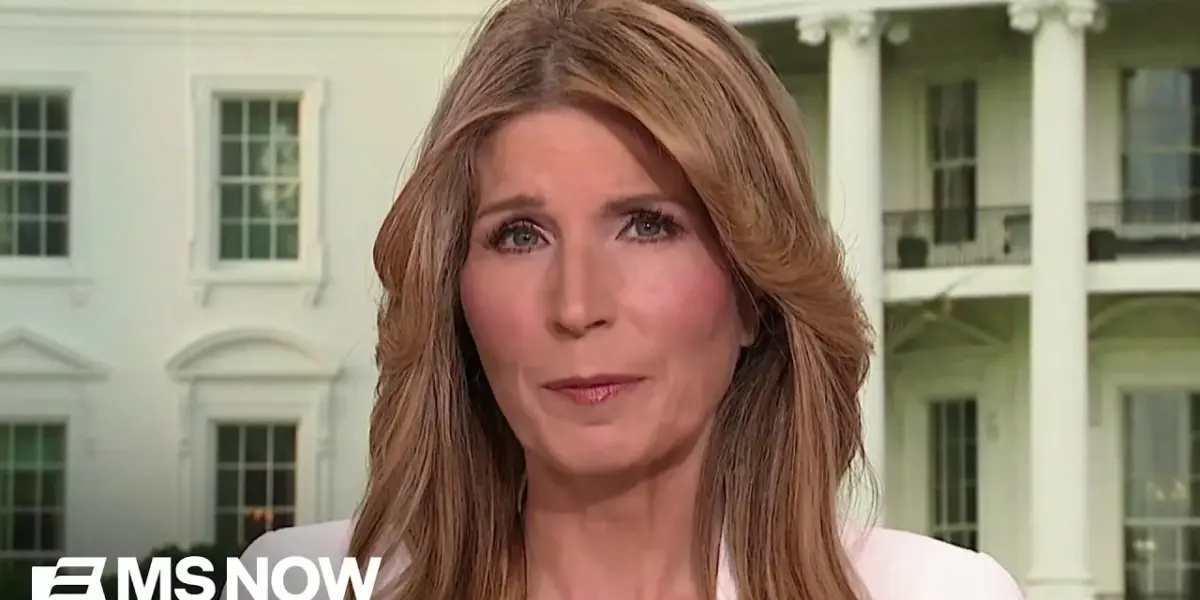
Trump Escalates Iran Tensions After Failed Peace Talks
New York – President Donald Trump is facing a difficult challenge in extricating the U.S. from a conflict with Iran, especially after recent peace talks collapsed. Following the breakdown of negotiations, Trump has chosen to increase tensions and potentially worsen the global oil crisis by ordering a blockade of the Strait of Hormuz, a vital waterway.
Blockade Order and Clarification
Just hours after marathon peace talks with Tehran ended without an agreement over the weekend, President Trump announced that the U.S. Navy would block the entire Strait of Hormuz starting Monday morning. However, U.S. Central Command later clarified that American forces would instead focus on blocking ships traveling to and from Iranian ports. This move is seen by many as a dangerous escalation of the six-week conflict, impacting both military and economic stability.
Economic Impact and Presidential Spin
The prospect of a blockade has already sent shockwaves through the global economy. The price of oil surged past $100 a barrel immediately after the blockade announcement. Despite this significant economic impact, President Trump attempted to downplay the effects in a Fox News interview. He suggested that the stock market and gas prices had not risen as much as he expected. “We have to stop this group of people from having… a nuclear weapon,” Trump stated, referencing Iran’s nuclear program and its leadership. He acknowledged that the situation might require economic sacrifices, even with a strong economy, and admitted that 13 lives had been lost during the military actions in Iran.
Uncertainty on Gas Prices
When pressed about whether gas prices would decrease before the midterm elections, President Trump offered an uncertain outlook. “I hope so. I mean, I think so. It could be the same or maybe a little bit higher, but it should be around the same,” he said. He expressed belief that the situation would not last much longer, stating that Iran was “wiped out.” This vague prediction leaves the public uncertain about future energy costs.
Considering Further Military Action
Beyond the blockade, reports indicate that President Trump is considering further military strikes against Iran. This is happening even though a two-week ceasefire is currently in place. According to The Wall Street Journal, officials familiar with the situation suggest that Trump and his advisors are exploring limited military strikes to break the stalemate in peace talks. A full-scale bombing campaign remains a less likely, but possible, option.
Lack of Clear Strategy and Public Opinion
Critics argue that President Trump’s actions lack a clear strategy to end the conflict. The war is becoming increasingly unpopular with the American public. A recent CBS News poll revealed that only 36% of Americans approve of Trump’s handling of the Iran conflict, while 64% disapprove. Furthermore, only 34% of Americans believe Trump has clearly explained his goals in Iran.
Expert Analysis of Peace Talks Failure
Michael Crowley, a diplomatic correspondent for The New York Times, explained the difficulties in the recent peace talks. He noted that a significant gap existed between U.S. and Iranian positions on key issues. These included how to manage the Strait of Hormuz and Iran’s nuclear program. “The U.S. and Iran had a huge gulf between them in terms of their public positions on the key issues,” Crowley stated. He added that Iran still possesses a significant amount of enriched uranium, posing a continued concern.
Crowley also pointed to the limited diplomatic experience of the U.S. delegation, led by J.D. Vance, who was accompanied by Jared Kushner and Steve Wyckoff. Their previous attempts to negotiate with Iran had also failed. The 21 hours spent in talks in Islamabad did not yield an agreement, with both sides appearing to deliver ultimatums rather than engaging in negotiation.
Iran’s Leverage and Future Negotiations
Tom Nichols, a professor emeritus of national security affairs at the U.S. Naval War College, suggested that the conflict might have strengthened Iran’s negotiating position. “Iran has an immense point of leverage that it lacked before,” Nichols said. He argued that Iran’s economy is closer to collapse, making its regime potentially more desperate. However, he noted that this is speculative and that Iran’s control over the Strait of Hormuz gives it significant leverage.
Military Implications of the Blockade
Retired Lieutenant General Mark Hertling commented on the military aspects of the blockade. He clarified that the initial threat to block the entire strait was an “almost impossible mission.” The revised plan to blockade Iranian ports is more feasible but still presents significant challenges. “It’s a tough mission and they will likely be there for a very long time,” Hertling stated, referring to the naval forces involved.
Hertling explained that missions like mine-clearing and missile defense are complex and resource-intensive. The U.S. Navy destroyers involved were conducting reconnaissance and ensuring missile defense capabilities, not mine-clearing as initially suggested. The ongoing military presence and potential confrontations in the Strait of Hormuz will require sustained commitment and resources.
Looking Ahead
The coming days and weeks will be critical in observing how Iran responds to the U.S. blockade and whether military confrontations occur. The possibility of renewed diplomatic talks remains, but the current escalation suggests a prolonged period of tension. The effectiveness of President Trump’s strategy in Iran, both militarily and economically, will continue to be closely watched by global markets and the American public.
Source: ‘Not easy to get yourself out of a war you started’: Nicolle on Trump's FAILED Iran peace talks (YouTube)

Related Articles


Iran Blockade Shifts Global Oil Flow to U.S.
A blockade in the Strait of Hormuz has triggered a major shift in global oil supply routes, with supertankers now heading to the U.S. Gulf Coast. Despite geopolitical tensions, markets remain resilient, and corporate profits are projected to rise.

Oil Prices Dictate Market Moves, Expert Says
Oil prices are a key indicator, dictating stock market direction as prices above $100 per barrel correlate with market downturns. Despite mixed consumer sentiment signals, the economy shows resilience with stable employment. Investors are watching earnings reports closely as estimate increases slow, while valuations become more reasonable amidst persistent inflation concerns.
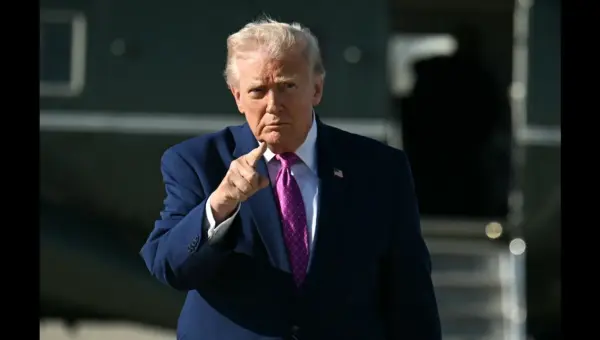
Trump’s Tariff Threat: China’s Iran Arms Deal Sparks Crisis
President Trump has warned China against supplying weapons to Iran, threatening a "staggering" 50% tariff if they do. U.S. intelligence reports suggest China may be preparing to send air defense systems, including missiles, to Iran. This development significantly heightens tensions ahead of a crucial summit between President Trump and Chinese President Xi Jinping.