Kremlin Admits Economic Crisis Amidst War Strain
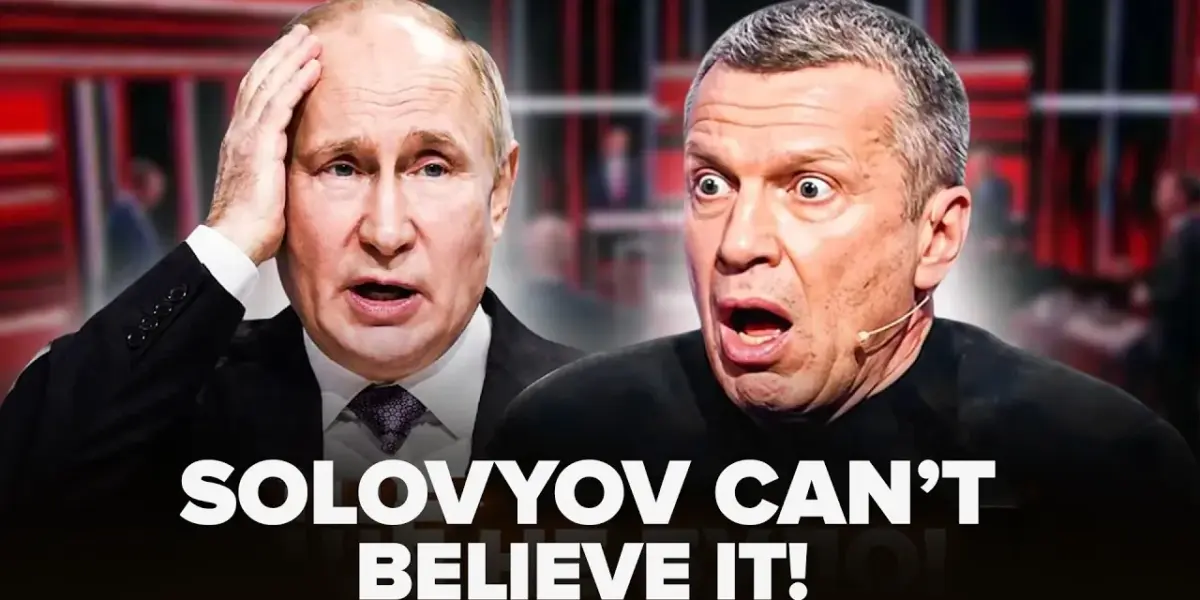
Prominent Russian propagandist Vladimir Solovyov and President Vladimir Putin have publicly acknowledged a severe economic crisis facing Russia. The war's immense cost is straining military production and leading to declining GDP. The U.S. ending sanctions exemptions for Russian oil further exacerbates the situation, while Putin appeals to oligarchs for funding.

Kremlin Admits Economic Crisis Amidst War Strain
Prominent Russian propagandist Vladimir Solovyov has publicly acknowledged a dire situation on the front lines, admitting that Russia faces a potential catastrophe. This rare admission from a state-aligned media figure signals growing unease within Russia about the war’s impact. Even President Vladimir Putin has conceded that the Russian economy is nearing a breaking point, a stark departure from previous official narratives.
Solovyov expressed concern over Russia’s ability to sustain its military efforts. He noted that while a war of attrition might have favored Russia when its economy was growing faster than the global average, this advantage has disappeared. The current economic downturn is severely impacting military production, raising serious questions about what equipment Russia will use to fight.
Economic Downturn Weakens Military Production
The admission highlights the immense cost of prolonged warfare. Statements acknowledging economic hardship and questioning the strength of the Russian army are becoming more frequent on Russian television.
The focus has shifted from boasting about military power to expressing widespread concern about the economy. Some Russians are even beginning to recognize Ukraine’s military advantages.
Adding to Russia’s economic woes, U.S. Treasury Secretary Scott Bessent confirmed that the United States will not extend sanctions exemptions for Russian oil. This decision ends Russia’s ability to profit from oil sales under these temporary measures.
Previously, on March 12th, 2026, the U.S. had lifted sanctions on oil already at sea to help stabilize global energy markets. These exemptions were set to expire on April 11th, and Bessent’s confirmation means they will not be renewed for either Russian or Iranian oil.
Sanctions Block Oil Profits, Sparking Anger
The move has angered supporters of the war in Russia. Russian blogger Alexey Levada complained that restricting oil exports could lead to a financial catastrophe, even warning of potential food rationing.
He described blocking oil trade as a disaster on a federal scale. These concerns echo Solovyov’s earlier worries about Russia’s economic sustainability.
The economic problems are not limited to commentators like Solovyov. President Putin himself has begun addressing the nation’s economic challenges.
In April 2026, he met with government officials to discuss balancing the budget, following earlier media reports of potential budget cuts. Putin stated that Russia’s economic momentum had declined for two consecutive months, with GDP contracting by 1.8% from January to February.
Putin Acknowledges Economic Decline, Deficit Widens
Putin noted that industrial production and construction have also fallen into negative territory. While acknowledging some objective factors like weather and seasonal changes, he stressed that these were not the sole reasons for the slowdown in business and investment activity.
The Kremlin released only Putin’s opening remarks from the meeting, which was held behind closed doors. This public acknowledgment signals the severity of the economic issues.
Earlier, in February 2025, Prime Minister Mikhail Mishustin had discussed the growing budget deficit with Putin and Central Bank head Elvira Nabiullina. By the end of the first quarter of 2026, Russia’s budget deficit had reached 4.6 trillion rubles, significantly exceeding the annual plan. Reports from Reuters, Vedomosti, and Bloomberg indicated that the government was considering budget sequestration, which would involve cutting about 10% of non-essential spending, potentially saving up to 2 trillion rubles.
Russian Businesses Face Declining Revenues, Loan Defaults
Meanwhile, Russian businesses are grappling with falling revenues. Mikhail Matovnikov, a senior managing director at a major bank, stated that the economy is not just slowing but contracting, leading to increased loan repayment problems.
He cited weak external demand and prolonged high interest rates as key challenges. These factors contributed to GDP growth slowing to just 1% last year.
Despite labor shortages forcing companies to raise wages, nominal revenues have declined, and costs have doubled. Matovnikov suggested that external stimulus is needed for economic growth, but neither the budget nor bank lending can provide it. The accumulated budget deficit between 2022 and 2025 reached nearly 15 trillion rubles, with an additional 4.5 trillion added in the first quarter of 2026.
Putin Appeals to Oligarchs for War Funding
Amid these economic concerns, reports emerged in late March that President Putin had appealed to Russia’s business leaders and oligarchs for large, voluntary contributions to the state budget to cover rising war-related expenses. This marks the first time the Kremlin has directly asked oligarchs to fund military operations. While framed as voluntary, experts suggest refusal could have serious consequences.
Kremlin spokesperson Dmitry Peskov confirmed discussions about the initiative but insisted it was not about directly funding the war. He claimed one participant independently proposed a significant sum as a personal decision, and many business representatives view such contributions as a duty. Sources indicate some major businessmen have already agreed to support the initiative.
War Will Continue Despite Economic Strain
At the same meeting, Putin reportedly made it clear that Russia has no intention of stopping military operations. He stated the campaign would continue until full control over the Donetsk and Luhansk regions is achieved. He also cited Ukraine’s refusal to withdraw troops from Donbas as a reason for the war’s continuation.
This increasing financial pressure on businesses suggests mounting economic difficulties for Russia due to the prolonged war and sanctions. Despite occasional signs of recovery, the Russian economy has been severely damaged since 2022. Putin appears willing to expend Russia’s remaining resources to continue the conflict, potentially pushing the Russian population toward poverty rather than reducing military spending.
Source: 🔥What a meltdown! Solovyov lost it: scandal reached Kremlin. This level of chaos has never happened (YouTube)

Related Articles

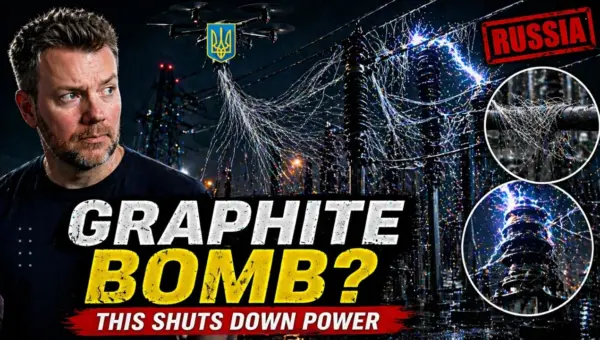
Ukraine Uses ‘Graphite Bombs’ to Blackout Russia
Russia claims Ukraine is using 'graphite bombs' to disable its power grid. These weapons disperse conductive fibers, causing short circuits and blackouts without physical destruction. Historically used by the US and NATO, their potential deployment on low-cost drones by Ukraine signifies a major strategic shift, democratizing a powerful disruption capability.
Iran Readies ‘New Cards’ Amidst US Sanctions Standoff
Iran is signaling a readiness to escalate its conflict with the U.S. and Israel, agreeing to talks in Pakistan amid demands for sanctions relief. Meanwhile, U.S. President Trump faces scrutiny over his narrative of the conflict, while geopolitical rivals China and Russia appear to benefit from the shifting global dynamics. Ukraine continues its push for financial aid and stronger sanctions against Russia.
Iran Deal Talks Stall Amid Sanctions Debate
Peace talks with Iran have stalled indefinitely, raising concerns about regional stability and economic impacts. Meanwhile, a nominee for the Federal Reserve faces scrutiny over political influence, and a budget debate highlights differing spending priorities in Washington, particularly regarding border security versus economic relief.