Iran Deal Talks Stall Amid Sanctions Debate
Peace talks with Iran have stalled indefinitely, raising concerns about regional stability and economic impacts. Meanwhile, a nominee for the Federal Reserve faces scrutiny over political influence, and a budget debate highlights differing spending priorities in Washington, particularly regarding border security versus economic relief.

Iran Deal Talks Stall Amid Sanctions Debate
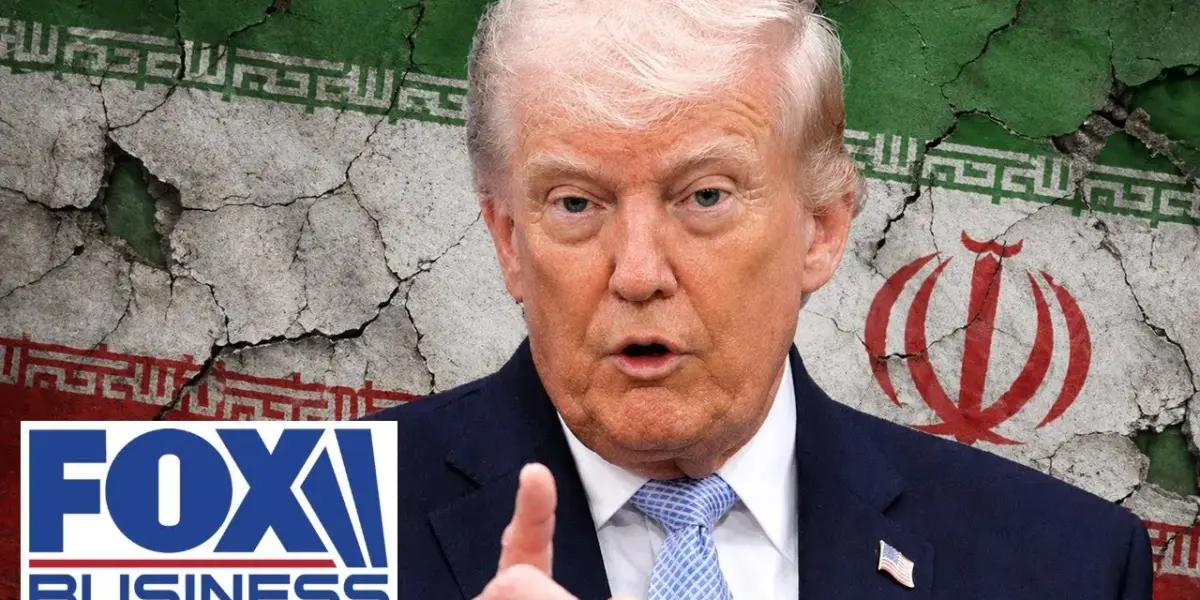
Peace talks aimed at resolving issues with Iran appear to be stalled indefinitely, leaving hopes for a swift end to regional conflict and economic disruption uncertain. Senator Rand Paul highlighted the complexity of diplomacy, suggesting that sanctions relief should be tied to behavioral changes by Iran.
Paul argued that simply imposing more sanctions and threats may not be the most effective path forward. True diplomacy, he explained, involves unwinding existing sanctions and threats. Many experts believe that offering relief from sanctions in exchange for specific actions from Iran is a more valuable approach.
Hundreds of sanctions are currently in place. To reach any diplomatic agreement, significant concessions would likely be needed.
For example, if the goal is for Iran to give up its enriched uranium program, a major step, something must be offered in return. This could include freeing up frozen assets or easing economic blockades.
However, uncertainty remains about who exactly is leading the negotiations for Iran. It is unclear if the representatives are hardliners or moderates, and whether they can truly commit their country to any agreement. This ambiguity adds another layer of difficulty to the ongoing discussions.
Federal Reserve Nominee Faces Scrutiny
Separately, Kevin Warsh, a nominee for a position at the Federal Reserve, faced tough questions during his confirmation hearings. Senator Elizabeth Warren voiced strong concerns about the potential for a President to exert undue influence over the Fed.
Warren suggested that a Fed under political control could be used to benefit the President, his family, and his associates in the financial industry. She stated that such a scenario would create more opportunities for corruption. This highlights a broader debate about the independence of the Federal Reserve.
Senator Paul defended Warsh, stating that he possesses significant career experience and credentials. He argued that Warsh’s past actions do not suggest he is beholden to any politician or seeks low interest rates regardless of economic conditions. Judging nominees based on their prior records is crucial, Paul noted.
Warsh has served as a Governor and worked in private practice, making numerous public statements. Based on his history, Paul does not see evidence that Warsh would be overly influenced by any single politician. Time will ultimately show how Warsh performs if confirmed.
Budget Debate Highlights Spending Priorities
A separate debate is unfolding regarding the U.S. budget, with Senate Budget Committee Chair Lindsey Graham proposing a new budget resolution. This plan aims to fund Immigration and Customs Enforcement (ICE) and the Border Patrol through the remainder of President Trump’s term.
The proposal has already drawn sharp criticism from Senate Minority Leader Chuck Schumer. Schumer argued that Americans are currently seeking economic relief, such as lower prices for gas, groceries, and electricity. He believes Republicans are prioritizing border security funding over these immediate public needs.
Schumer criticized the $140 billion allocated for ICE and Border Patrol, stating it comes with no reforms, no accountability, and no conditions. He suggested that Senate Republicans are aligning with President Trump and Stephen Miller’s agenda instead of addressing the needs of American families. This points to a deep division in spending priorities.
Senator Paul expressed support for the concept of having a budget, calling budgets important. He noted that a major problem in Washington is the failure to adhere to these budgets. Last year’s budget, for example, projected $4.8 trillion in spending, but actual expenditures reached $5.9 trillion.
Paul finds the numbers in proposed budgets often sound reasonable, with $4.8 trillion being preferable to $5.9 trillion. However, the lack of adherence makes these documents feel like a charade. He questioned why budget deficits are not a greater concern for lawmakers, as spending consistently exceeds revenue.
The core issue, according to Paul, is not the intention or the numbers within the budget documents themselves. The problem lies in the consistent failure to follow through on these plans. He concluded that budgets are not laws, leading to a situation where the documents are essentially meaningless.
Source: LAST SECOND CHAOS: White House scrambles as Iran deal COLLAPSES (YouTube)

Related Articles

Middle East Tensions Spike Amid Ship Attacks and Ceasefire Extension
Tensions flared in the Middle East as at least three ships were attacked in the Strait of Hormuz, despite an extended ceasefire with Iran. Meanwhile, a nominee for the Federal Reserve faced intense scrutiny over financial disclosures and independence from political pressure. Air quality reports also revealed unhealthy pollution levels affecting millions across the U.S.


Iran Attacks Ships, US Extends Ceasefire Amid Tensions
Iran has fired on ships in the Strait of Hormuz, leading to an extended US ceasefire and continued naval blockade. Meanwhile, Virginia voters approved a new congressional map favoring Democrats, and Senate Republicans are moving forward with a Homeland Security funding plan. The Pentagon also announced a $1.5 trillion defense investment.


Middle East Tensions Flare Amid Ceasefire Extension
President Trump has extended a ceasefire with Iran indefinitely, but tensions remain high as Iran reportedly fired on cargo ships in the Strait of Hormuz. Meanwhile, a Federal Reserve nominee faces scrutiny on Capitol Hill, and severe weather and wildfires continue to impact parts of the U.S.