Iran Demands $100 Billion in Frozen Assets
Iran is demanding the release of an estimated $100 billion in state-owned assets frozen globally, a key point expected in potential US-Iran peace talks. These funds, held in countries like China, India, Iraq, and Qatar, are restricted by sanctions and court rulings. A similar asset release occurred in 2015 as part of the nuclear deal.

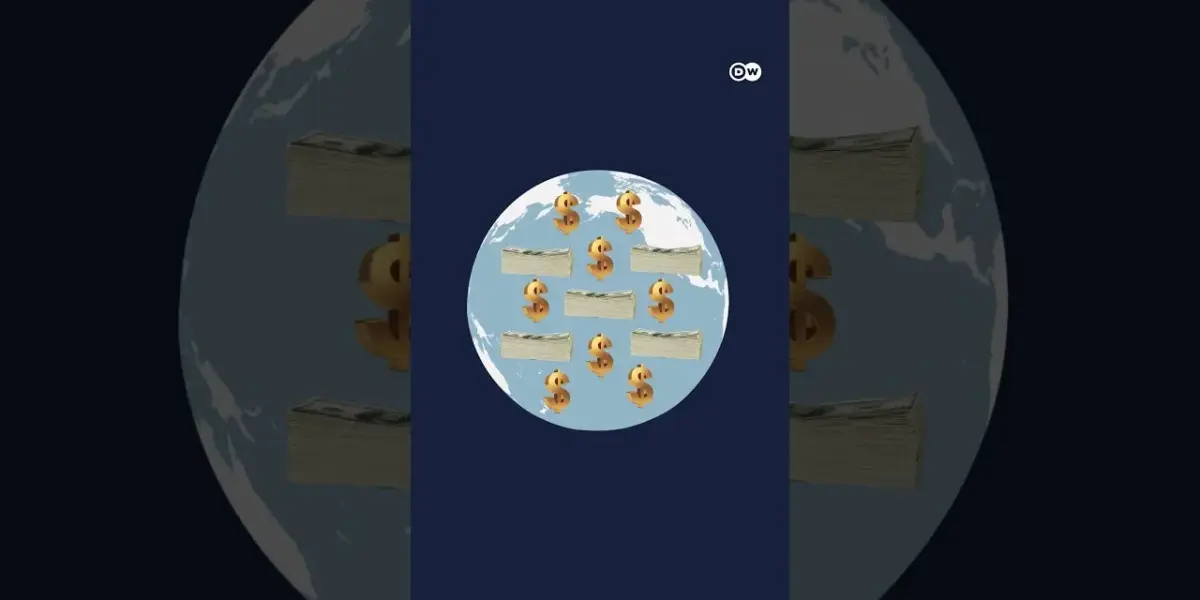
Iran Seeks Access to Billions in Frozen Global Assets
Iran is pushing for the release of an estimated $100 billion in state-owned funds and property frozen abroad. This demand is expected to be a central issue in any future ceasefire or peace talks between Iran and the United States. The Iranian government has stated that these assets are crucial for its economy and well-being.
These frozen funds are not easily accessible due to a complex web of international sanctions, court decisions, and various financial restrictions. The exact amount remains unconfirmed, with estimates suggesting the total could be even higher than $100 billion. This lack of transparency makes it difficult to pinpoint the precise value of Iran’s blocked wealth.
Global Distribution of Iran’s Blocked Wealth
Iran’s frozen assets are spread across numerous countries worldwide. Reports from Iranian sources indicate that China, India, Iraq, and Qatar hold the most significant portions of these funds. Smaller amounts are reportedly held in Turkey, the United States, and various European nations.
The distribution reflects Iran’s complex international financial relationships and trade partnerships. The holdings in countries like China and India are likely tied to oil sales and other economic exchanges that have been impacted by sanctions. The presence of assets in the US and Europe, though smaller, carries significant symbolic and financial weight.
Historical Precedents for Asset Release
The prospect of Iran regaining access to these funds is not without historical precedent. In 2015, as part of the Joint Comprehensive Plan of Action (JCPOA), also known as the Iran nuclear deal, the Obama administration agreed to unblock several hundred million dollars in Iranian assets. This move was accompanied by a payment of $1.3 billion in interest to Iran.
This past agreement offers a potential model for future negotiations. The release of funds under the JCPOA was a significant concession aimed at facilitating the nuclear accord. It demonstrated that diplomatic breakthroughs could lead to the thawing of frozen financial resources, providing a roadmap for current discussions.
The Significance of Frozen Assets in Negotiations
For Iran, accessing these frozen assets is more than just a financial matter; it is a matter of national sovereignty and economic stability. The government argues that these funds rightfully belong to the Iranian people and are being unfairly withheld. The potential release could provide a much-needed boost to Iran’s struggling economy, which has been heavily impacted by years of sanctions.
The United States, on the other hand, faces domestic and international pressure regarding the use of sanctions. Any decision to release Iranian assets would likely involve careful consideration of security concerns and the terms of any potential agreement. The inclusion of asset release in negotiations signals a willingness on both sides to address core grievances and find common ground.
Looking Ahead: What’s Next for Iran’s Funds
As diplomatic efforts continue, the question of Iran’s frozen assets will remain a critical point of discussion. The outcome of these negotiations could have far-reaching implications for Iran’s economy and its relationships with global powers. Future talks will likely focus on the specific amounts to be released, the conditions attached, and the mechanisms for ensuring transparency and accountability.
The international community will be closely watching these developments. The potential unblocking of these funds could signal a shift in geopolitical dynamics and a step towards de-escalation. The exact timeline and terms of any asset release will depend on the progress of ongoing diplomatic dialogues and the broader political climate.
Source: Iran’s frozen assets problem | DW News (YouTube)

Related Articles

Trump Declares Strait of Hormuz Open, Iran Says Blockade Continues
President Donald Trump announced the Strait of Hormuz is "fully open" following a reported Israel-Lebanon ceasefire. Iran confirmed the strait is "completely open" but stated the U.S. blockade will remain in effect. This mixed messaging highlights ongoing regional tensions and their impact on global trade.

Trump Claims Iran Will Keep Strait of Hormuz Open
President Trump announced that Iran has agreed to keep the Strait of Hormuz open for shipping, linking it to a ceasefire in Lebanon. While presented as a major breakthrough, experts urge caution due to a lack of official confirmation from Iran and potential conditions attached to the agreement.
Iran Opens Key Oil Route, Stocks Jump Amid Ceasefire Hopes
Iran has reopened the Strait of Hormuz to commercial shipping, leading to a drop in oil prices and a rally in the stock market. This move comes as part of a fragile ceasefire agreement between Lebanon and Israel, with the U.S. heavily involved in brokering peace talks. The situation remains complex, with ongoing discussions about Iran's nuclear program and Hezbollah's future role.